A New Era on Oxford Street: London's Famous Street Now Belongs to Pedestrians
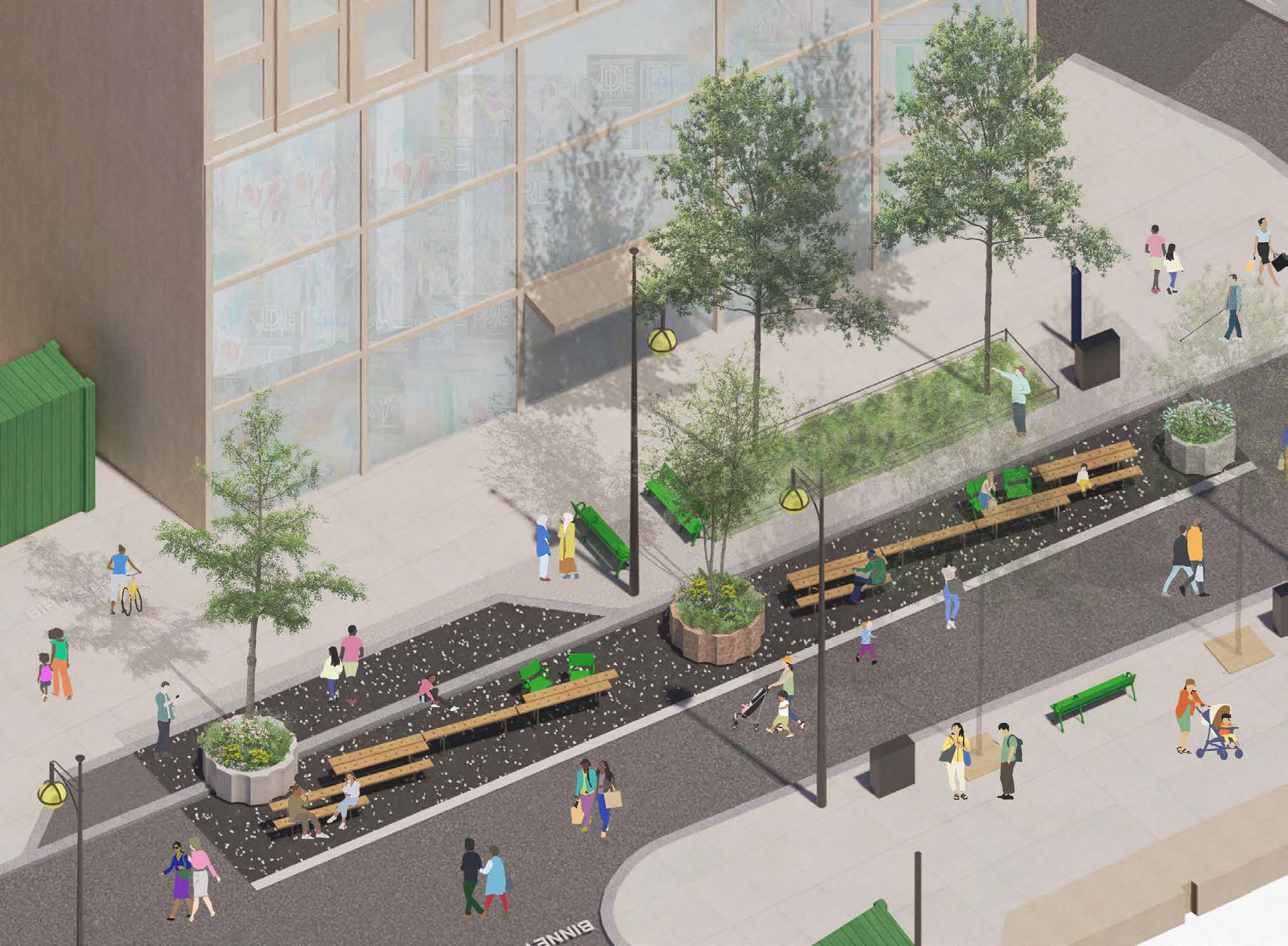
An approximately 1-kilometer section of London's most famous shopping street, Oxford Street, was permanently closed to vehicle traffic as of yesterday. The project, championed by Mayor Sadiq Khan for years, is receiving support from retailers and pedestrian rights advocates.
This story was originally published in Turkish. Read in Turkish
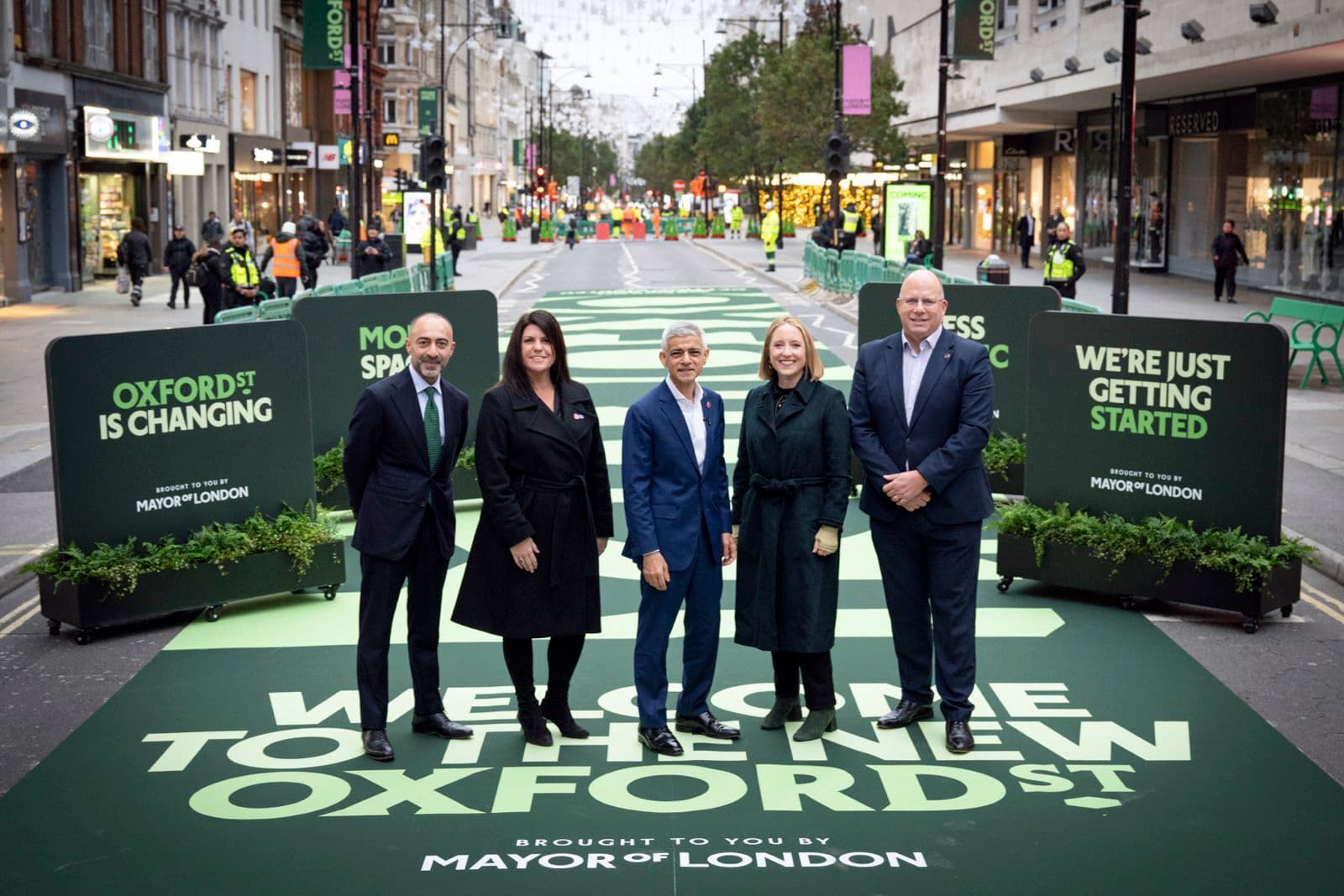
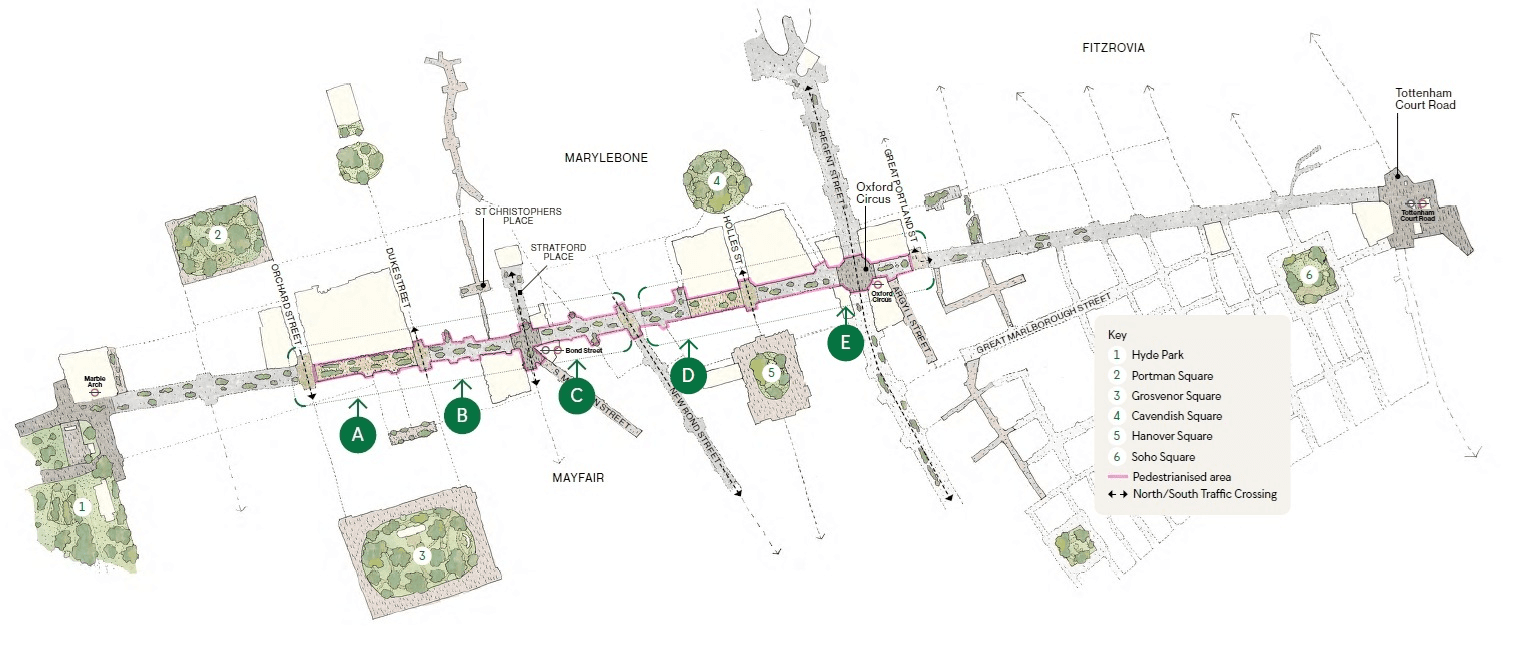
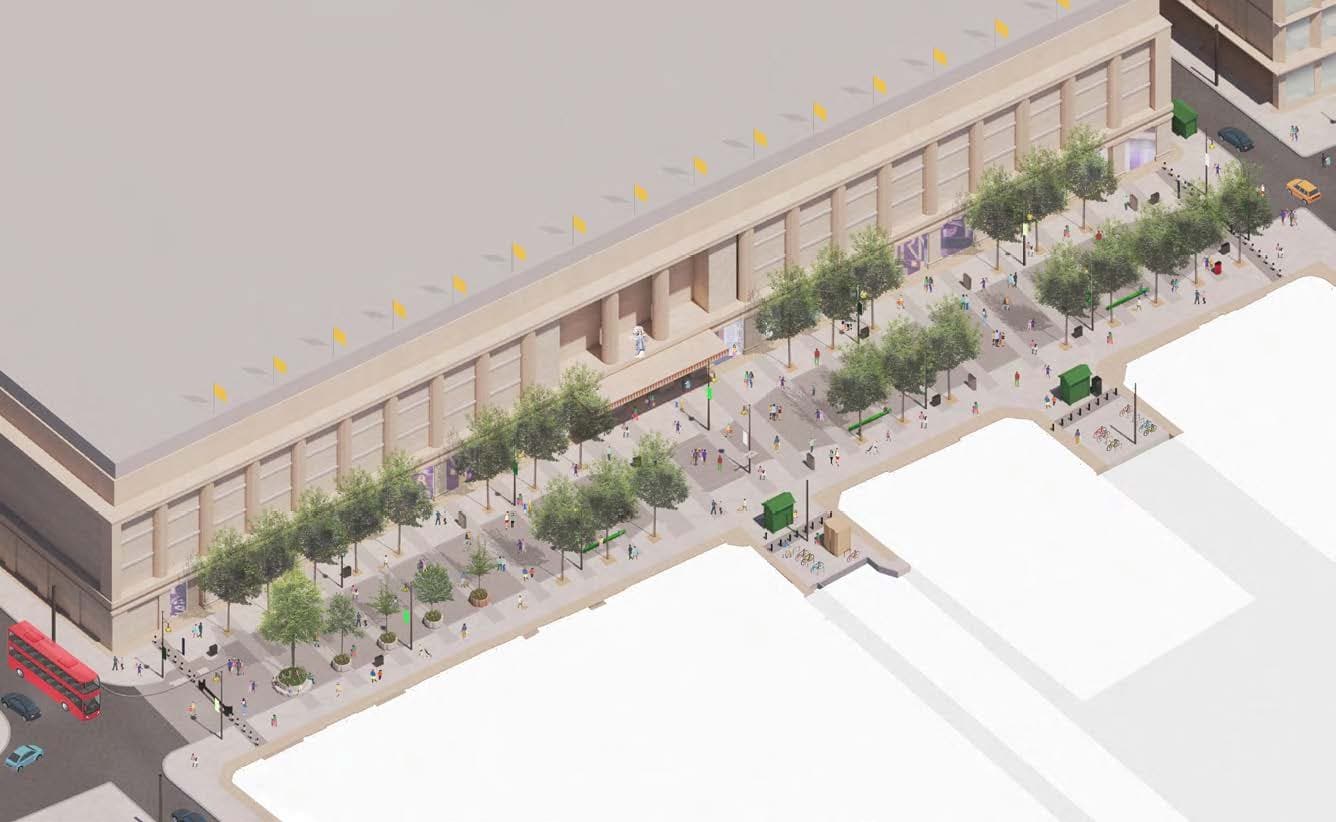
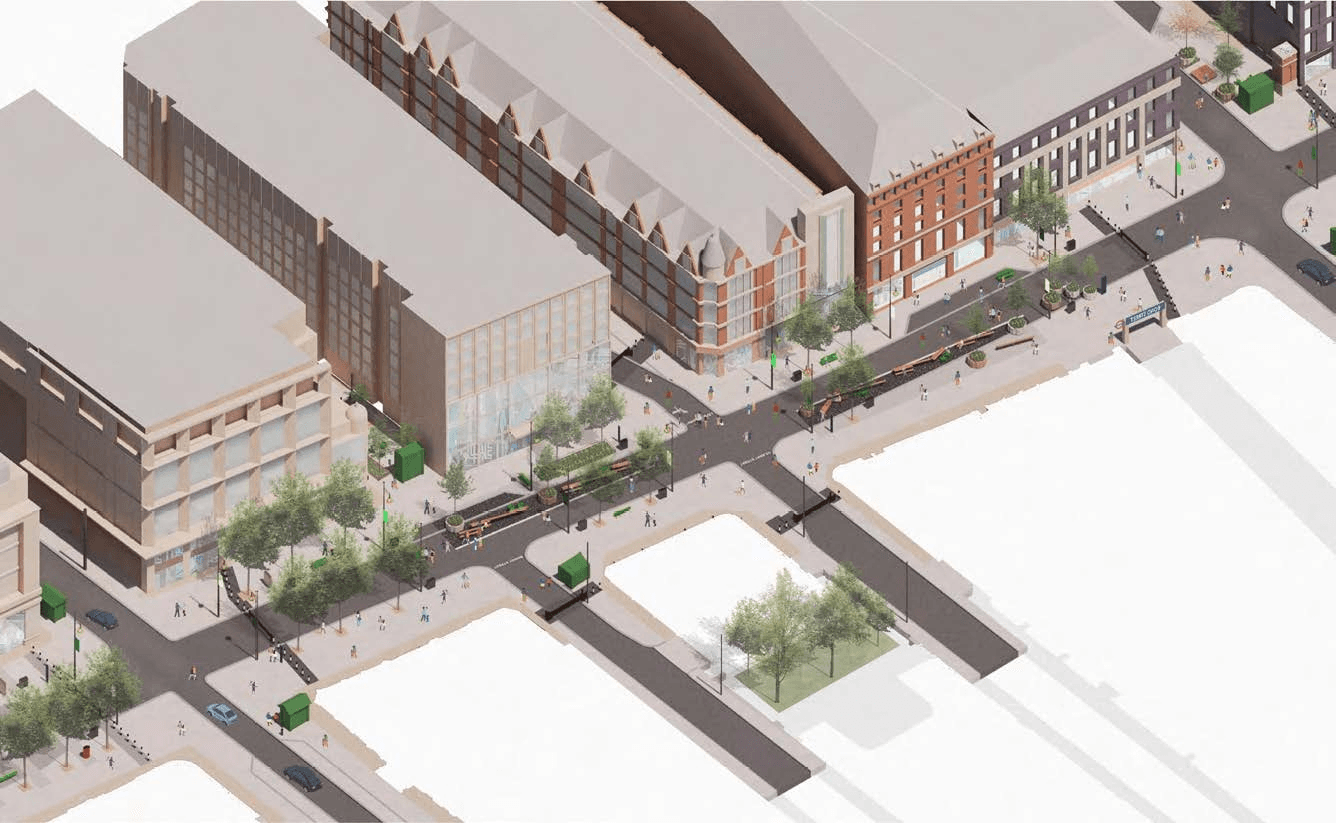
Starting from the morning of October 26, Oxford Street, one of Europe's busiest shopping districts, had only pedestrians instead of red double-decker buses and black cabs. The approximately one-kilometer section between Orchard Street and Great Portland Street was closed to traffic on Monday, October 26.
Mayor Sadiq Khan, who attended the opening, described the day as a "truly historic moment" for the capital and argued that removing the traffic would bring investment, retailers, and visitors back to the West End.
The new regulations apply to more than just cars. According to the rules announced by TfL (Transport for London), private vehicles, buses, taxis, private hire vehicles, bicycles, scooters, and pedicabs will not be allowed to enter the pedestrian zone; the ban will be in effect 24 hours a day, seven days a week.
However, there is no solution for cyclists yet. According to TfL, regulations for cyclists will be made in the future, but this task will be undertaken by Westminster City Council, not the OSDC (Oxford Street Development Corporation).
Pollution, Safety, and Falling Sales are the Causes
There are both environmental and economic reasons behind the project. According to the pedestrian rights charity Living Streets, Oxford Street has seen the highest concentration of nitrogen dioxide pollution recorded in the world and is a risky area in terms of traffic accidents.
The street is also going through difficult times economically. In recent years, Oxford Street has faced serious challenges due to the pandemic, the rise of online shopping, and fundamental changes in retail habits.
The trial conducted last year, however, revealed promising results. When the street was closed to traffic for a day in September 2025, pedestrian traffic increased by 45 percent; 80 percent of visitors stated that they had a positive experience and felt safe, while 77 percent said their perception of Oxford Street had improved.
The cost of the first phase between Great Portland Street and Orchard Street was announced as £150 million.
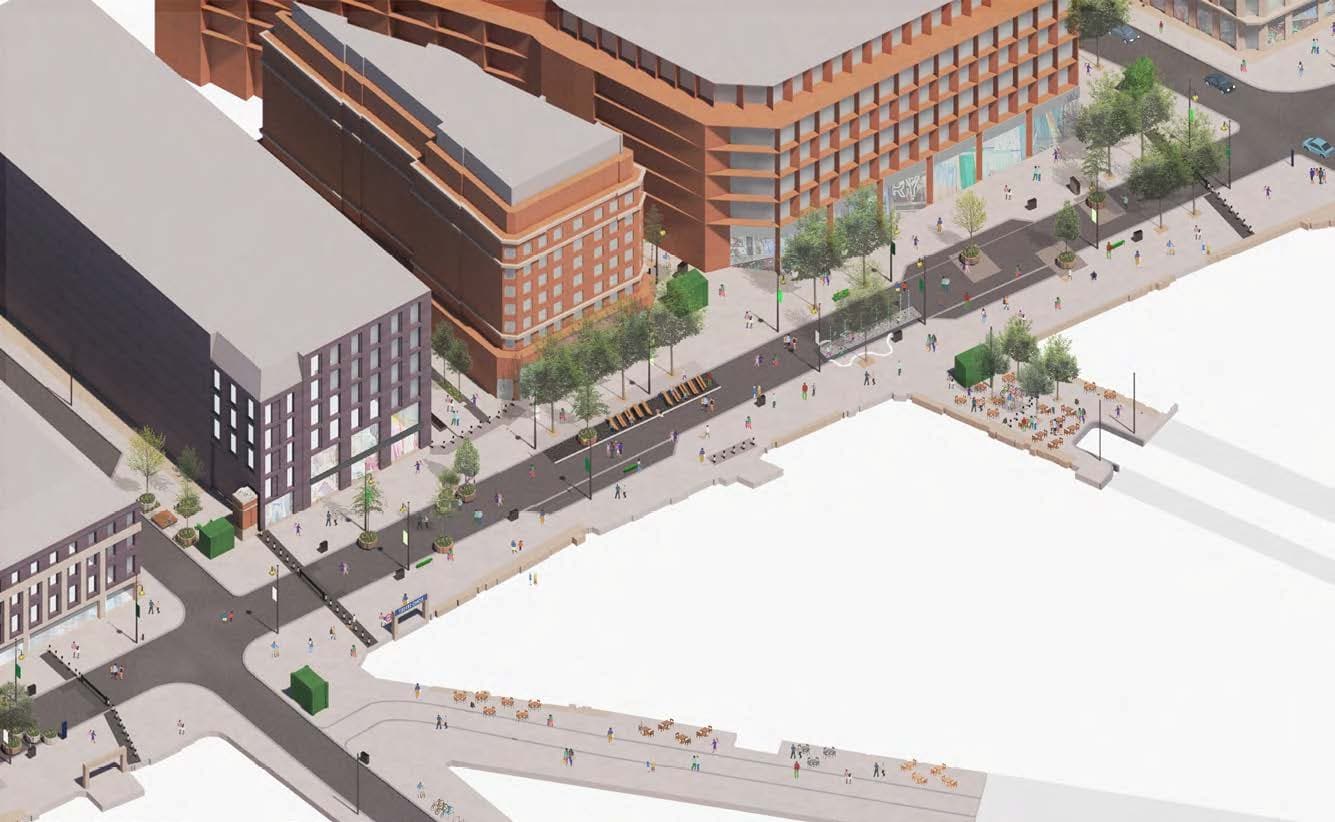
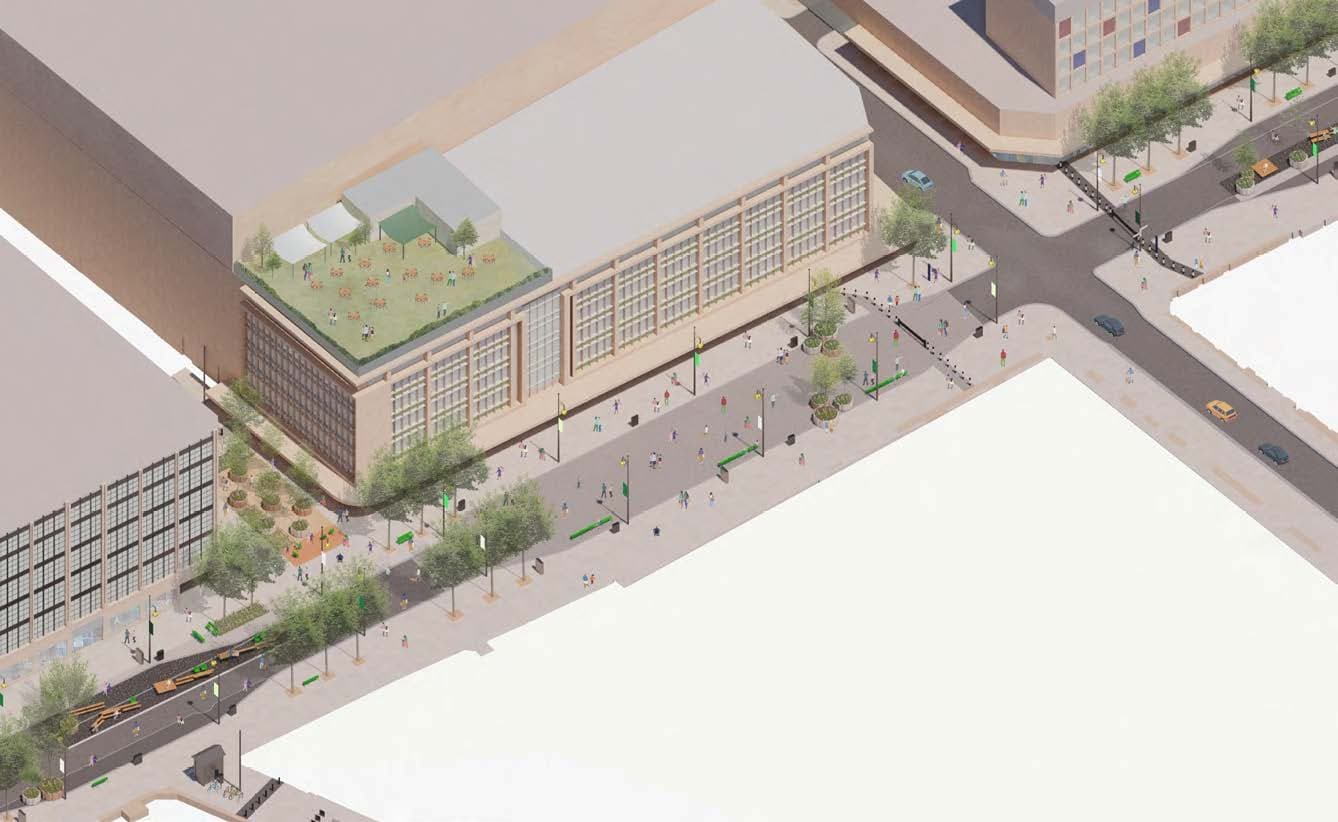
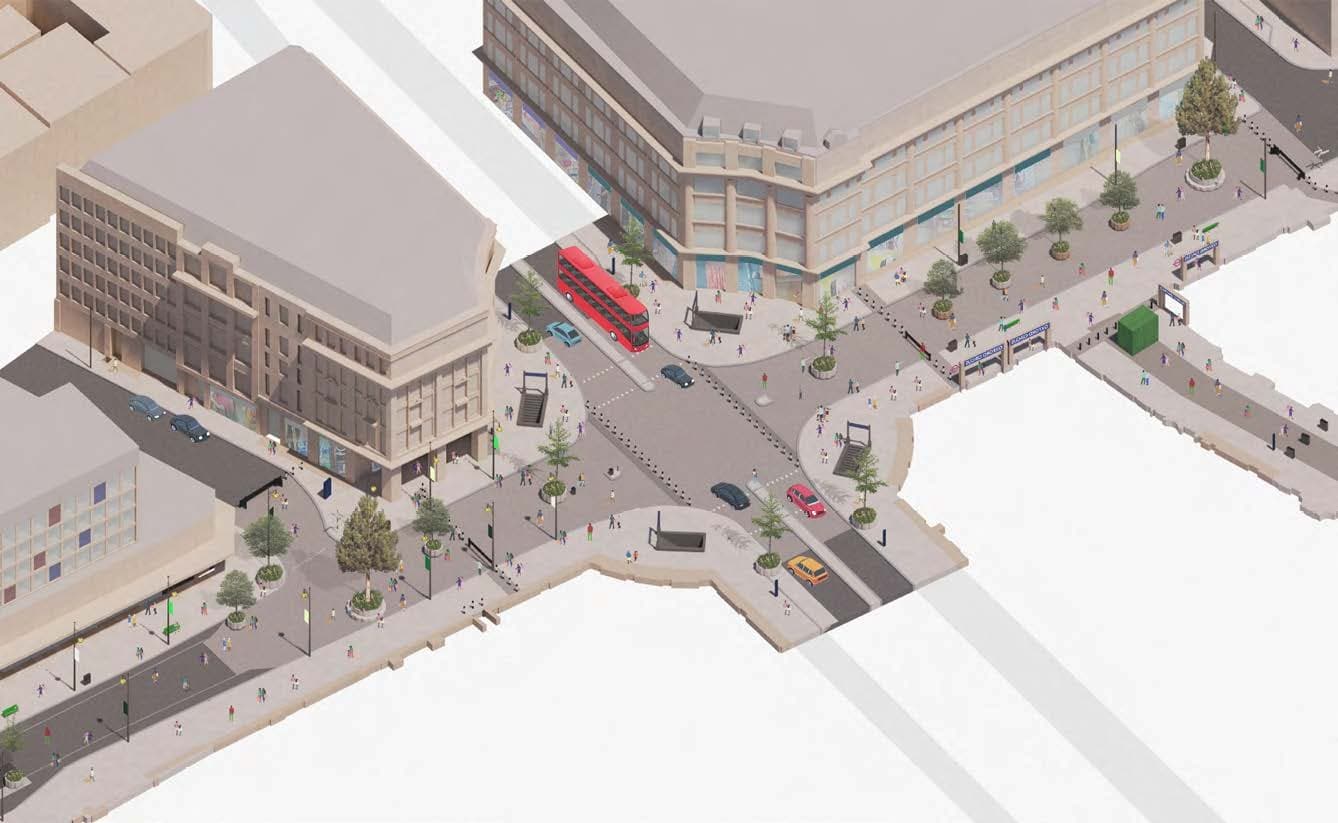
Oxford Street Development Corporation and the Pedestrianization Plan
The idea of pedestrianizing Oxford Street is not new. The roots of the debate date back to the early 1960s, but the idea was officially promised for the first time in Sadiq Khan's 2016 election manifesto. A public consultation was held a year later, but the plans were shelved when Westminster City Council, which governs the area, withdrew its support; the project came back to the agenda in 2024.
Khan took a different approach this time. To overcome the council's hurdles, he established a development corporation that could take control of the area and assume planning powers; this was an unprecedented step in a semi-residential area. The Oxford Street Development Corporation (OSDC) was established on January 1, 2026.
Public support also strengthened the project. In the 2025 consultation, approximately 70 percent of the participants supported the revitalization plans, while two-thirds specifically supported pedestrianization. Following two rounds of consultation, Khan gave the final approval to the plans on February 26. The implementation, initially planned for September 2026, was later postponed to October 26.
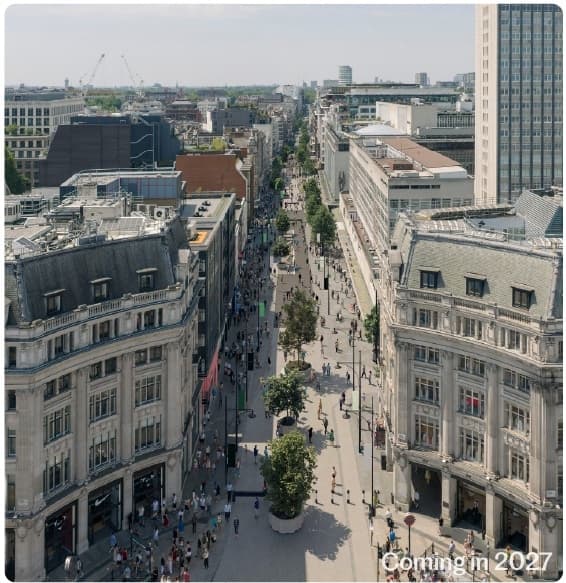
This is Just the First Step
Living Streets, which has been campaigning for the pedestrianization of Oxford Street for over a decade, welcomed the decision. The charity wants the implementation to be expanded to the rest of London as well. Cat Kenyon, head of the central London group, reminded that the total length of pedestrian streets in European cities like Paris and Barcelona is more than twice that of London.
For now, only a section of the street has been opened to pedestrians. In Khan's words, the pedestrianized section covers almost half of the street. According to OSDC's statement to Londonist, the pedestrian zone may or may not be expanded in the future.
In the coming weeks, all eyes will be on the increase in pedestrian numbers and the traffic in surrounding streets during the Christmas shopping season.
Let's wish Londoners the best of luck with it :)
read on
Related stories
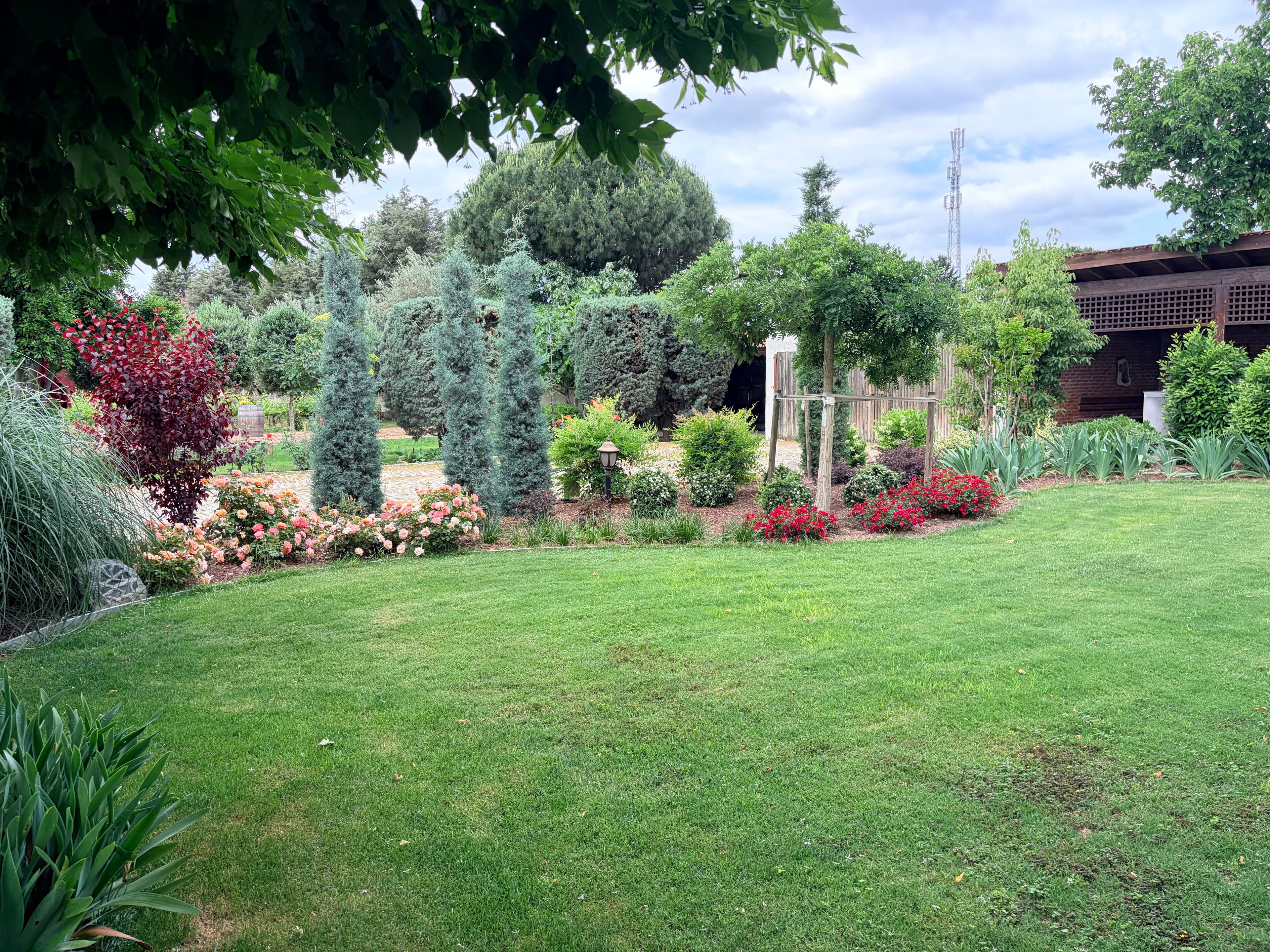
Osmanbey Nursery & Landscape: "A Solution Not Tested in the Field is No Solution at All"
We spoke with Ayşe Nur Sarıkaya Bulan and Bülent Kurtuluş Bulan, owners of Osmanbey Nursery & Landscape, about field realities, ongoing maintenance challenges, and selecting the right materials.
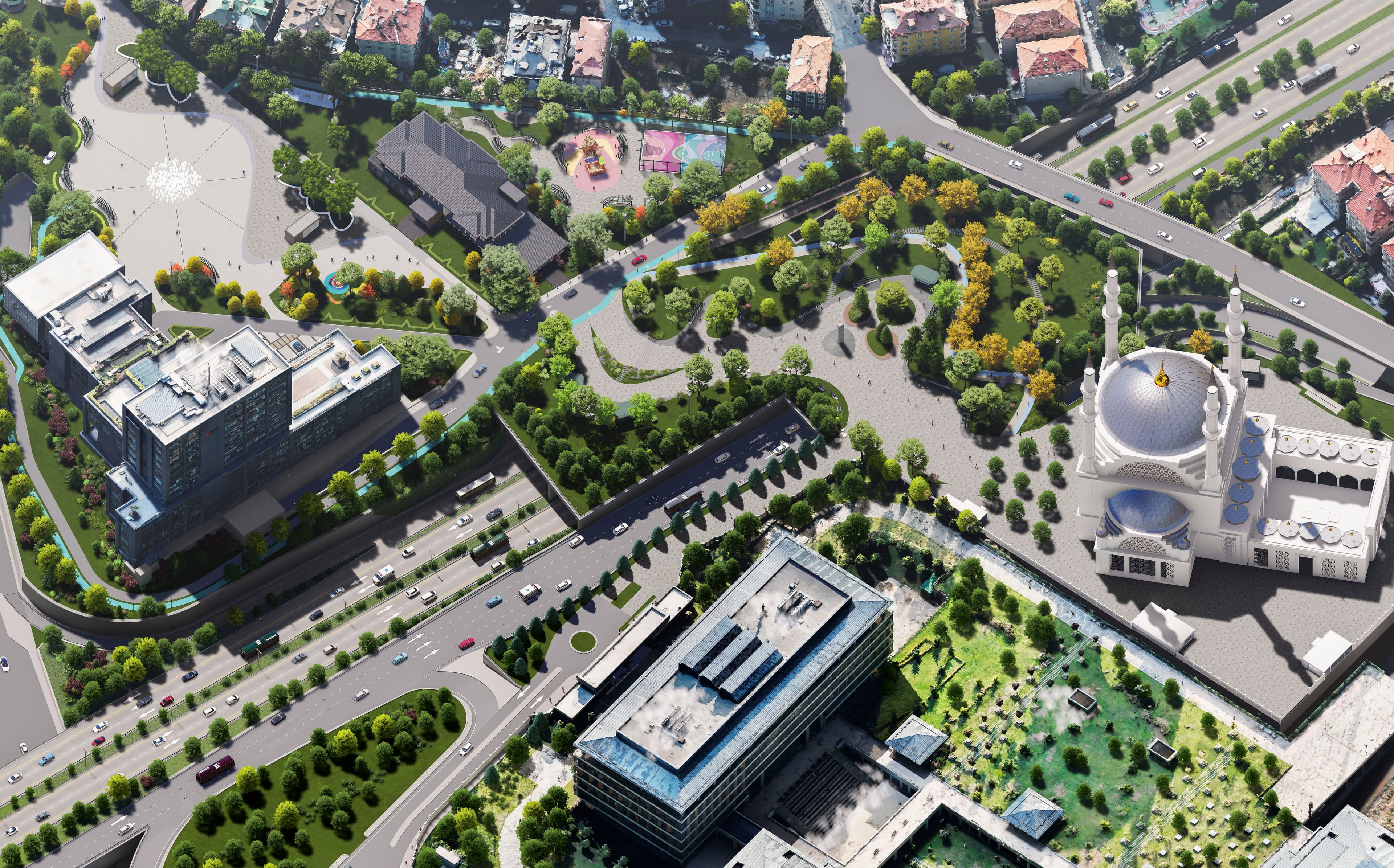
Ümraniye Overpass Square by ABT Design Office & Doku Landscape
Reconnecting divided urban spaces: discover how ABT Design Office and Doku Lanscape transformed Ümraniye Overpass Square with 14,623 m² of green infrastructure in peyzajMAG!
Osmanbey Nursery & Landscape: "A solution not tested in the field is no solution at all"
We spoke with Ayşe Nur Sarıkaya Bulan and Bülent Kurtuluş Bulan, owners of Osmanbey Nursery & Landscape, about field realities, ongoing maintenance challenges, and selecting the right materials. Details in peyzajMAG!
Hear about the next issue first
Leave your email and we will write when there is something new. We use it for nothing else.