The Red Pearl of Gölbaşı, "Love Flower": A 4,000-Year-Old Hittite Heritage Uncovered!
An extraordinary discovery that will thrill botany and landscape enthusiasts, connecting the roots of nature and history, has come from Ankara. New archaeological findings announced by the Minister of Culture and Tourism, have shed light on the thousands-of-years-old mysterious past of the endemic "Love Flower" (Centaurea tchihatcheffii) growing in Ankara's Gölbaşı district.
This story was originally published in Turkish. Read in Turkish
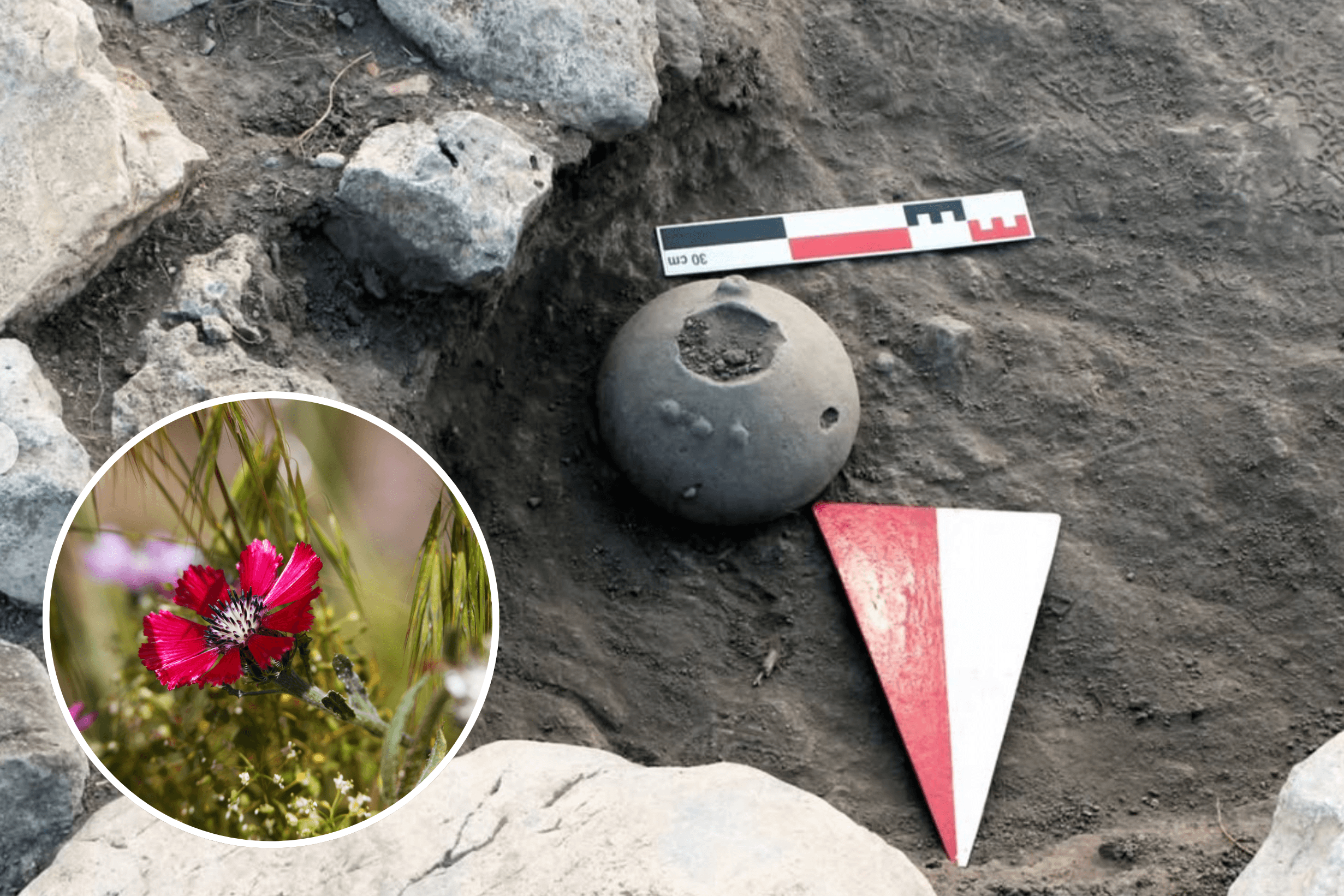
A Botanical Treasure Hidden in Hittite Vases
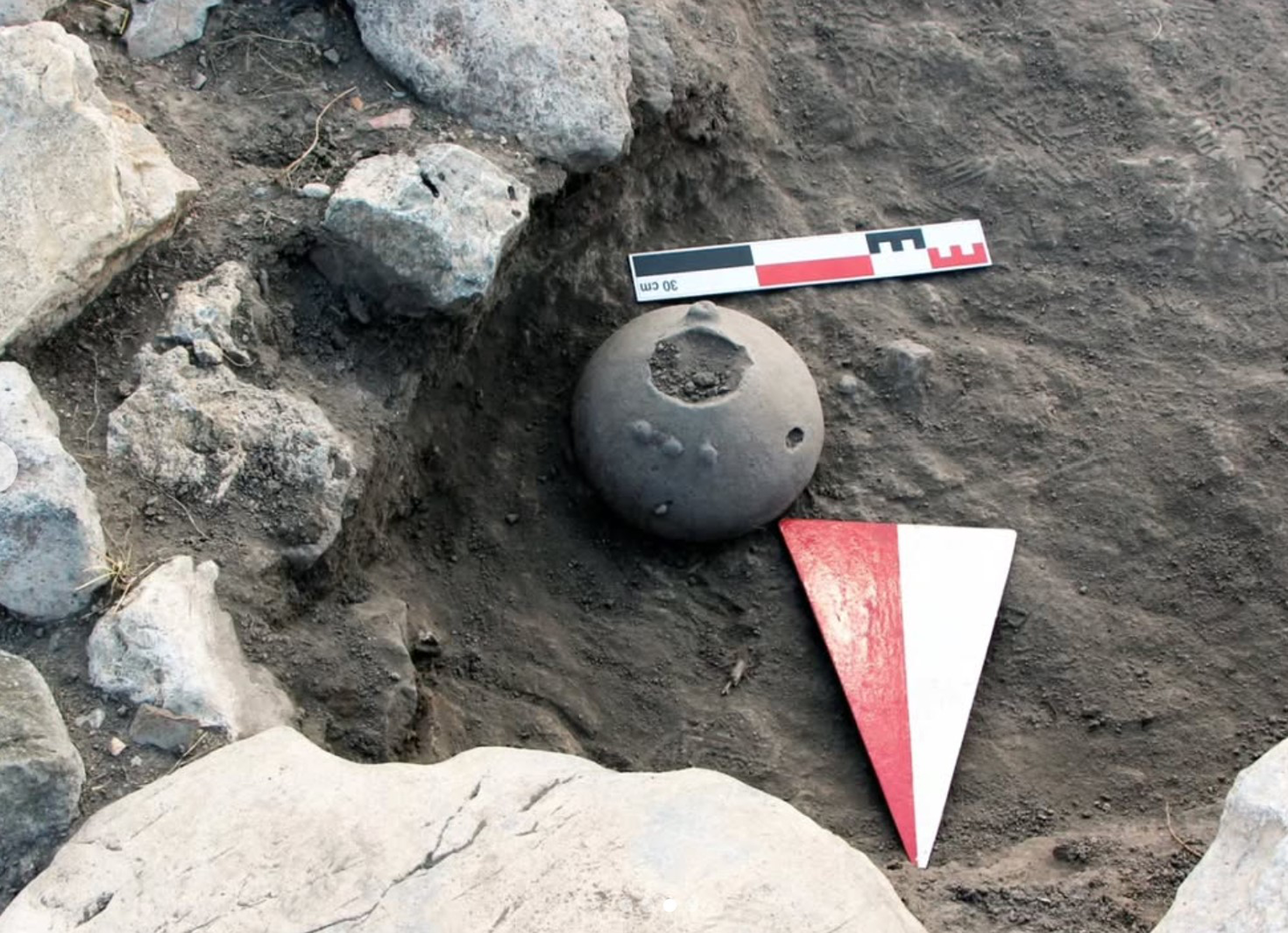
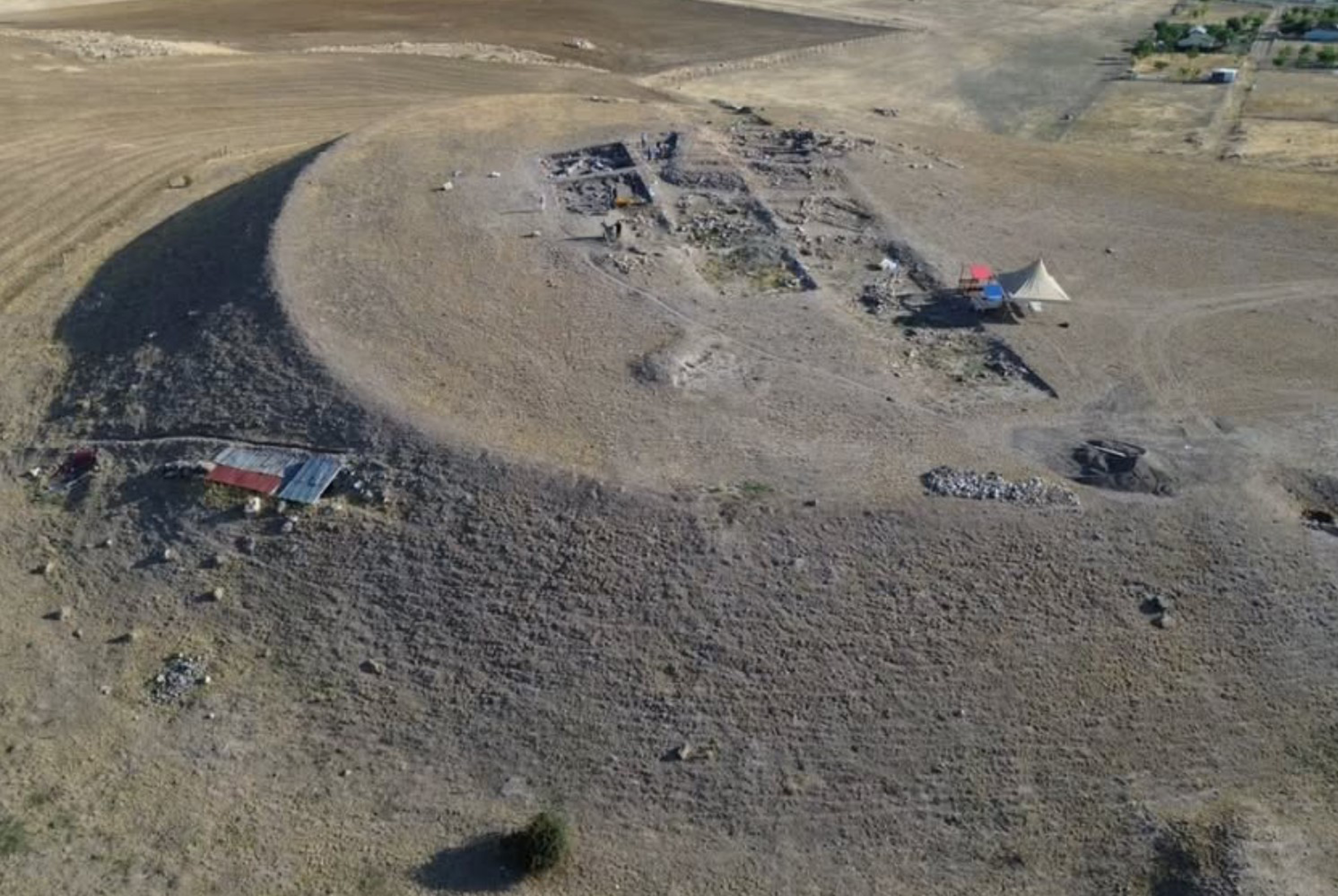
In the excavations of the Hatti and Hittite city of Külhöyük, conducted on behalf of Ankara University under the direction of Assoc. Prof. Dr. Derya Yılmaz Tekin, a discovery that astonished the scientific world was uncovered. Inside a 4,000-year-old Hittite vessel, the oldest seed remains belonging to the "Love Flower"—which today grows exclusively in Gölbaşı—were identified. This exciting discovery has scientifically proven that the presence of this unique endemic species on Anatolian soil dates back thousands of years to the Hittite civilization.
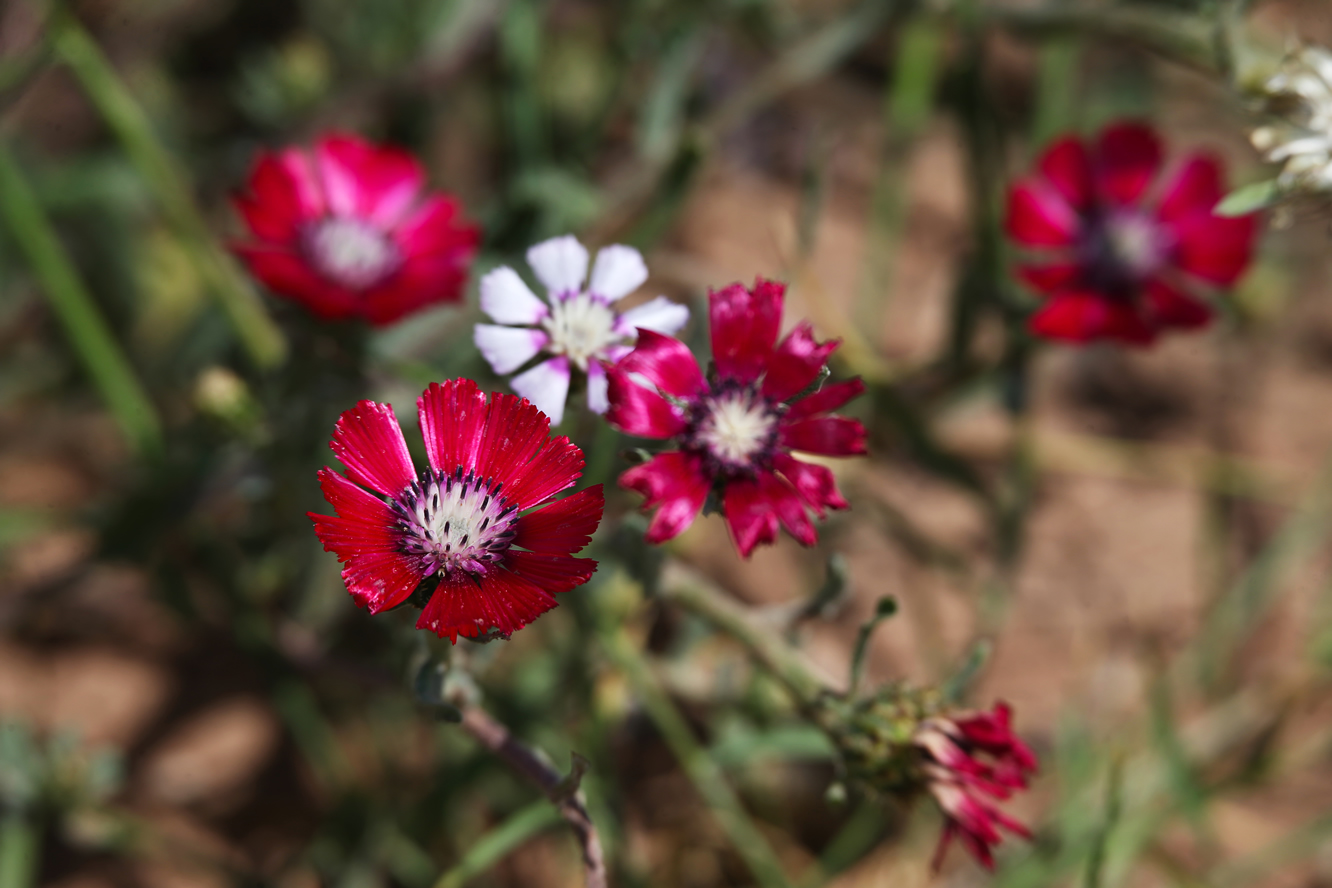
The Delicate Beauty of Landscape and Nature: Love Flower
Also known in scientific literature and among the public by names such as Bride's Button (Gelin Düğmesi), Cornflower (Peygamber Çiçeği), and Iridescent Flower (Yanardöner Çiçeği), the Love Flower is an herbaceous plant with exceptionally high aesthetic value in landscape design, owing to its vibrant red-purple hues.
Kept under strict protection due to facing the threat of extinction and granted a geographical indication registration in 2019, this rare species stands as one of the most important symbols of our ecological heritage. These seeds handed down from the Hattians and Hittites to the present day demonstrate once again how special the plant's genetic memory and the region's microclimate truly are.
Where Can We See This 4,000-Year-Old Heritage Today?
Its historical value multiplied by these new findings, the Love Flower continues to hold on to life today in special conservation areas around Lake Mogan. For nature enthusiasts wishing to observe this ancient flower in its natural habitat, there are 5 known main population sites:
Aquapark Area (Aquapark Bölgesi)
Küçük Aşıklar Hill (Küçük Aşıklar Tepesi)
Süleyman Demirel Forest (Süleyman Demirel Ormanı)
Opera Ballet Area (Opera Bale Alanı)
41 Evler
For landscape architects, botanists, and nature lovers, the 4,000-year journey of the Love Flower reminds us once again how vital it is to protect our endemic plant species and keep local flora alive. Extending from the ancient soil of Külhöyük to today's landscape areas, this unique plant stands as the most living proof of how Anatolia is a cradle of civilization rich not only in its history, but also in its nature.

read on
Related stories

Landscape Architect Serdar Kaleli on Designing Security: "The Invisible Power of Landscape Beyond High Walls"
Is security merely about high walls and barricades? Plant buffers, grade changes, and the concept of invisible protective landscape explored in full detail in peyzajMAG!
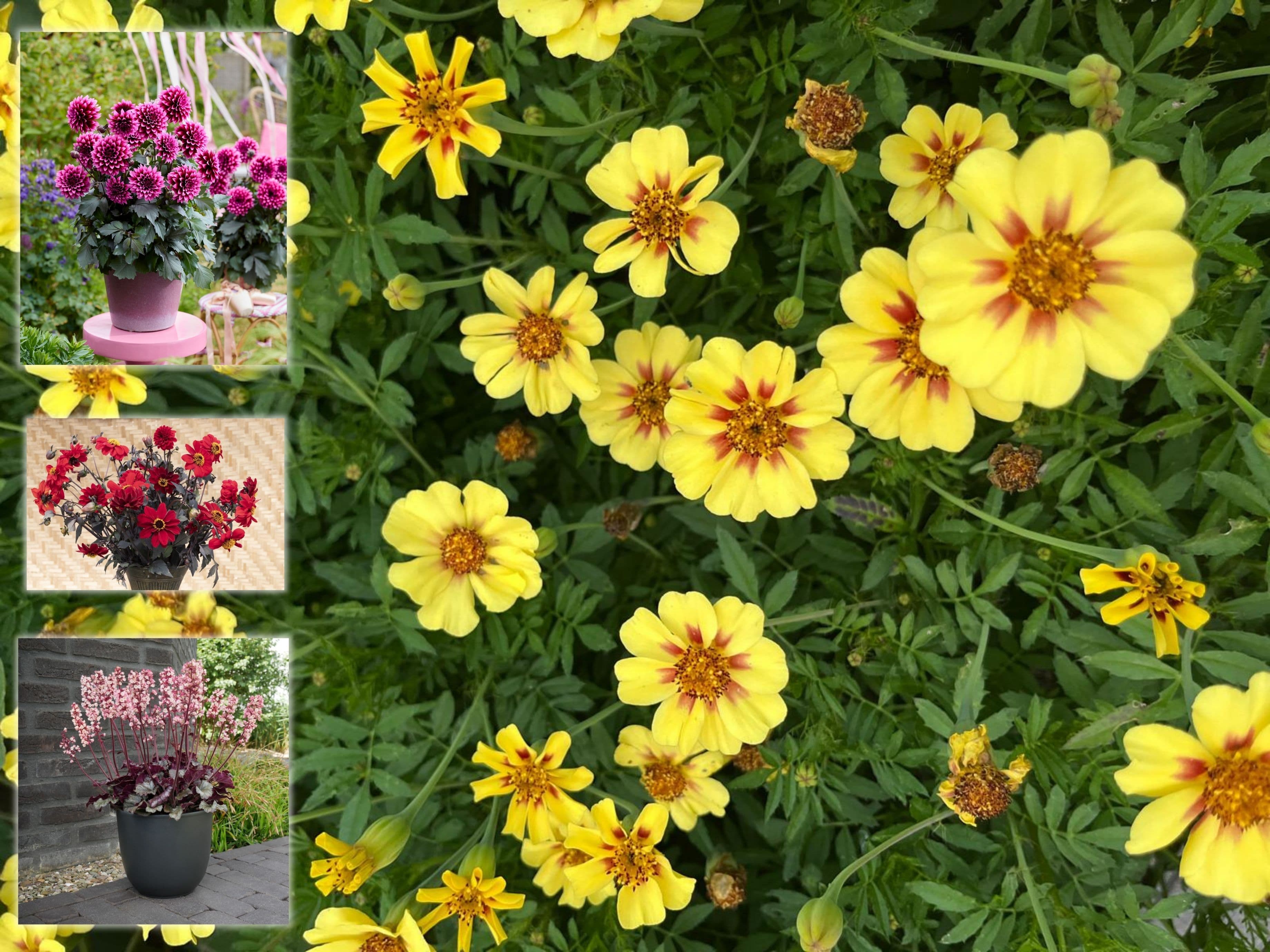
A Flower’s Birth Certificate: Global Plant Standards with Fleuroselect
Fleuroselect, the global authority in the ornamental plant industry, is featured in peyzajMAG with its Gold Medal trials, breeders' rights, and guaranteed landscape performance!

Projective Landscapes: Academia, Public Sector, and Industry Meet at the 9th National Landscape Architecture Congress
Taking place on November 20–22, 2026, the 9th National Landscape Architecture Congress brings academia and industry together under the theme "Projective Landscapes." Organized by the UCTEA Chamber of Landscape Architects and bringing the public sector into the dialogue, the congress invites industry professionals to share their hands-on field experiences.
Be the first to know
Leave your email and we will write when there is something new. We use it for nothing else.