Before Disaster Strikes: EPD-Net and the Responsibility of Landscape by Prof. Dr. Alper Çabuk
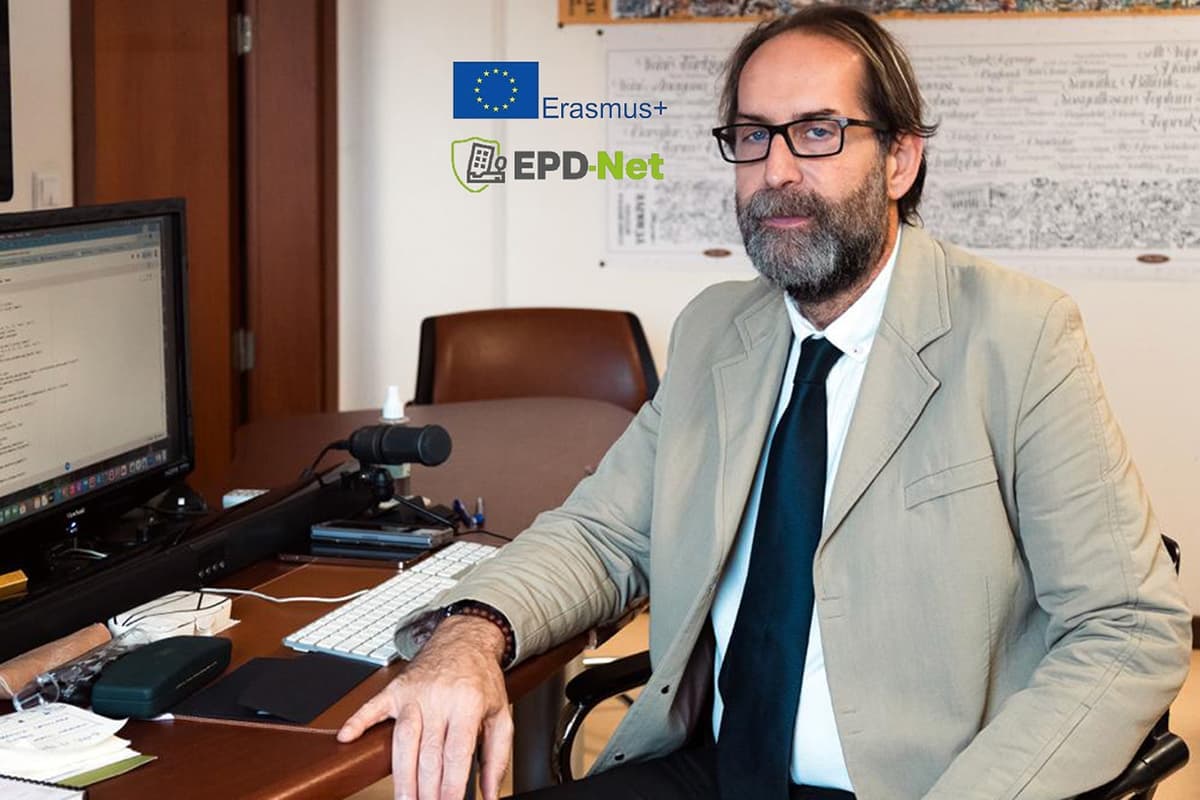
Prof. Dr. Alper Çabuk writes for peyzajMAG on disaster-resilient cities and the vital role of landscape architecture, focusing on the EPD-Net project.
This story was originally published in Turkish. Read in Turkish
When we look carefully at images taken after a disaster, the first thing we usually see is collapsed buildings. Reinforced concrete frames, shattered roads, collapsed infrastructure systems... These images lead us, almost automatically, to define disaster as a problem of structural safety and engineering. The solution is then easily squeezed into a technical framework: stronger columns, strict inspection, durable materials and rapid response. These are not unnecessary, but a very fundamental truth is overlooked. In most cases, disaster risk does not emerge at the moment a building collapse. It begins to be produced much earlier, through decisions about how land is used, which surfaces retain water, into which areas cities sprawl, how green spaces are fragmented, and how valleys and stream beds are opened up to development. A disaster is not only the moment a natural event occurs; it is the moment when wrong spatial choices, accumulated over a long period, come to light. This is precisely where the real responsibility of landscape architecture in disaster management begins.
Yet this vital responsibility of the profession is not sufficiently recognized by the public, by decision-makers, or by landscape architects themselves. Landscape architecture is still frequently perceived as an “aesthetic design” field that arranges the surroundings of buildings, selects plants, enhances visual quality and comes into play at the very last stage of a project. This perception is not merely an injustice imposed from outside; for many years, the sector’s own modes of production and communication have also contributed to reinforcing this narrow framework. Planting design, urban furniture and infrastructure solutions are indispensable to the sector. But reducing the profession to these alone is a serious intellectual loss. Because landscape is, before it is a field of objects to be placed, a field of “working processes.” Water moves; soil absorbs, carries or rejects water; vegetation responds to climate. Heat accumulates on urban surfaces, and people have unequal access to certain public spaces. The true value of a landscape decision should be measured not only by the aesthetic image it produces, but by how it manages these natural and social processes.
It is always possible to make a square aesthetically refined. But when no one asks where that same square directs water during heavy rainfall, what kind of urban heat island it creates in the summer months, whether it can serve as an assembly area in an emergency, and to what extent it is accessible to disadvantaged groups, the design remains critically incomplete. If a park that looks well designed is disconnected from the city’s ecological network or does not allow logistical access during a disaster, weak spatial decisions lie behind its visual success. Landscape architecture is precisely the ability to read these invisible relationships.
The EPD-Net project was born out of exactly this kind of intellectual gap. The project’s main aim is to fill the gaps in ecological planning and design by developing an adaptive, smart training module for disaster-resilient and sustainable cities. Today there is a very broad body of knowledge on ecological planning, climate adaptation and nature-based solutions. The problem, however, is that this knowledge remains fragmented within the boundaries of planners, architects, landscape architects, engineers and local governments. EPD-Net aims to reduce this fragmentation. By bringing together universities, professional organizations and technology companies from different countries in the same learning network, it seeks to build a lasting professional ecosystem. Real success lies not in the content produced gathering dust in reports, but in its being reflected directly in university courses, municipal processes and companies’ production decisions.
That is why the EPD-Net curriculum was not designed as one-size-fits-all. The aim was for each discipline to redefine its responsibility within disaster resilience. A landscape architecture student must be able to read not only design principles but also flood risk, urban heat islands, watershed flow and the distribution of vulnerable populations. An engineer cannot confine themselves to the structural system alone, nor an architect to the building scale alone. Urban systems survive through the integration of water, energy, transportation and shelter networks. Within this interdisciplinary structure, landscape architecture holds not a secondary but a “connective” position.
Decisions aimed at reducing disaster risk are often made only at the building scale. Yet flood risk cannot be solved within a single parcel. The movement of water across the watershed and natural drainage systems must be taken into account. Likewise, a post-earthquake assembly area cannot simply be a parcel left empty; it must be part of an open space system that has infrastructure and can be adapted for temporary shelter. This integrated perspective also transforms the sub-sectors producing within the landscape industry. A company selling rainwater pipes shapes the city’s relationship with water; a company producing permeable paving shapes surface runoff. While playground manufacturers build equal-access infrastructure, the ornamental plant sector must stop seeing plants merely as color and instead treat them as components of “living infrastructure” that retain water, provide shade and regulate climate. The real value of a product is its long-term function within the system.
EPD-Net also integrates digital skills with ecological processes. Although geographic information systems and artificial intelligence increase decision-making capacity, technology is a tool, not an end. Satellite images alone cannot read a neighborhood’s memory of disaster. Resilience, meanwhile, is not only the capacity to withstand; it is the capacity to learn, adapt and transform. And this cannot be achieved without social justice. The same disaster hits disadvantaged groups and low-income neighborhoods harder. Access to safe open spaces and to shade is more than a mere design choice; it is a matter of distributive justice. That is why landscape architecture must also concern itself with equity.
Whether the products the sector offers find a place in the international market depends not only on aesthetics but also on their climate performance, water efficiency and position in the circular economy. The international network created by EPD-Net provides a platform where experiences from Türkiye and abroad are tested in different climates and the environmental impact of materials is discussed collectively. For the profession to be involved early in decision-making processes, it must present decision-makers with flood reduction, temperature reduction and ecological benefit through concrete, measurable indicators. The most critical threshold here is the “public procurement” process. As long as low cost dominates tenders, long-term ecological performance will always remain in the background. Although permeable surfaces and rainwater harvesting may seem expensive at first, they are the most rational solution in the long run when maintenance and disaster damage costs are taken into account.
The future of landscape architecture cannot be secured merely by becoming more visible; the profession must demonstrate which social problems it solves. The climate crisis, water scarcity and disaster risk are the natural working domain of landscape architecture. If the profession does not take on this responsibility, other disciplines will fill that gap with far narrower tools. EPD-Net is a major test of how landscape architecture defines itself. Re-greening cities after disasters may be valuable; but the real task is to build landscapes that will absorb risk before a disaster occurs. Building a park along a stream bed after opening it up to development is not sustainability.
The point is to create a professional culture that is not called in for cosmetic touch-ups after a disaster, but is at the table when risk-generating decisions are being made. There is much to be done before disaster strikes. Landscape architecture is a vital discipline with something to say, a transformative power and a serious responsibility to shoulder. The task now is no longer simply to explain ourselves and our aesthetics, but to become an essential, founding part of the decisions that will change the resilience of cities and the future of people.

read on
Related stories
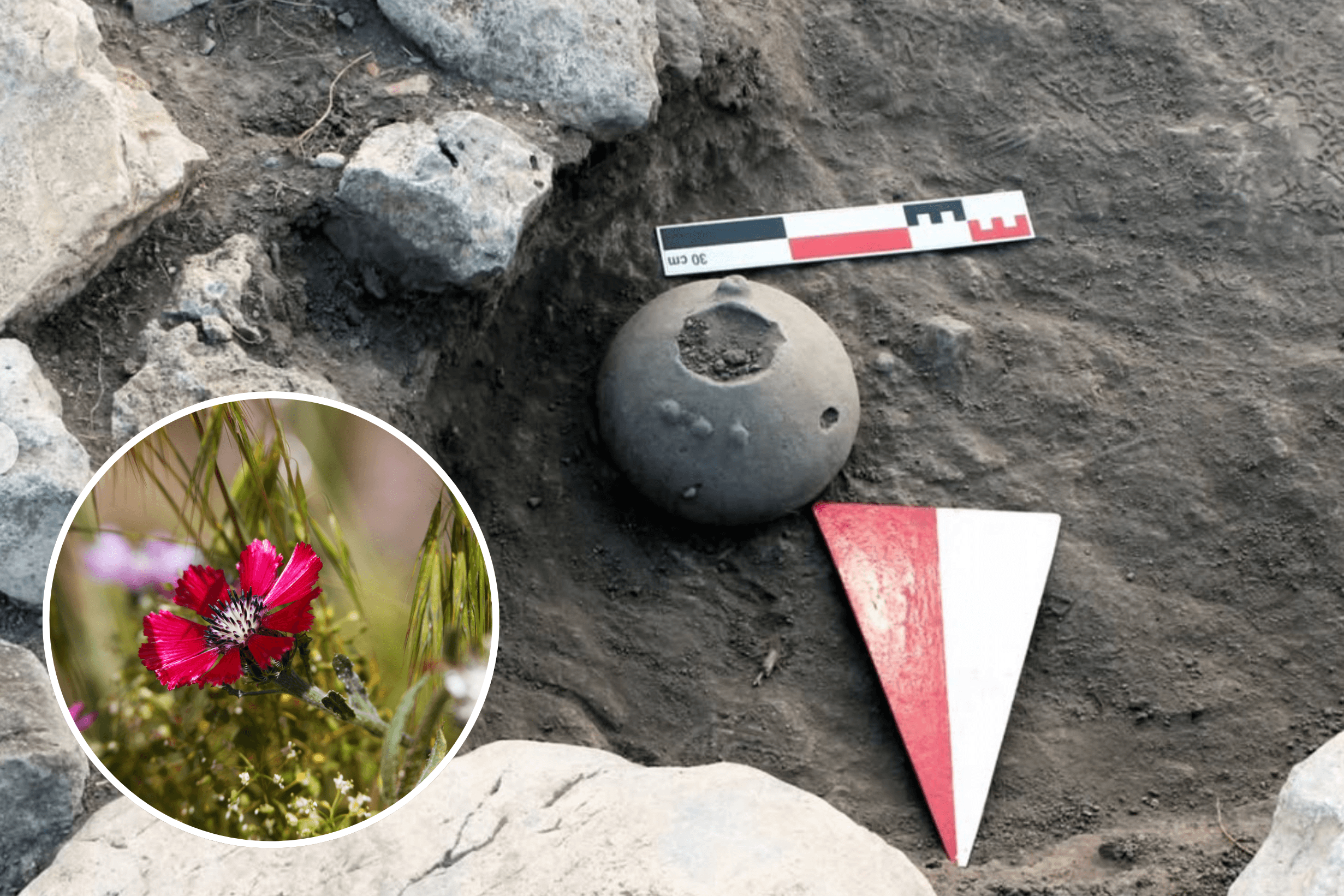
The Red Pearl of Gölbaşı, "Love Flower": A 4,000-Year-Old Hittite Heritage Uncovered!
An extraordinary discovery that will thrill botany and landscape enthusiasts, connecting the roots of nature and history, has come from Ankara. New archaeological findings announced by the Minister of Culture and Tourism, have shed light on the thousands-of-years-old mysterious past of the endemic "Love Flower" (Centaurea tchihatcheffii) growing in Ankara's Gölbaşı district.
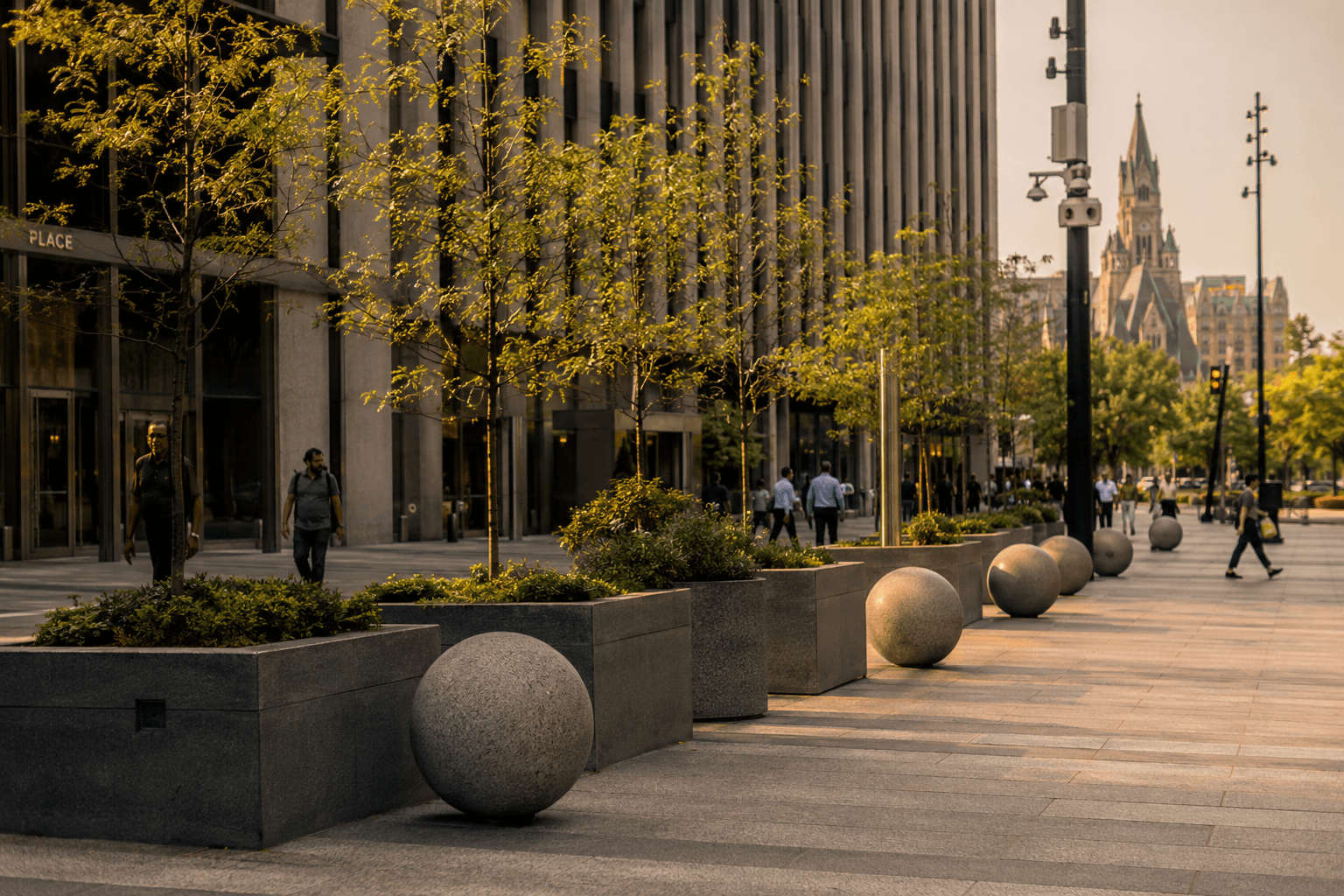
Landscape Architect Serdar Kaleli on Designing Security: "The Invisible Power of Landscape Beyond High Walls"
Is security merely about high walls and barricades? Plant buffers, grade changes, and the concept of invisible protective landscape explored in full detail in peyzajMAG!

A Flower’s Birth Certificate: Global Plant Standards with Fleuroselect
Fleuroselect, the global authority in the ornamental plant industry, is featured in peyzajMAG with its Gold Medal trials, breeders' rights, and guaranteed landscape performance!
Be the first to know
Leave your email and we will write when there is something new. We use it for nothing else.