Is Sustainable Entertainment Possible? Coldplay’s Eco-Friendly Concert Revolution
We examine Coldplay’s green revolution, spanning kinetic floors to biofuels and their pioneering sustainable entertainment model on the "Music of the Spheres" tour in peyzajMAG!
This story was originally published in Turkish. Read in Turkish
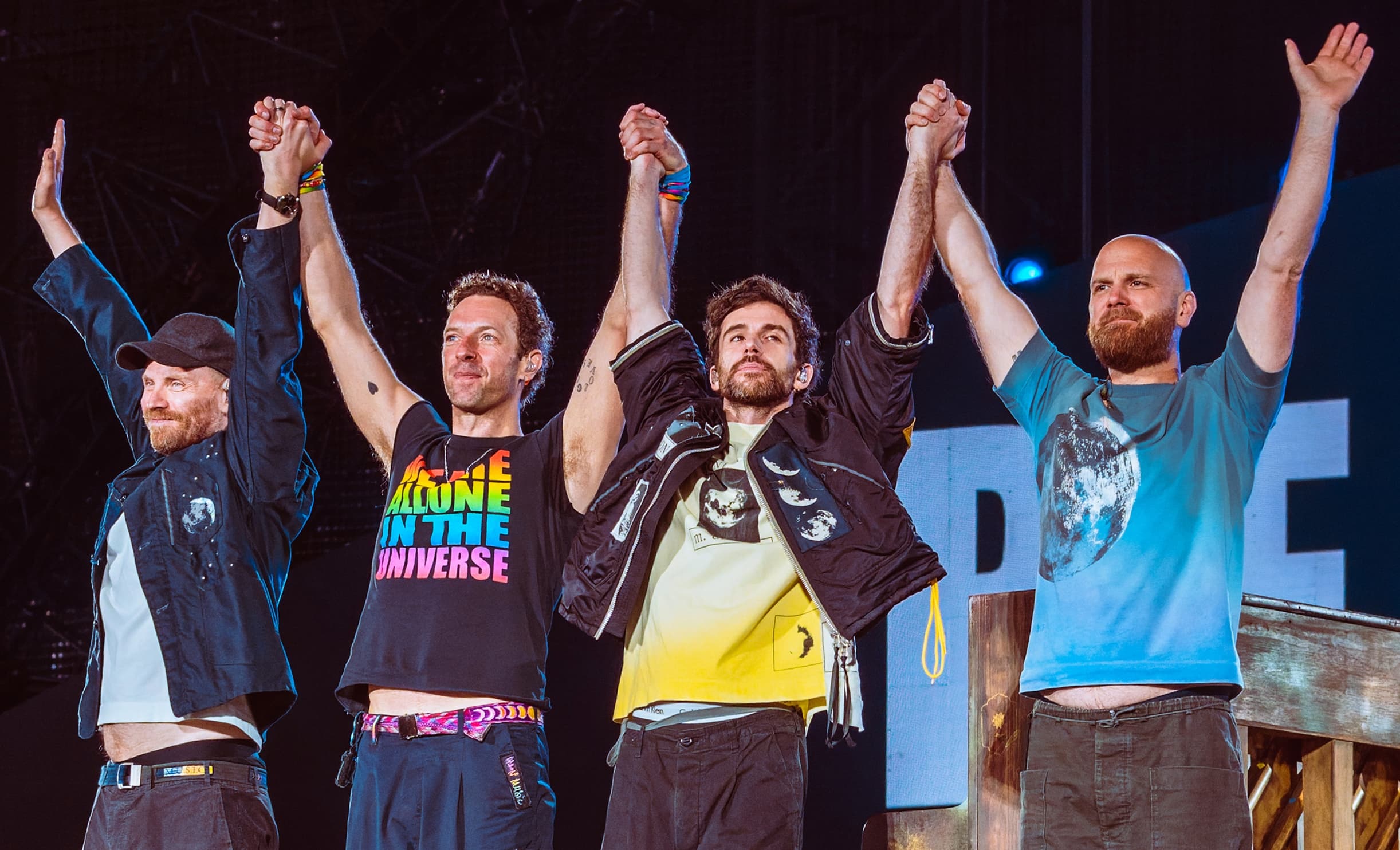
Consistency between words and actions matters, doesn’t it? Just as we find it off-putting and hypocritical when someone who preaches the virtues of living with less consumes excessively, it is every bit as contradictory that, in a world searching for answers to the climate crisis, vast entertainment and sports events carry on in a consumption race as though nothing were happening. So, is it possible to make these enormous productions as sustainable and as ecologically sound as they can be? The world-famous band Coldplay is not only proving that it is possible — it is setting an example that the entire industry can learn from.
With the Music of the Spheres world tour, regarded as one of the greatest visual spectacles of recent years, Coldplay is transforming an operation far too large to be waved away as “just a concert.” In the sustainability report the band publishes itself, we see that their efforts are built on three core principles: Reduce, Reinvent and Restore.
Far More Than a Concert
For an event that, on the face of it, you might dismiss as “just a concert,” the practices being put in place are a lesson to many global stars and vast corporations we would rather not embarrass by naming.
Coldplay’s effort is not only about greening the entertainment sector; it stands as an exemplary piece of work on cities and living, proof that these systems are scalable and can be applied to different fields and to enormous logistical operations. What remains for the rest of us is to read, to draw inspiration, and to give them a standing ovation as we carry this transformation into our own fields.
Here is that inspiring map of how big shows can be brought into harmony with nature in twelve headings:
1. The Stage Show and Ecological Design
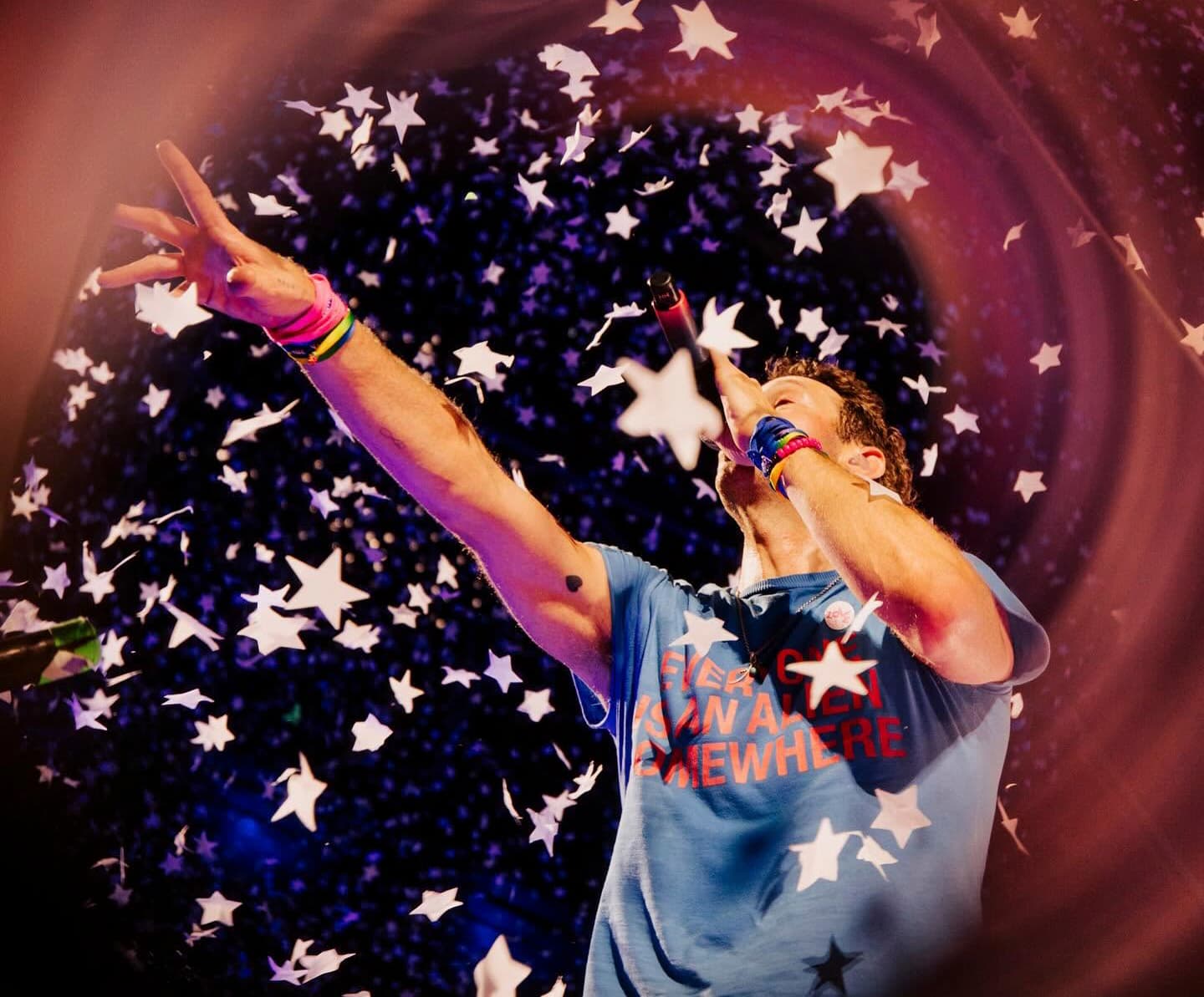
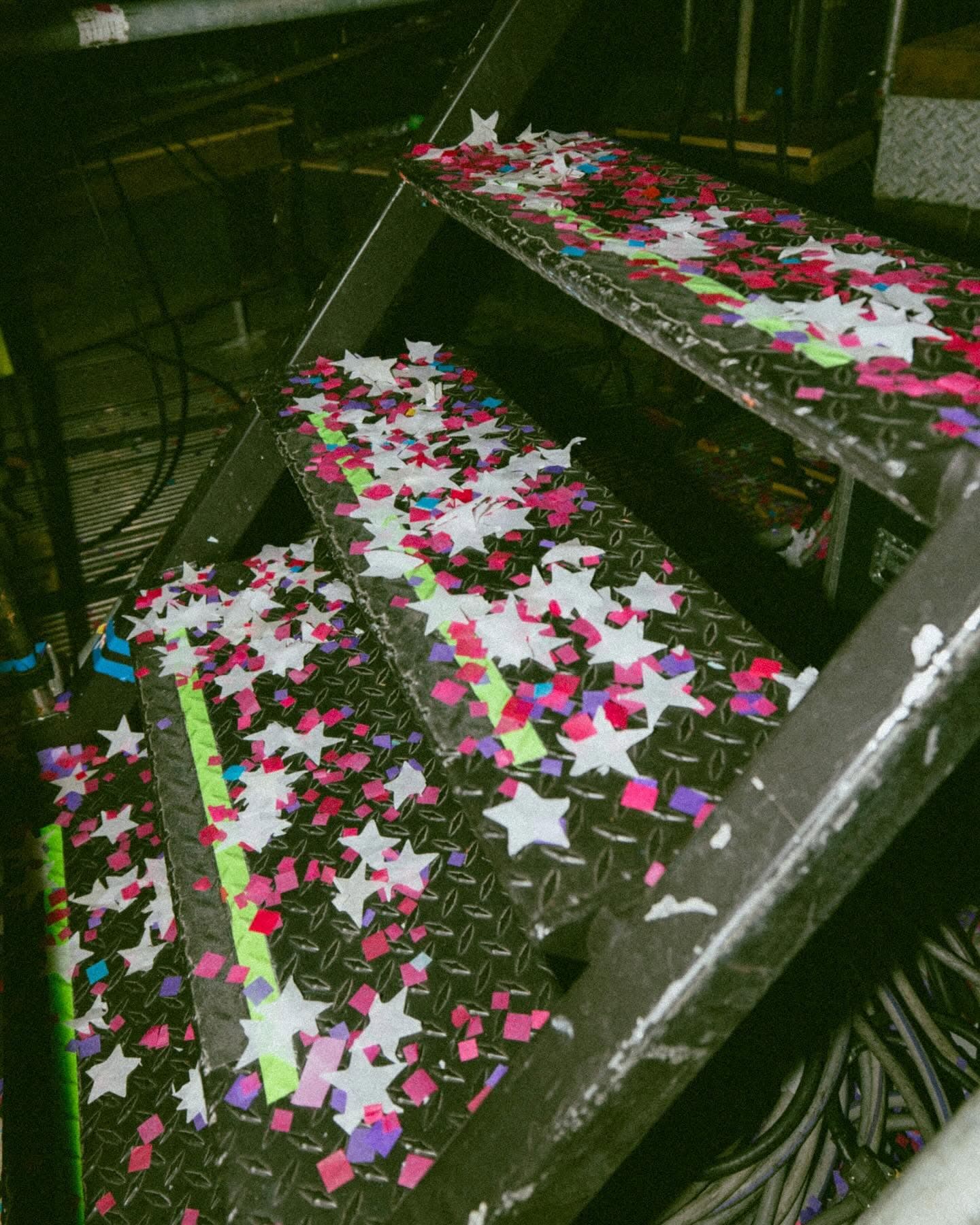
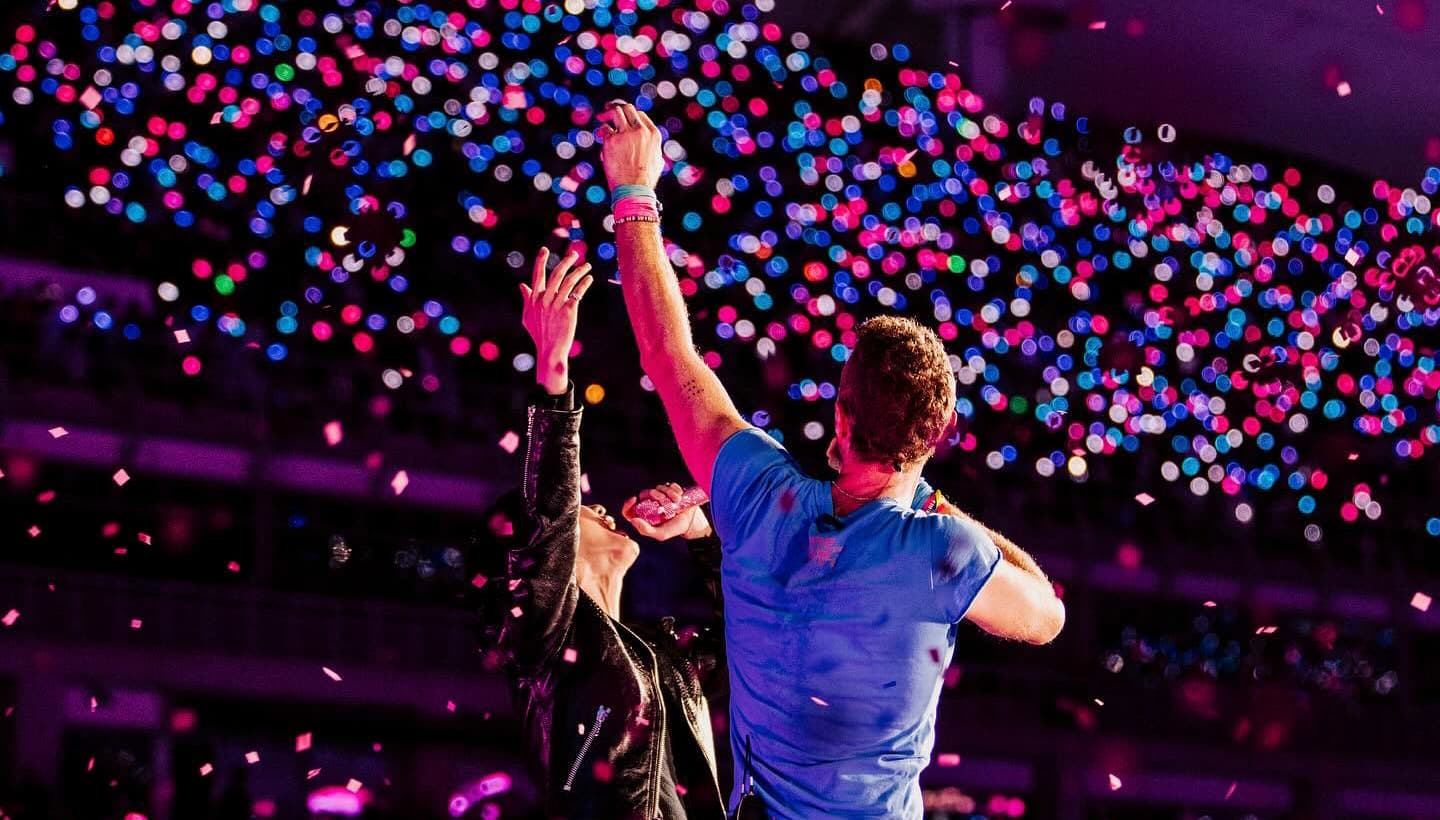
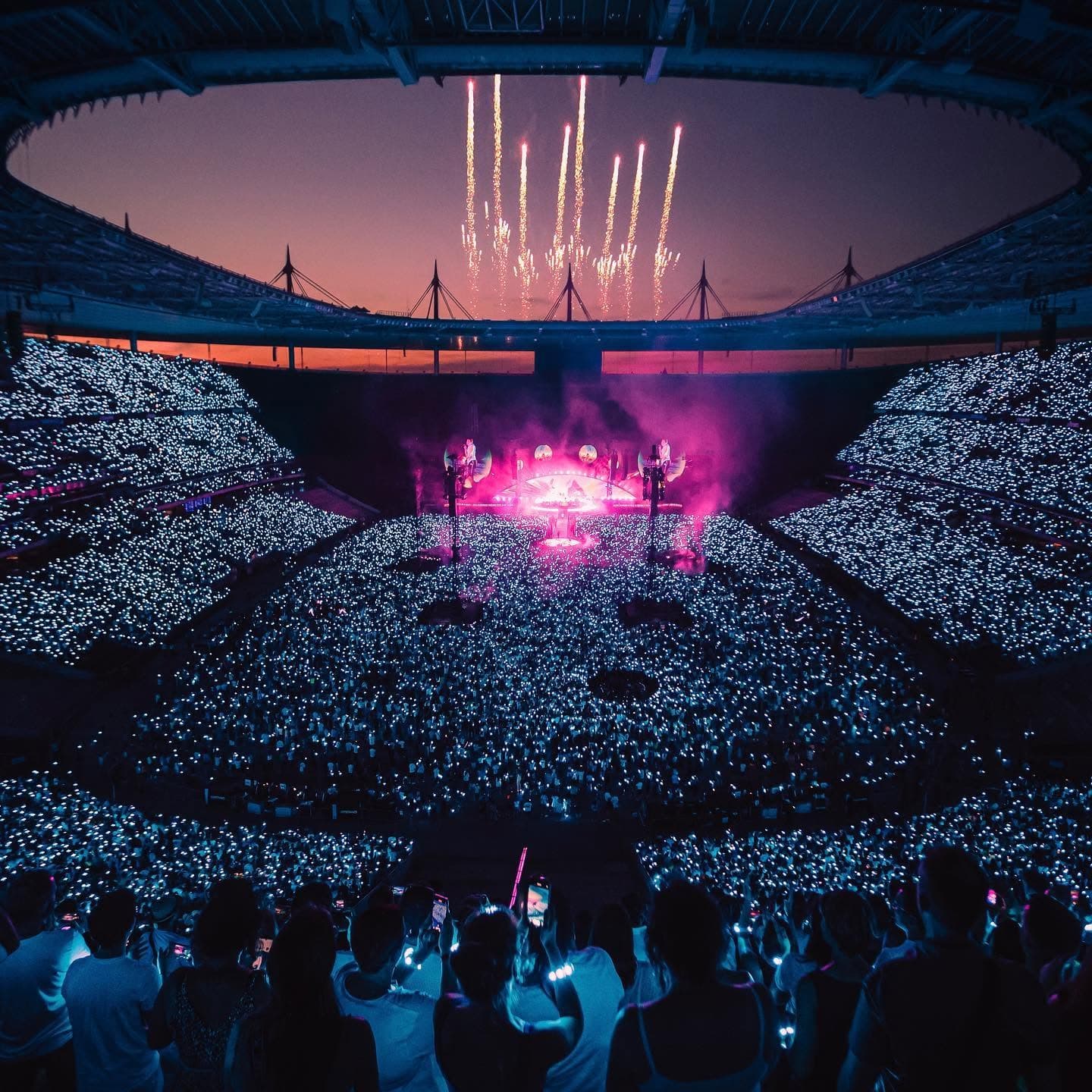
Coldplay sends a “sustainability rider” to the stadiums where it will perform weeks in advance. In many regions, equipment and materials are sourced locally in order to reduce transport emissions. The vast stage, built from reusable materials, is recycled at the end of the tour. Those famous glowing LED wristbands we all know are made from 100 percent compostable material; after every concert they are collected, disinfected, recharged and carried on to the next city. Items such as confetti and pyrotechnics are fully biodegradable and designed with a minimal explosive load.
2. Fans: An Active Part of the Process

Audience members are given discount codes according to how they travel to the concert: the lower the emissions, the cheaper the ticket. In the kinetic and solar energy zones set up at the venue, interactive sessions on clean technology and sustainable living are offered. Most striking of all: at least one tree is planted for every ticket sold.
3. Water: Smart and Sparing Use
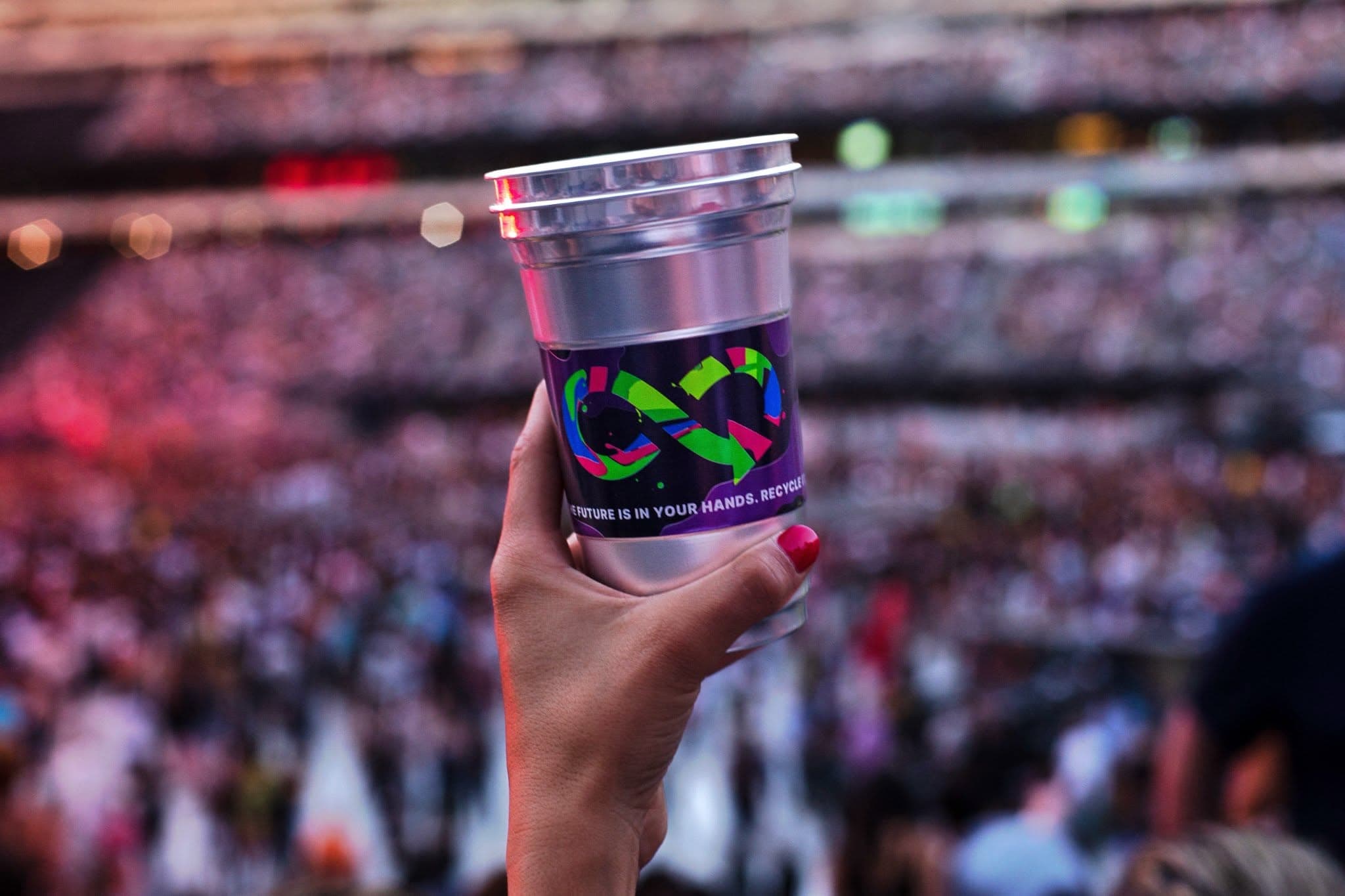
The band’s sustainability rider includes requirements such as low-flush urinals and low-pressure plumbing that prevents water waste. Audiences are asked to bring their own bottles instead of single-use plastic ones, and free water refill stations are installed at many points around the stadiums.
4. Waste Management and Recycling
Plastic bottles are replaced entirely by reusable or recyclable alternatives. Where a region lacks adequate recycling infrastructure, the band takes the lead in setting that system up itself. Across the tour, 72 percent of the waste generated is returned to the system through reuse, recycling or composting.
5. Food: Local, Ethical and Shared
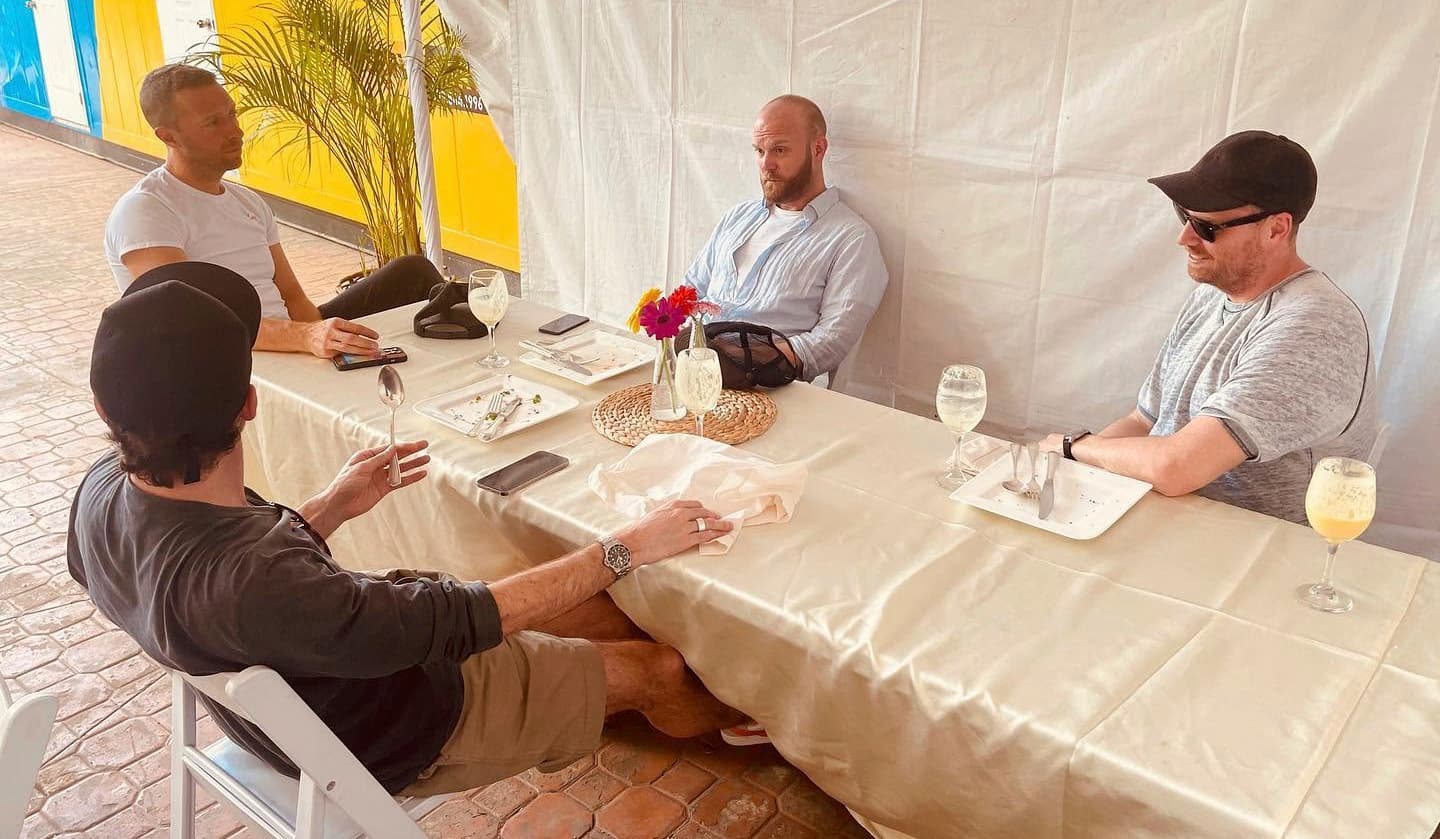
Vegan and vegetarian options are offered as standard on the catering menus for the entire touring crew, and this food is sourced entirely from local producers. Surplus edible food is passed on to people in need and to the homeless through food banks, while organic waste that cannot be eaten is sent to composting facilities.
6. Merchandise

All clothing on sale is made from 100 percent organic cotton by local firms that provide fair wages and good working conditions. This lowers shipping costs and emissions while supporting the local economy. To eliminate plastic altogether, packaging uses only recycled paper or compostable bags.
7. Carbon Emissions: Measurable and Transparent Targets
Coldplay has the carbon footprint of its stage shows audited regularly by independent bodies such as the MIT (Massachusetts Institute of Technology) Environmental Solutions Initiative. Emission reductions are targeted across the entire operation from stage construction to travel, from freight to the power source used on stage and fossil fuels are strictly avoided in transport and logistics.
8. Energy: Renewable Power Behind the Stage
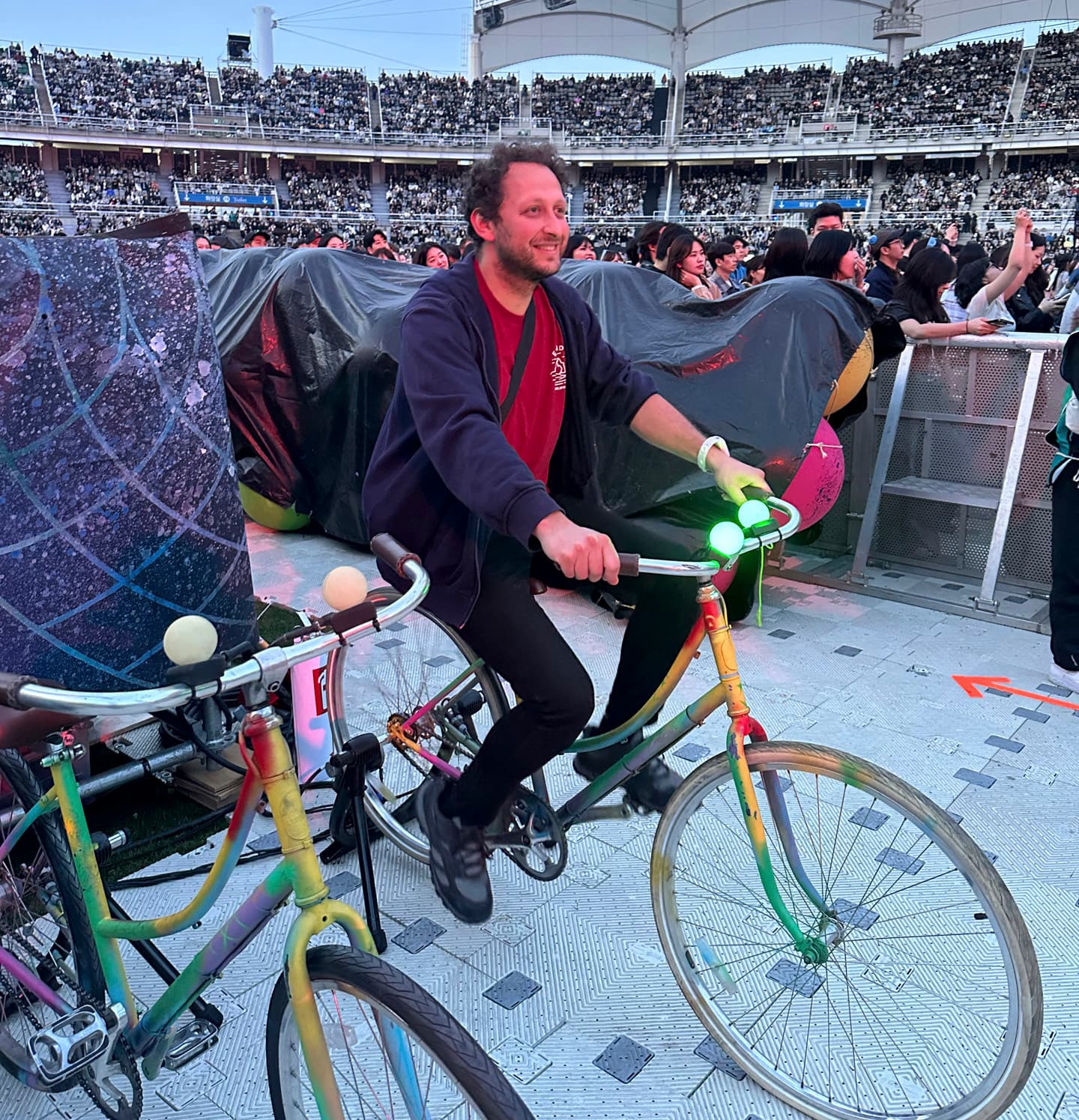
Stage productions are powered almost entirely by renewable and low-emission energy. As soon as the stage goes up in the stadium, solar panels are installed alongside it, charging recycled BMW i3 batteries until the show begins; the entire concert then runs on those batteries. Kinetic dance floors laid into the ground and power-generating exercise bikes turn the audience’s energy directly into electricity. For generators and road freight, biofuels of the HVO (Hydrotreated Vegetable Oil) type, produced from waste cooking oil, deliver emission reductions of between 75 and 95 percent.
9. Travel: A Sustainable Shift in Aviation
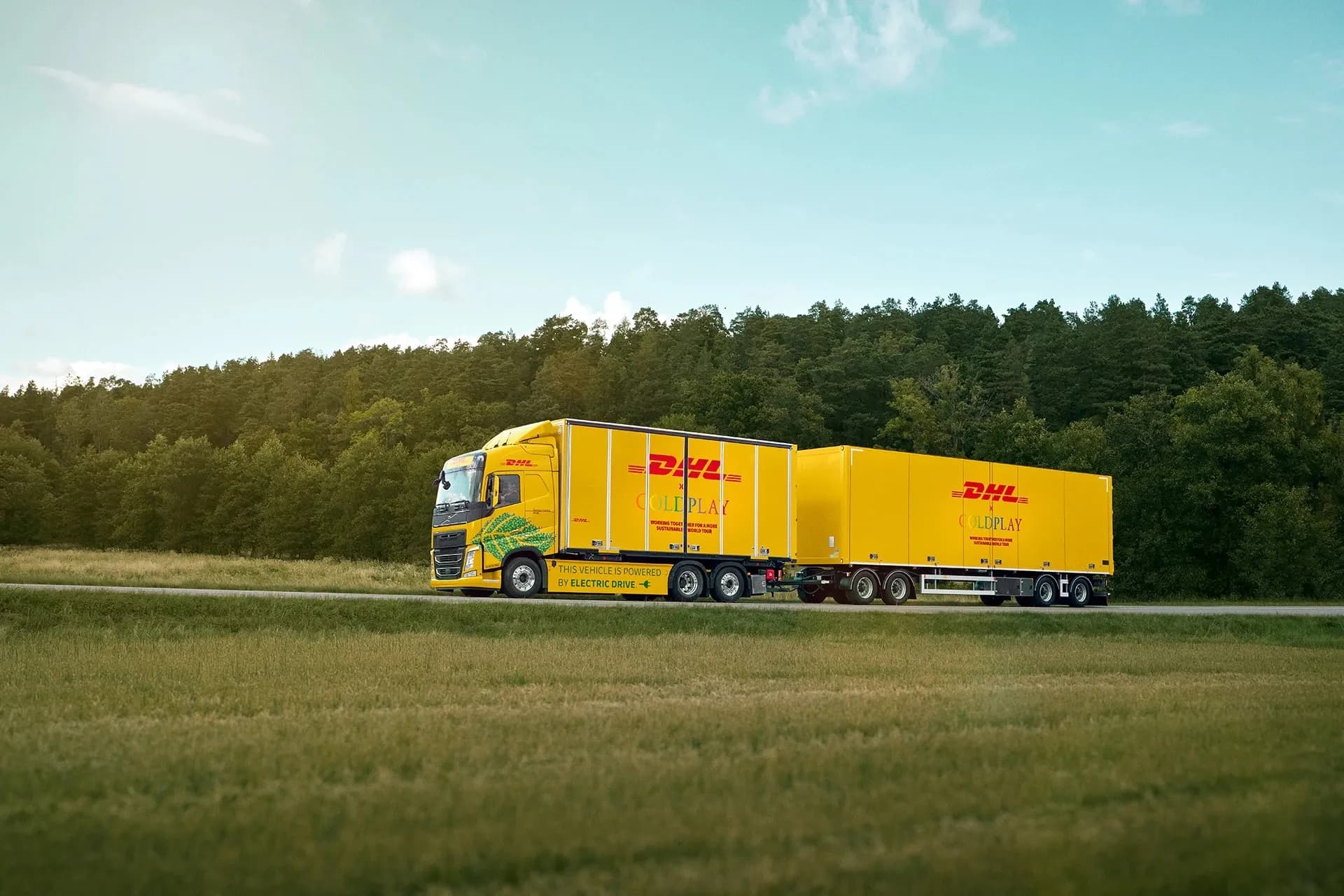
While the band members themselves fly commercial, extra budget is set aside for the use of Sustainable Aviation Fuel (SAF) on the charter flights that carry the equipment. Made entirely from waste cooking oil, SAF cuts greenhouse gas emissions by up to 80 percent compared with fossil jet fuel. The GoGreen Plus programme run with the logistics giant DHL puts this commitment on realistic footing: DHL guarantees the use of SAF within its scope and deploys electric vehicle fleets for ground transport.
10. Donations and Responsibility
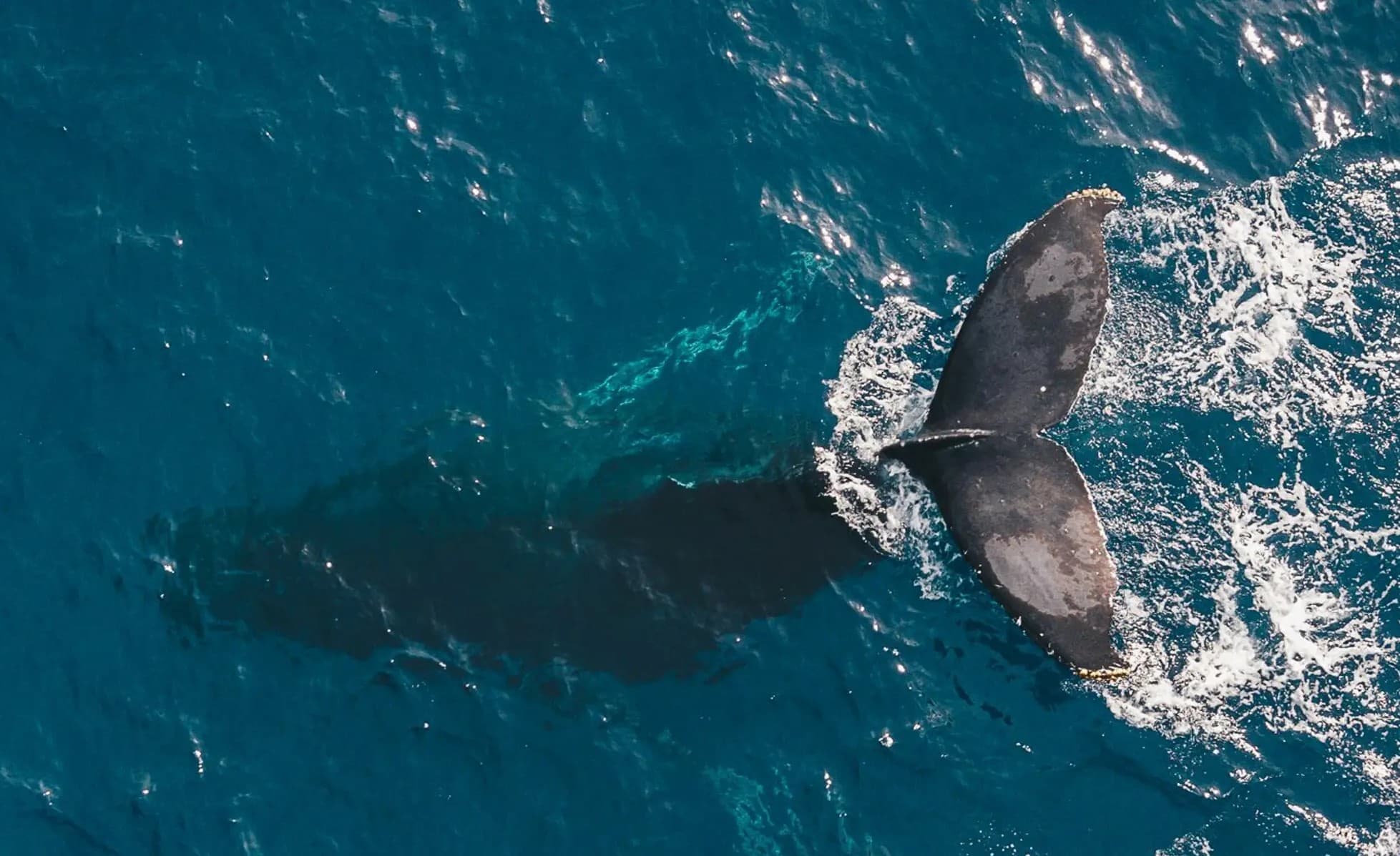
Coldplay donates 10 percent of its earnings — not only from concert revenue but from all of its activities, including touring, record sales, digital income and broadcast rights — to environmental organizations. The recipients include ClientEarth, The Ocean Cleanup, One Tree Planted, Global Citizen, Food Forest Project, the Paul Watson Foundation, Project Seagrass and Climeworks: actors playing a critical role in the future of the planet.
11. Nature: Hands-On Restoration Work

Aware that, despite all these efforts, a tour on this scale still leaves a considerable carbon footprint, the band has planted more than 7 million trees in 24 countries to date in partnership with One Tree Planted, and that number keeps rising. Its restoration work is not limited to planting trees; comprehensive projects in soil restoration, ocean clean-up, wildlife and biodiversity support are financed directly.
12. Transparency and Data Sharing
The band commits to measuring all of its environmental impacts, positive and negative, and to improving as it goes. To that end it works with the sustainability experts at Hope Solutions and with Live Nation’s Green Nation platform. All data, measurements and reports are shared openly with the public at sustainability.coldplay.com.
read on
Related stories

"A Landscape Possibility" by Artist Assoc. Prof. Dr. Gözde Mulla: Night, Darkness, and Landscape
Focusing on her exhibition "A Landscape Possibility", Assoc. Prof. Dr. Gözde Mulla wrote about the human-nature relationship, night, and landscape beyond an anthropocentric perspective in peyzajMAG.

"Why Is Our Wardrobe Never Full? The Ecological Footprint of Fast Fashion with Dr. Ceren Özcan"
Dr. Ceren Özcan, author of Zero-Waste Living writes for peyzajMAG about the consumer culture behind the "I have nothing to wear" dilemma and the hidden water and climate costs of fast fashion.

"The Silent Curriculum of Landscape" by Sude Akbal: Nature Literacy in Iğdır
Sude Akbal, a Landscape Architecture student at Ankara University, shares her insights on nature literacy and field experience from the TÜBİTAK 4004 Iğdır project in peyzajMAG.
Hear about the next issue first
Leave your email and we will write when there is something new. We use it for nothing else.