"The Silent Curriculum of Landscape" by Sude Akbal: Nature Literacy in Iğdır
Sude Akbal, a Landscape Architecture student at Ankara University, shares her insights on nature literacy and field experience from the TÜBİTAK 4004 Iğdır project in peyzajMAG.
This story was originally published in Turkish. Read in Turkish
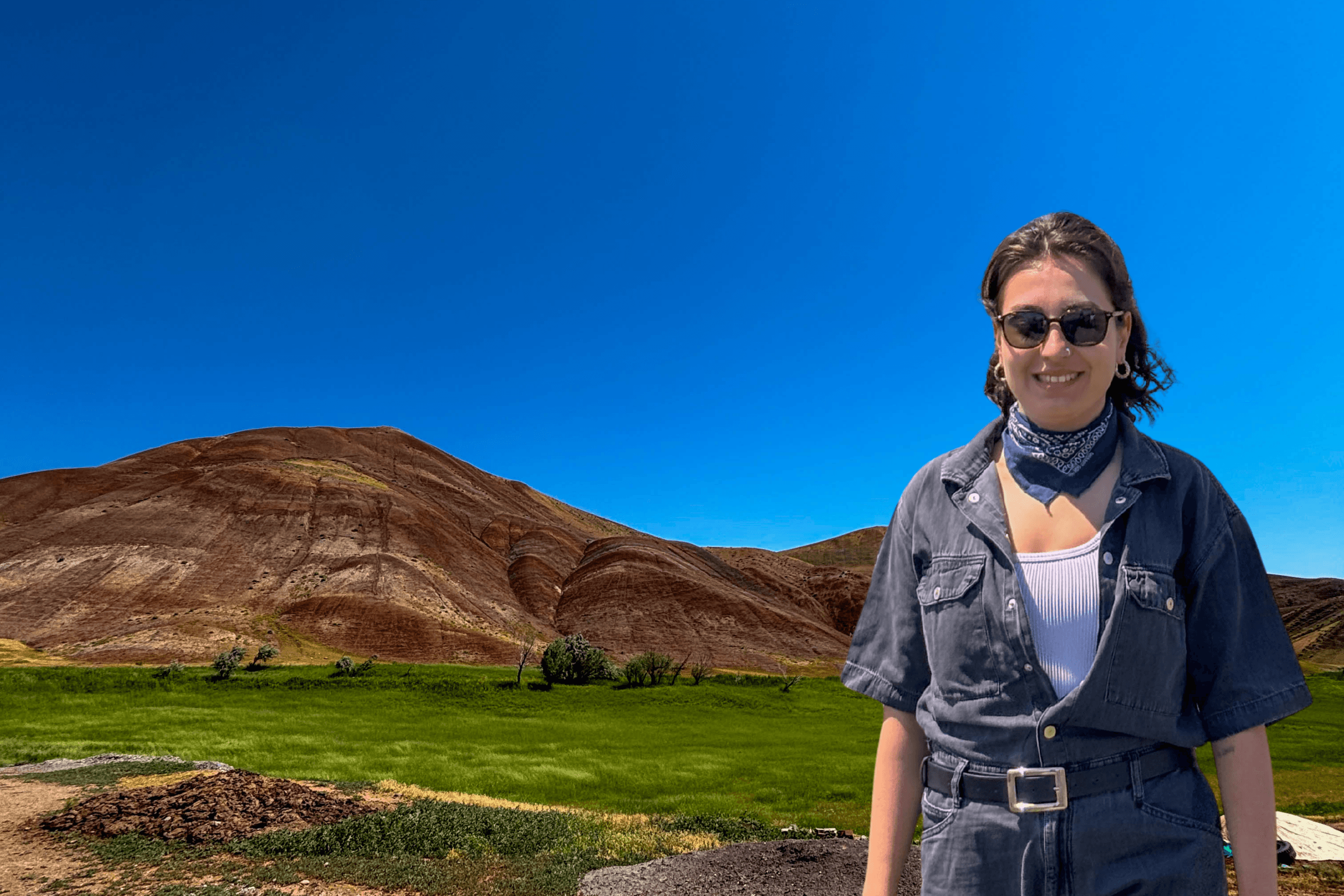
Some courses carry no credits, yet their effect lasts a lifetime.
Sometimes a valley explains things better than a lecture hall. The TÜBİTAK 4004 project “Nature Is with Me: I Am an Environmental Literate Everywhere 4” showed me not only the natural and cultural riches of Iğdır, but also that a landscape architect must first learn to read nature. What I brought back with me was not only photographs, but a new way of looking — one that asks “Why?” of every landscape it sees.
“Are you going to Iğdır during finals week?”
That was the question I heard most often when I said I had been accepted onto the project. They had a point. All the term’s exams were over; only the final exam for my studio course remained. But I did not want to miss the chance to be one of the first two landscape architecture students from Ankara University’s Department of Landscape Architecture to take part. I had a feeling this would be no ordinary field trip.
In landscape architecture we often think through maps, carry out analyses and draw plans. Yet is it really possible to do that without truly knowing the nature we are trying to design for? The TÜBİTAK 4004 project was pursuing exactly this question. It aimed to let us experience environmental literacy out in nature, and to see together how different disciplines look at the same landscape. So, for a few days I left the classroom walls behind and chose nature itself as my lecture room.
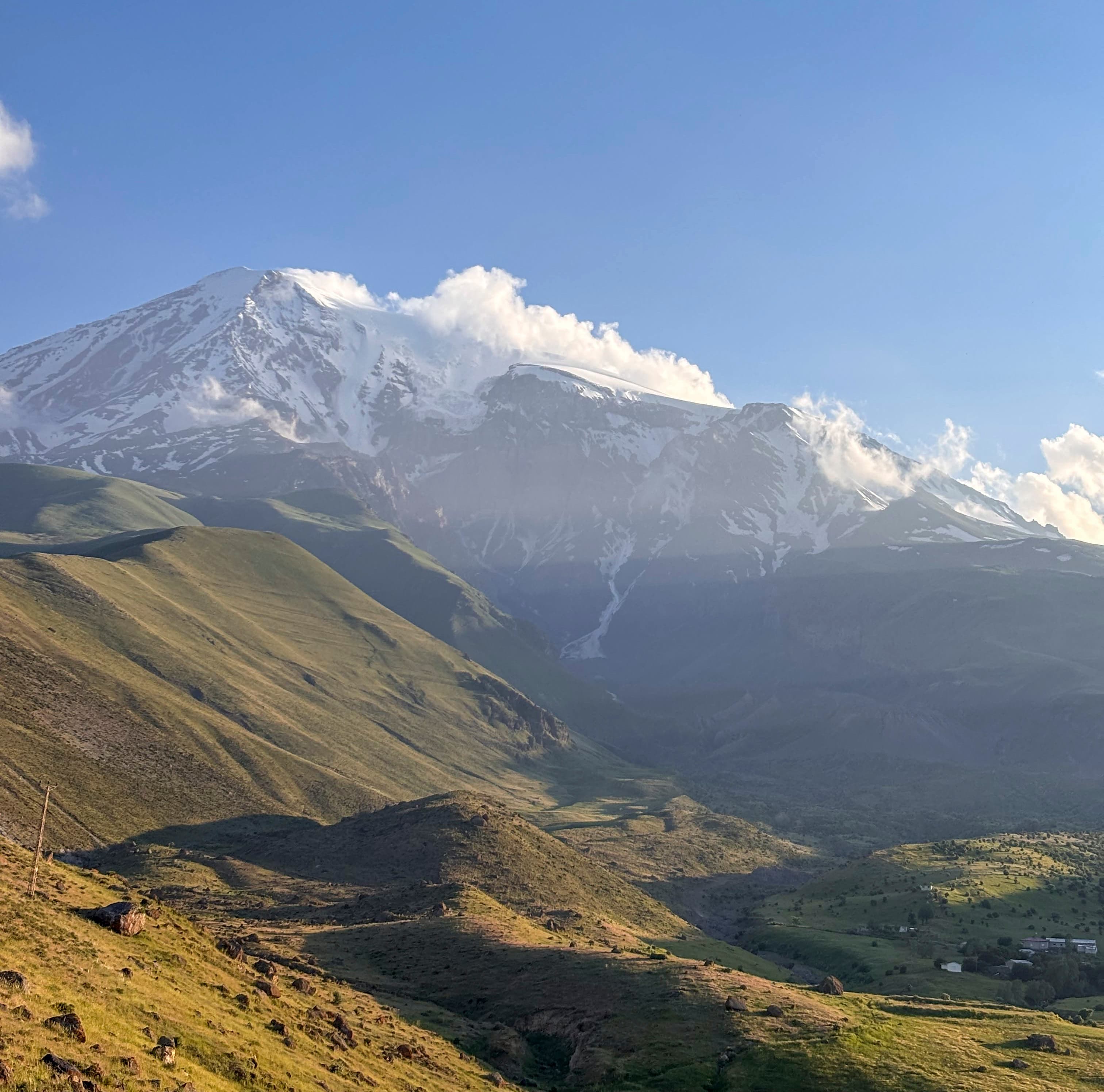
Over the course of the programme we visited the Aras Bird Sanctuary, the Karasu Wetland, the Rainbow Hills, the Salt Cave, the Koçbaşı Cemetery, the foothills of Mount Ararat, the Dilucu border crossing and Nakhchivan. One day we would be discussing bird migration, a few hours later listening to geological processes millions of years old, and then debating the relationship between cultural heritage and landscape. The pace was intense, but nobody complained. Most of the time our greatest worry was whether we would make it to the meal break in time.
Fortunately, we always did. The finest part of the day was the long dinner tables. We tasted local cheeses, marveled at the flavor of apricots we picked straight from the branch, and went back over what we had learned during the day. After that first apricot, I realized supermarket apricots had been overrated by me for years. It turns out an apricot is only really an apricot while it is still on the tree.
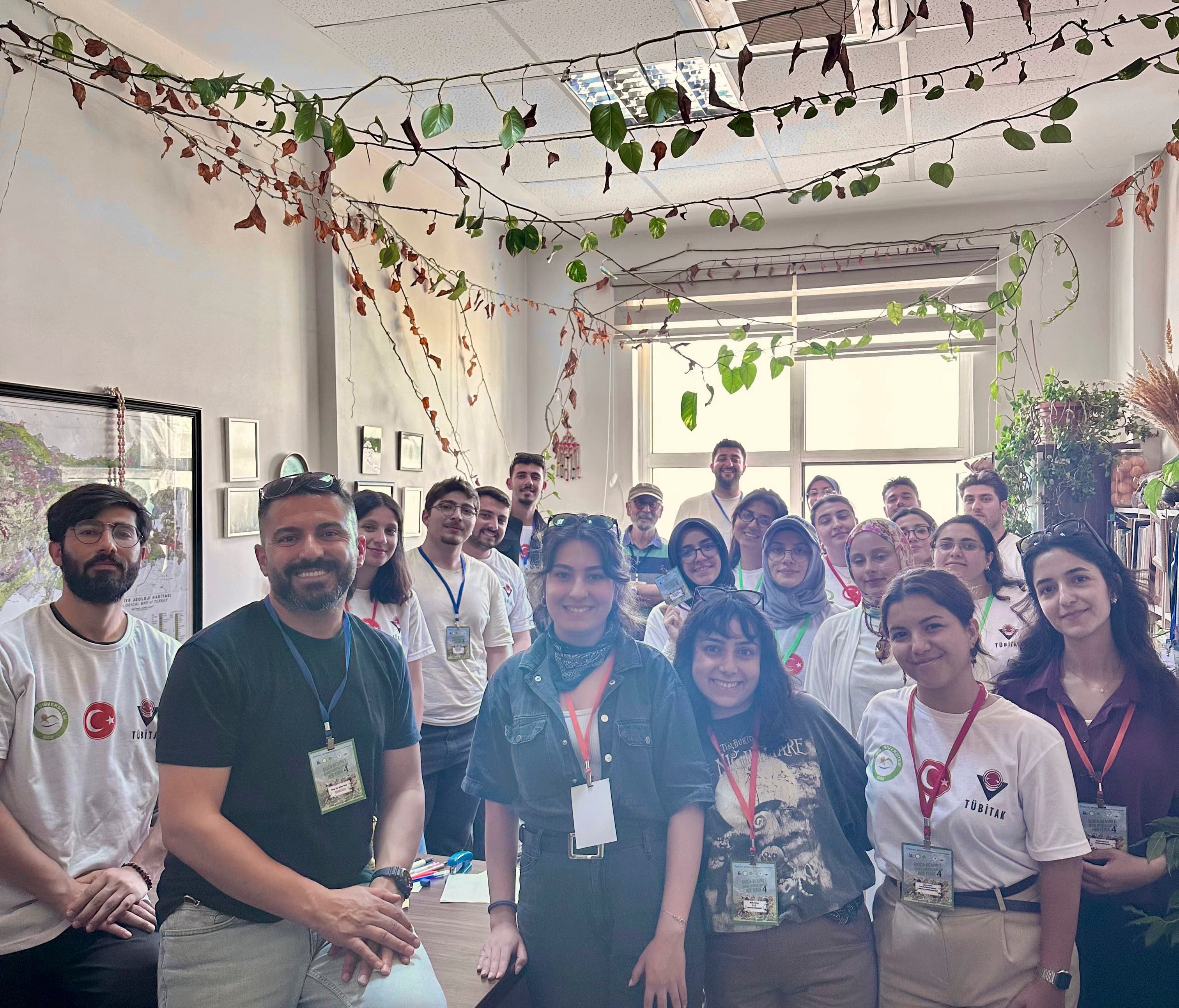
It was not only the food that made those meals valuable. At the same table a biologist would be talking about birds, a geologist about rocks, a geographer interpreting the climate — while I thought about how all of it came together within the landscape. People who had not known one another a few days earlier soon became friends who finished each other’s sentences. It was the first time I felt so directly how much stronger academic solidarity can be than competition. Those friendships continued after the project ended; we still follow one another’s work and exchange ideas.
The place that affected me most was the Ahura Valley. Curiously, the first thing that caught my attention was not the water but a rosehip shrub. Then my eye was drawn to the water. In the middle of an arid geography, the riparian corridor stretching across it supported a life utterly different from the landscape around it. In that moment the concepts we had learned in hydrology, ecology and landscape ecology classes turned for the first time into a living system in front of me.
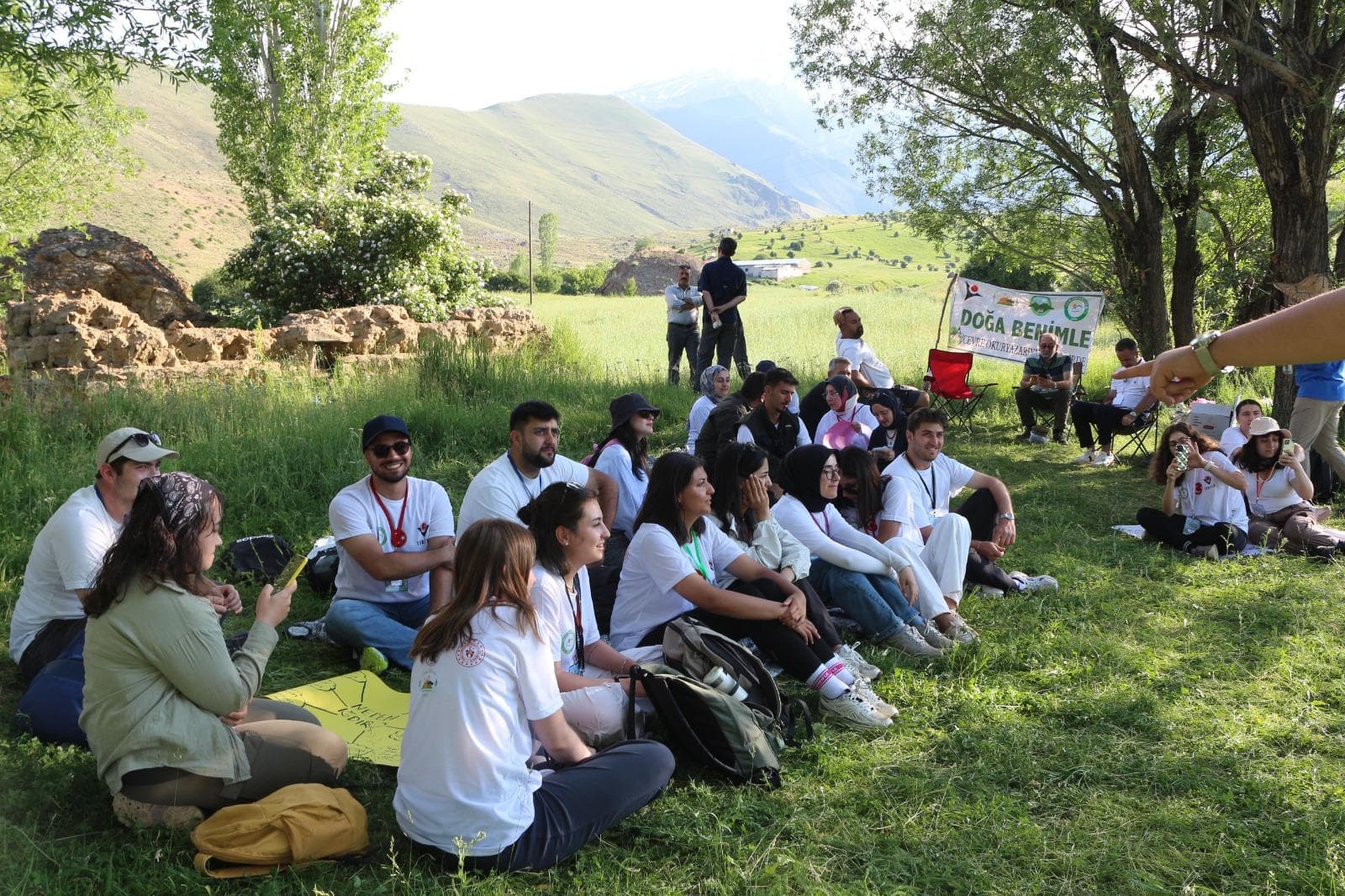
The role-play activity we did in Ahura was another experience I will not forget. We were divided into groups representing tourists, public institutions and private sector representatives. We were looking for different answers to the same questions: “Why should people come to Iğdır?” and “How should the future of the Ahura Valley be planned?” That day, for the first time, I looked at a landscape not only as a student but as a decision-maker. Debating the delicate balance between conservation, tourism and local development, I came to understand better that landscape architecture is in fact about bringing different disciplines and different expectations together on common ground.
One of the experiences that affected me most in cultural terms was the Ashura commemoration. Witnessing this tradition, which keeps alive the mourning of Karbala, showed me that cultural landscape is not made up of historic buildings alone. People’s memory, their beliefs and the rituals they keep alive are an inseparable part of a geography too.
The project’s unofficial motto was a single phrase: “We’ll sort it out.” Our project leader, Assoc. Prof. Dr. Adem Yulu, said it so calmly that within a few days we had all started to believe it. When I realized, the day before we were due to return, that I had left my wallet in a taxi, I said exactly the same thing. And sure enough, after a few phone calls it turned up. What stayed with me that day was not so much the wallet being found as the team spirit that had formed in just a few days.
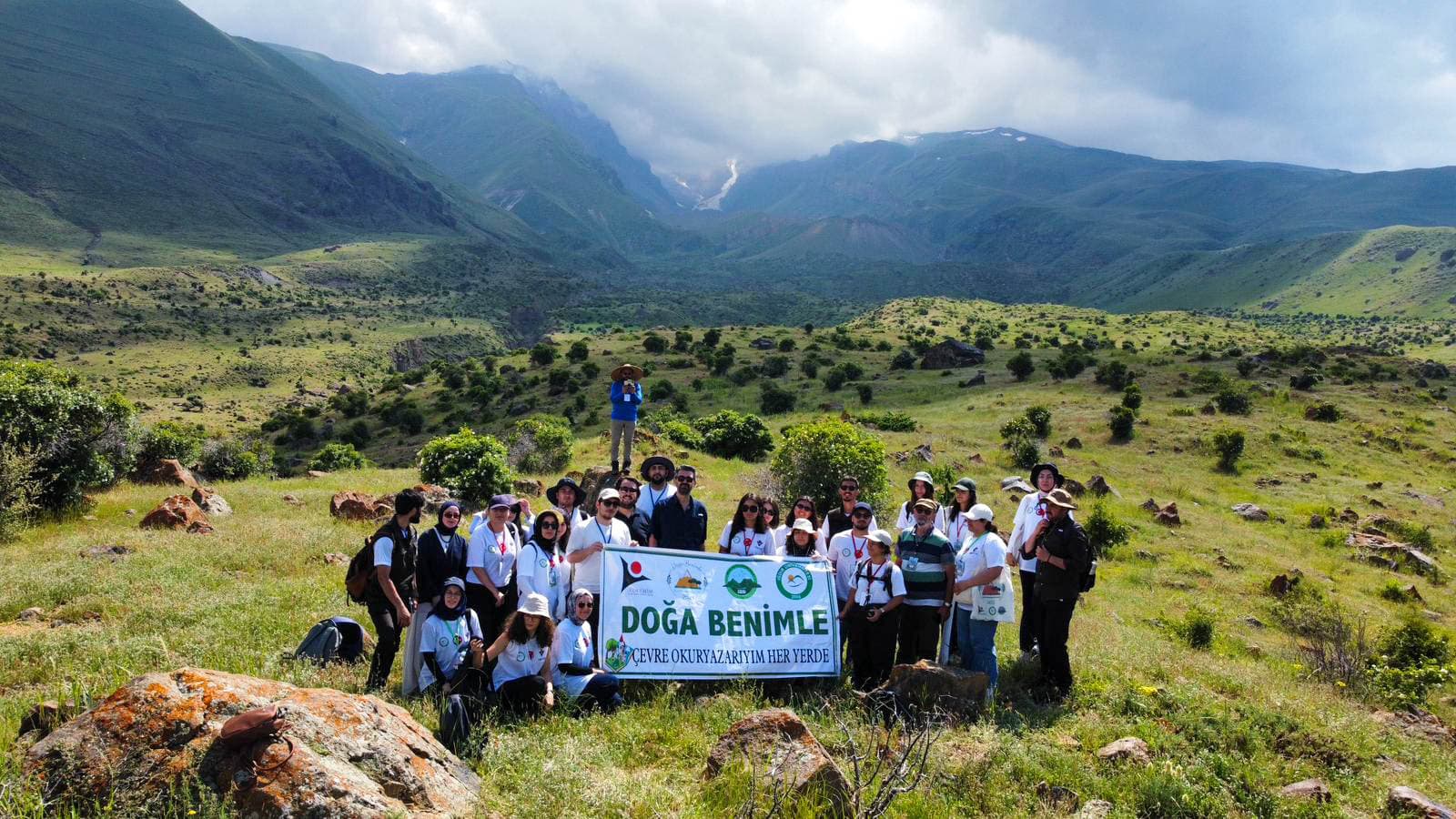
When I returned to Ankara, my suitcase held a few local products, hundreds of photographs and a recovered wallet. But those were not what I really brought back. Now I can no longer simply look at a place and move on. I wonder why a stream flows exactly there, how a valley was formed, why a tree grows at that precise spot, why people chose that particular settlement. I think this project taught me to ask the right questions rather than to find answers. And I suspect that is exactly where the first step towards becoming a good landscape architect begins.
read on
Related stories
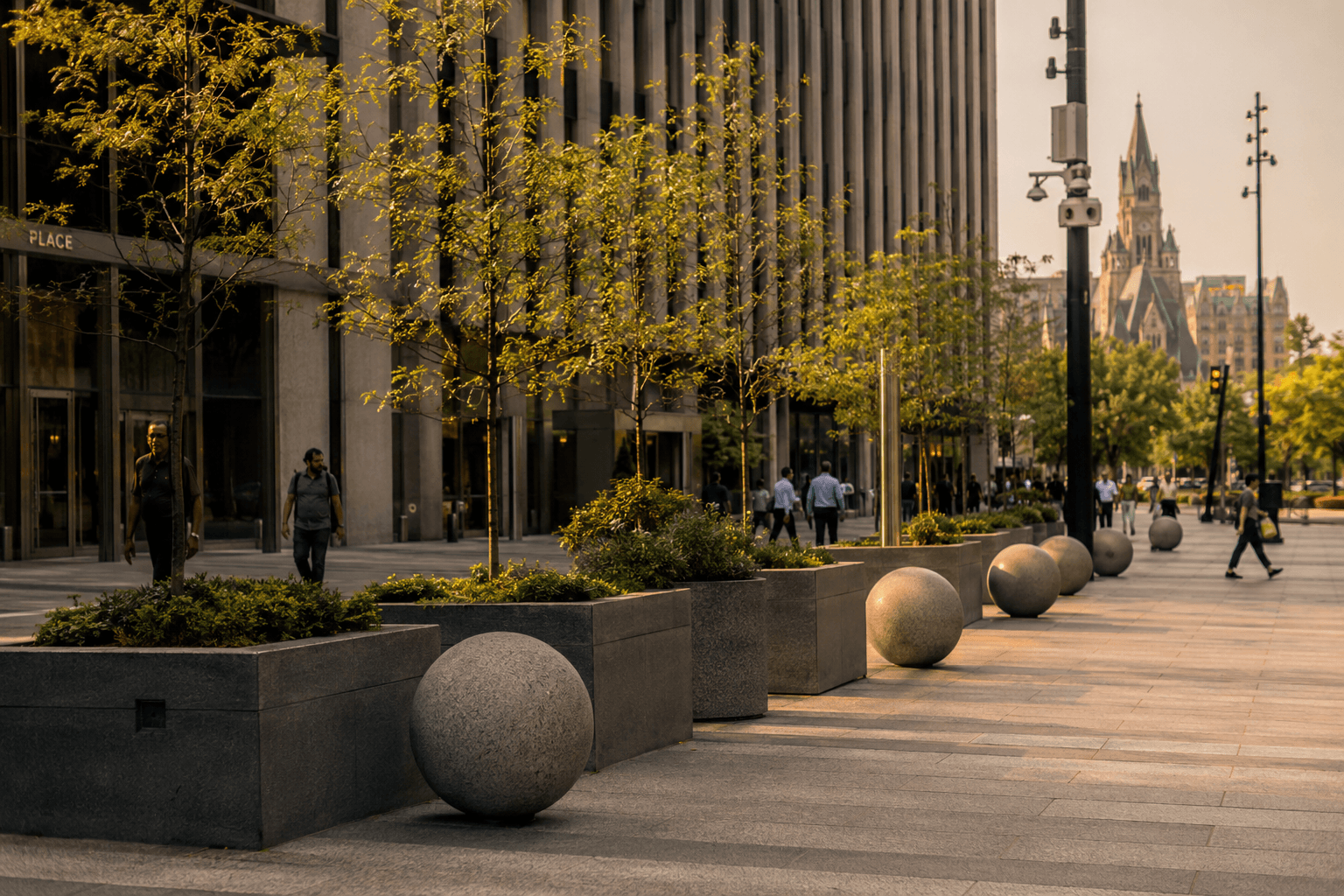
Landscape Architect Serdar Kaleli on Designing Security: "The Invisible Power of Landscape Beyond High Walls"
Is security merely about high walls and barricades? Plant buffers, grade changes, and the concept of invisible protective landscape explored in full detail in peyzajMAG!
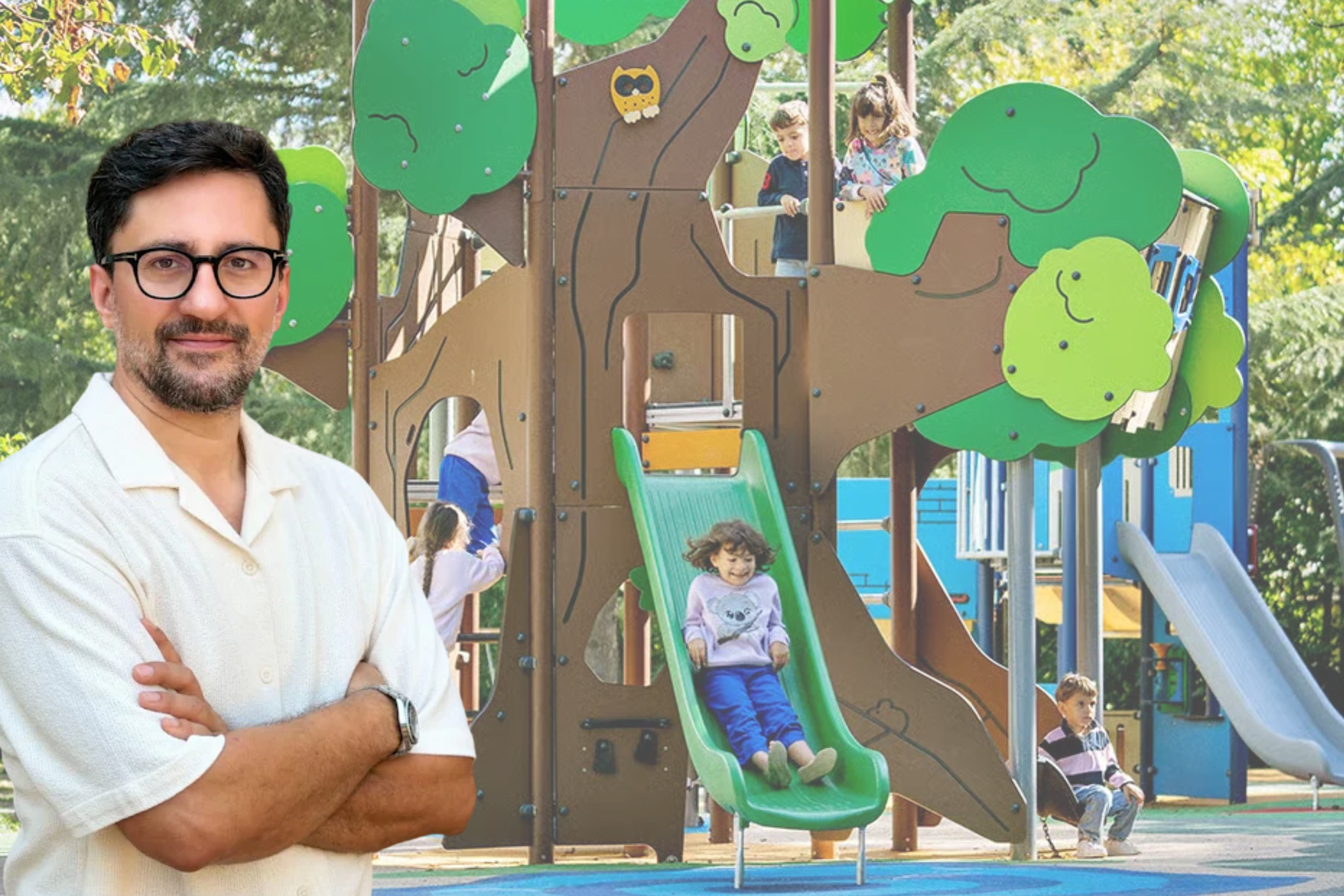
Conversation with Şamil Kumuk About Making Space for Play in Cities: The Future of Children's Playgrounds
In an insightful interview with Kentglobal Park Founder Şamil Kumuk, peyzajMAG explores the paradigm shift from equipment-centric playgrounds to experiential design, beneficial risk management, and inclusive landscape architecture.
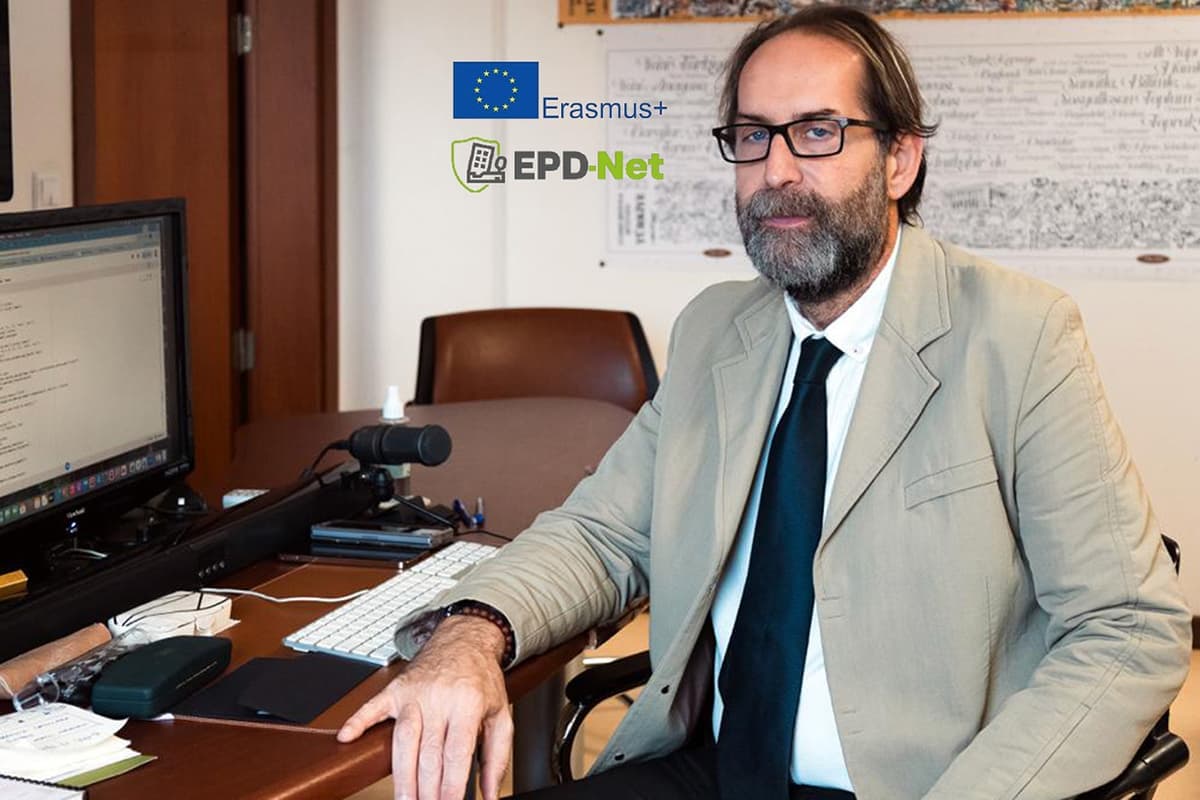
Before Disaster Strikes: EPD-Net and the Responsibility of Landscape by Prof. Dr. Alper Çabuk
Prof. Dr. Alper Çabuk writes for peyzajMAG on disaster-resilient cities and the vital role of landscape architecture, focusing on the EPD-Net project.
Hear about the next issue first
Leave your email and we will write when there is something new. We use it for nothing else.