Landscape Architect Serdar Kaleli on Designing Security: "The Invisible Power of Landscape Beyond High Walls"
Is security merely about high walls and barricades? Plant buffers, grade changes, and the concept of invisible protective landscape explored in full detail in peyzajMAG!
This story was originally published in Turkish. Read in Turkish
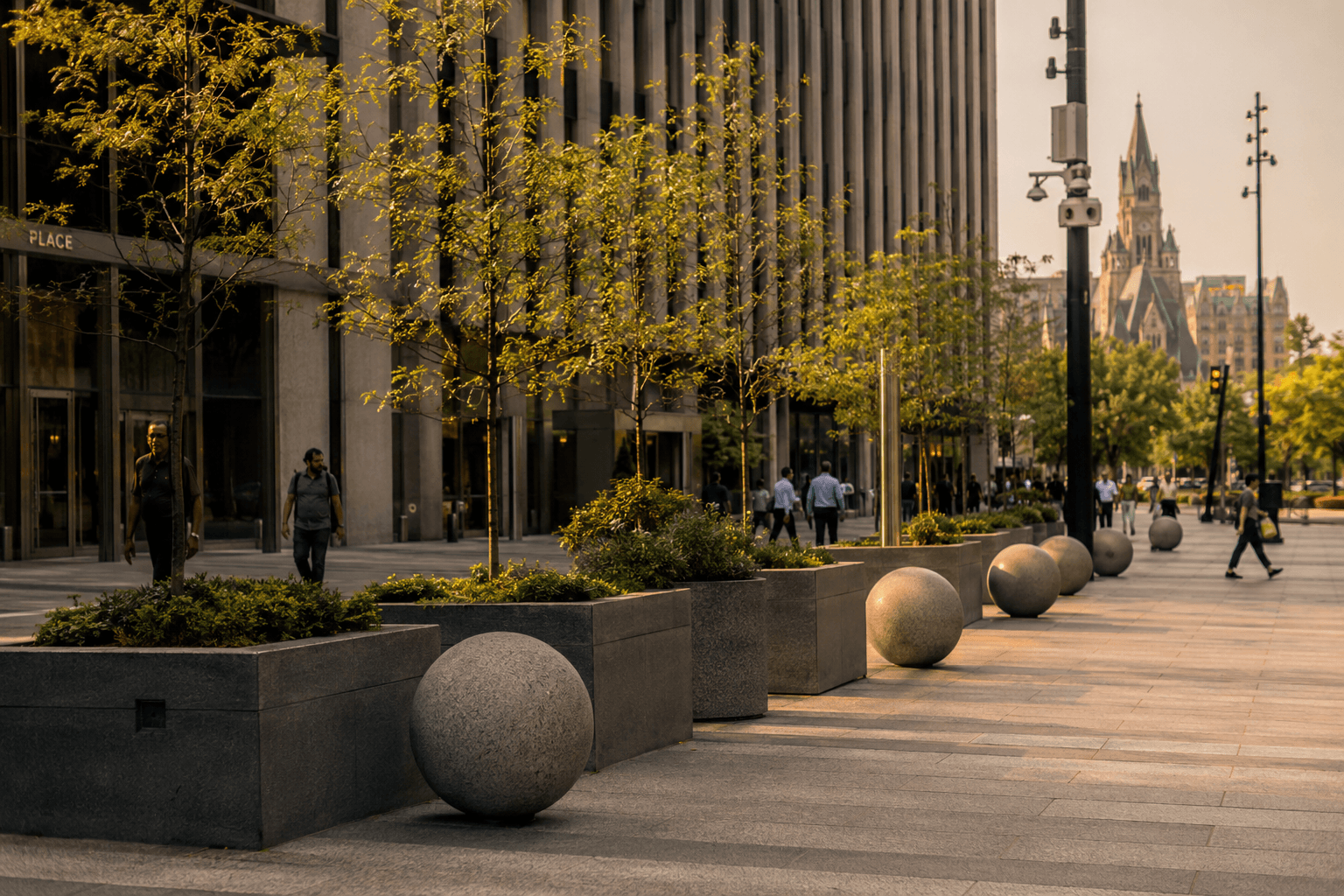
Cameras and barriers are the visible face of security. Its invisible face is formed by a tree planted in the right place, a well-laid walking axis and a cluster of plants that does not block eye level. Can landscape architecture create a security system that protects people without them even noticing?
When we think of security, the same things tend to come to mind: high walls, cameras, wire fences, barriers, turnstiles and guards standing watch at the door. All of them aim to keep danger at bay; we might call them the visible face of security. Yet there is another security system, one we live inside but are mostly not even aware of: landscape.
Think of the square you cross on your way to work in the morning, the park where you spend your weekends, the schoolyard where you drop off your child. We assume that the peace of mind these places give us is solely the work of cameras or security personnel. But decisions such as a few well-placed trees, a footpath that carries you from one point to another without you noticing, low plant groupings whose density is calibrated to define boundaries without blocking eye level, and a square layout that prevents vehicles from speeding come together to form an unobtrusive security system. And they do so without making the space unsightly; on the contrary, they make it more livable and inviting.
We look at those huge planters in front of embassies, think "how stylish," and walk on. We assume the large boulders at the entrances of public buildings are mere decoration. In fact, many of these elements are there to stop a fast-approaching vehicle. Security and aesthetics very often serve the same purpose.
This approach even has a name: Crime Prevention Through Environmental Design (CPTED). CPTED is a discipline introduced by C. Ray Jeffery in 1971 that developed by drawing on Jane Jacobs's idea of "Eyes on the Street" and Oscar Newman's concept of "Defensible Space." At its core lies a simple premise: people behave according to where they are. If you shape the space correctly, you can suppress risk before it even arises.
This is exactly where landscape architecture takes the stage. Landscape architecture is not merely about choosing plants or creating gardens that are pleasing to the eye; it is a discipline that guides how people behave, determines who can see what, organizes vehicles and pedestrians at the same time, quietly erects a barrier when needed, and does all of this without the user ever noticing. When we feel at ease somewhere, it never occurs to us that behind it lies a design someone spent hours thinking through. And that is precisely what a good landscape project aims for.
The security fabric of a place should begin to take shape as soon as the very first decisions are made. Where does the door open, where does the path run, how tall are the plants, are they thorny, where are the benches placed, how is the lighting configured, how do cars turn? Even the location of a cul-de-sac in the neighborhood can change things. All of these determine how people will use a place and how they will behave there.
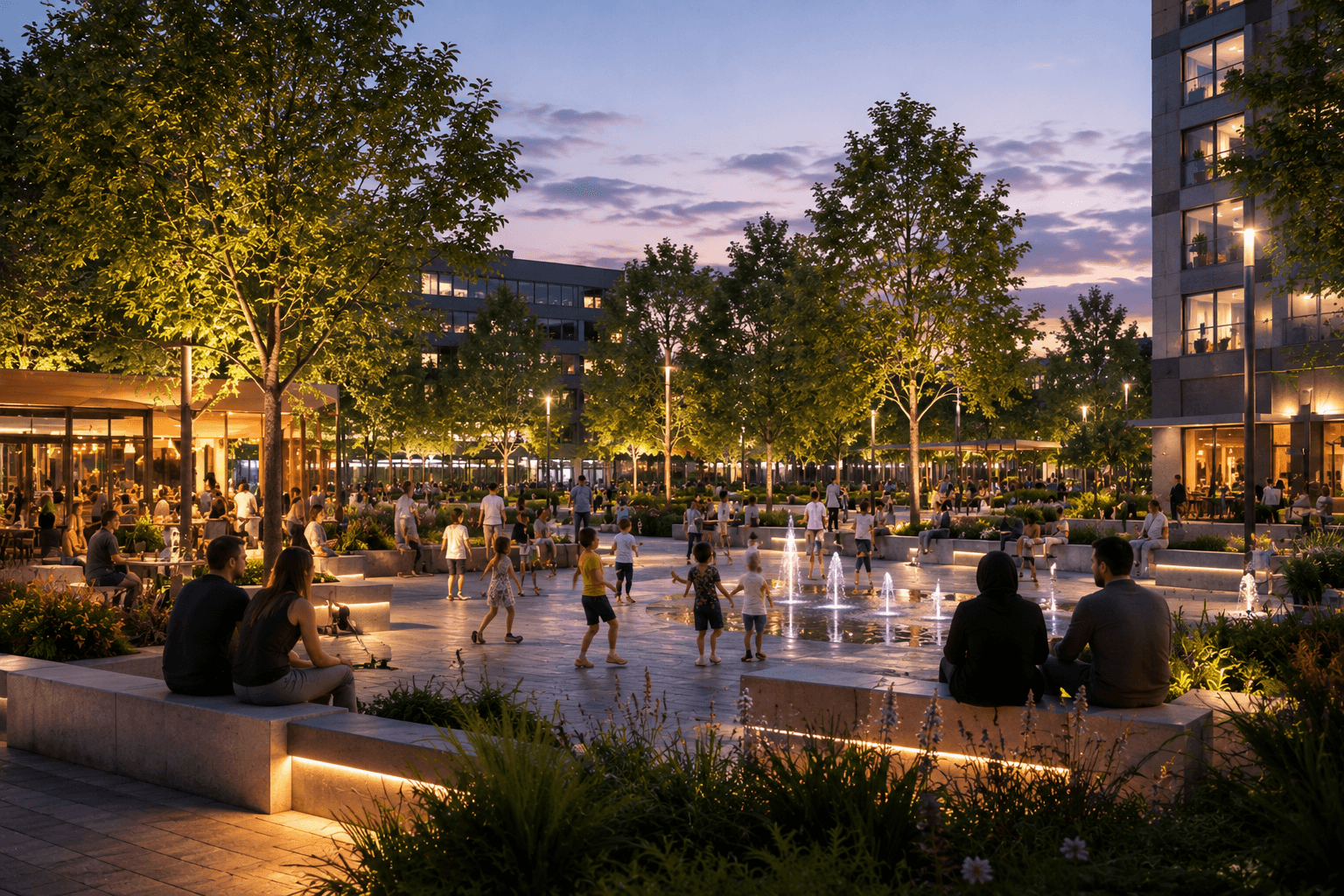
A simple example: walking through a dim park overgrown with shrubs, where you cannot see two steps ahead, you inevitably stay on guard. In a well-lit park with open sightlines, where people can see one another and everyone, young and old, lingers together, you relax. The difference is that the space leads you to feel differently. Design can determine not only where we walk, but also where we stop, which corners we never visit and even how safe we feel. That is why good landscape design emerges not only from a concern for aesthetics, but also from the ability to read people.
In urban spaces, the goal should not be to fill the city with barricades or to tell people "I am watching you," but to create spaces that suppress risk before it emerges while not disturbing their users. Because of where I live, I personally witnessed the security measures taken for the NATO Summit held in Ankara on 7-8 July 2026. As a regular user of that space, when I saw the barricades and the police on duty, instead of feeling safe I felt involuntarily uneasy; I changed my route and avoided going out as much as possible for two days. Yet those security measures were there to protect us. Clearly, making a place safe and making people feel safe are not the same thing. Excessive security can also trigger the opposite reaction in the human psyche. Instead of barricades placed after the fact to restrict passage, the same level of security could have been achieved through detailed planning done much earlier, with landscape elements and a far more inviting appearance. When urban security is addressed, not only law enforcement and electronic systems but also architects, urban planners, landscape architects and other relevant professions should have a seat at the table.
We could give many more examples. The generous landscaping at a hospital's emergency entrance is not there merely to please the eye; it organizes traffic circulation, guides pedestrians and disperses crowds. Placing a children's playground away from heavy traffic, or selecting plants along the edge of a park so that they do not exceed a certain height, are products of the same approach. What they all have in common is this: security is not a label stuck on afterward, but part of the design itself.
The bond between landscape and security is in fact very old. For thousands of years, humans have shaped the places they live not only for shelter but also for protection. When early humans settled in caves, they strove to separate their dwelling from its surroundings. They marked the entrance, cleared the area around it, marked the boundary and declared, "This is ours." These actions, which seem perfectly ordinary today, were the first spatial expression of the need for security. To feel safe, people first defined the place they were in.
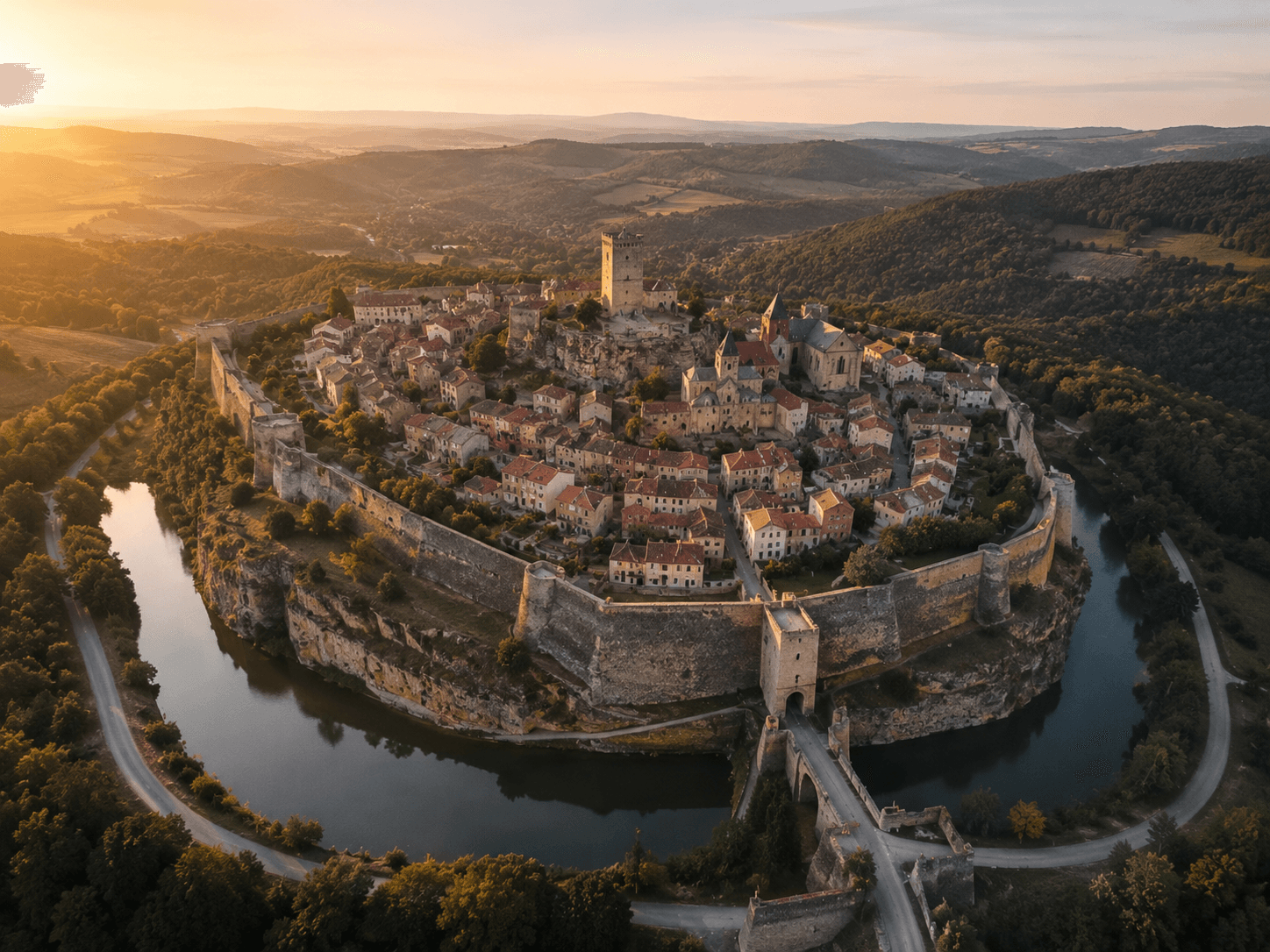
With the transition to settled life, walls were built around cities, natural hills were enlisted in defense, and rivers and moats became shields. The castles and city walls we now view as historical relics were in fact the most advanced security measures of their time. Moreover, they were not merely feats of military engineering. The choice of site, the slope of the land, the flow of the water source and the conditions of the climate were all part of the defense.
It is no coincidence that most medieval cities were built on high hills. Elevation made it easy to survey the surroundings and made the attacker's task more difficult. Even the thought crossing a besieging soldier's mind as he looked up from below, "How on earth are we going to get up to this castle?", gave the defenders a psychological advantage. The same goes for narrow streets, controlled gates and layered lines of defense. These were security moves not only of architecture, but of the city and its landscape.
Over time, the understanding changed. Especially in the 17th and 18th centuries, the city came to be seen no longer merely as a fortress to be protected from attack, but as a place where people could live comfortably. The broad boulevards opened in cities, the lighting of streets and the multiplication of open public spaces called for looking at the issue from an entirely different angle. People now had to discover that they could be safe not only behind a wall, but also in a well-designed square.
Many of the design principles we have today are a continuation of these experiences. The job once done by a moat is now done by a water feature; the function of a thick wall is now served by natural stone, a planted buffer or a change in grade. Materials and approaches have changed, but the goal remains the same: to protect people without lowering their quality of life.
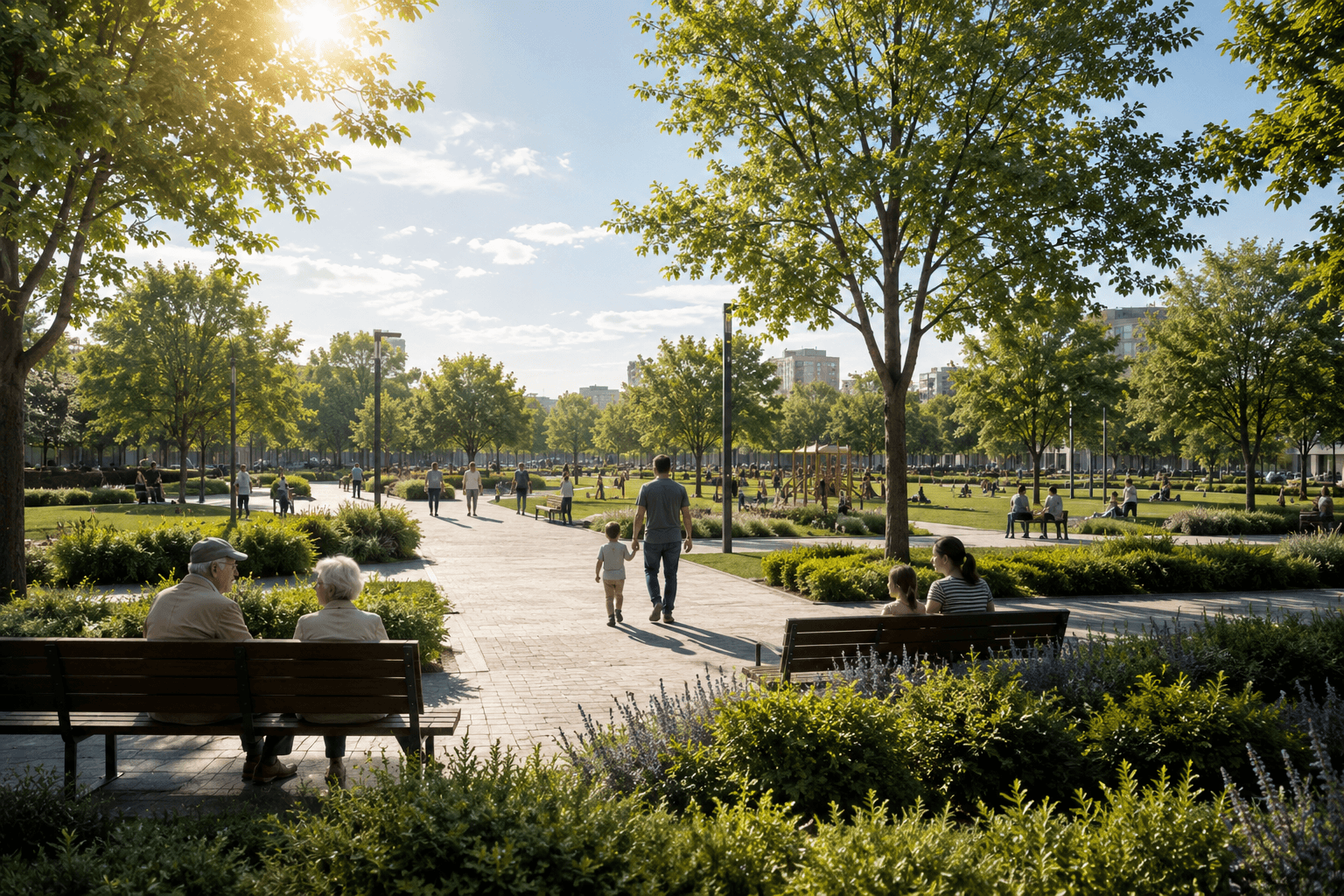
The world is changing rapidly, cities are growing, people live ever more closely intertwined, and climate change makes open spaces more precious by the day. When security concerns are added on top of all this, designing cities becomes an even harder task. It is no longer enough to create a park that merely looks beautiful or a stylish square. The same place is expected to appeal to both children and the elderly, to serve as an assembly area in an earthquake, to handle heavy pedestrian flows, to guide vehicles safely and, when necessary, to help protect an important building. In short, the burden placed on landscape design grows a little heavier every day.
This carries landscape architecture to an entirely new place. The future of the profession is not limited to choosing plants, paving details or compositions pleasing to the eye. Today, we landscape architects are designers who shape the resilience of the city, the safety of its users and the quality of public life.
Moreover, this does not always require big budgets or advanced technology. Sometimes a well-chosen tree, a well-placed bench, a carefully considered walking axis or even a tiny play of levels can be enough for people to use a place more safely. And therein lies the true power of design: getting the job done without showing off.
Perhaps the future of security lies not in pouring more concrete or building higher walls, but in creating spaces that people enjoy being in, use comfortably and naturally embrace as their own. Because people want to protect a place they use and value. Security, more often than not, begins with belonging.
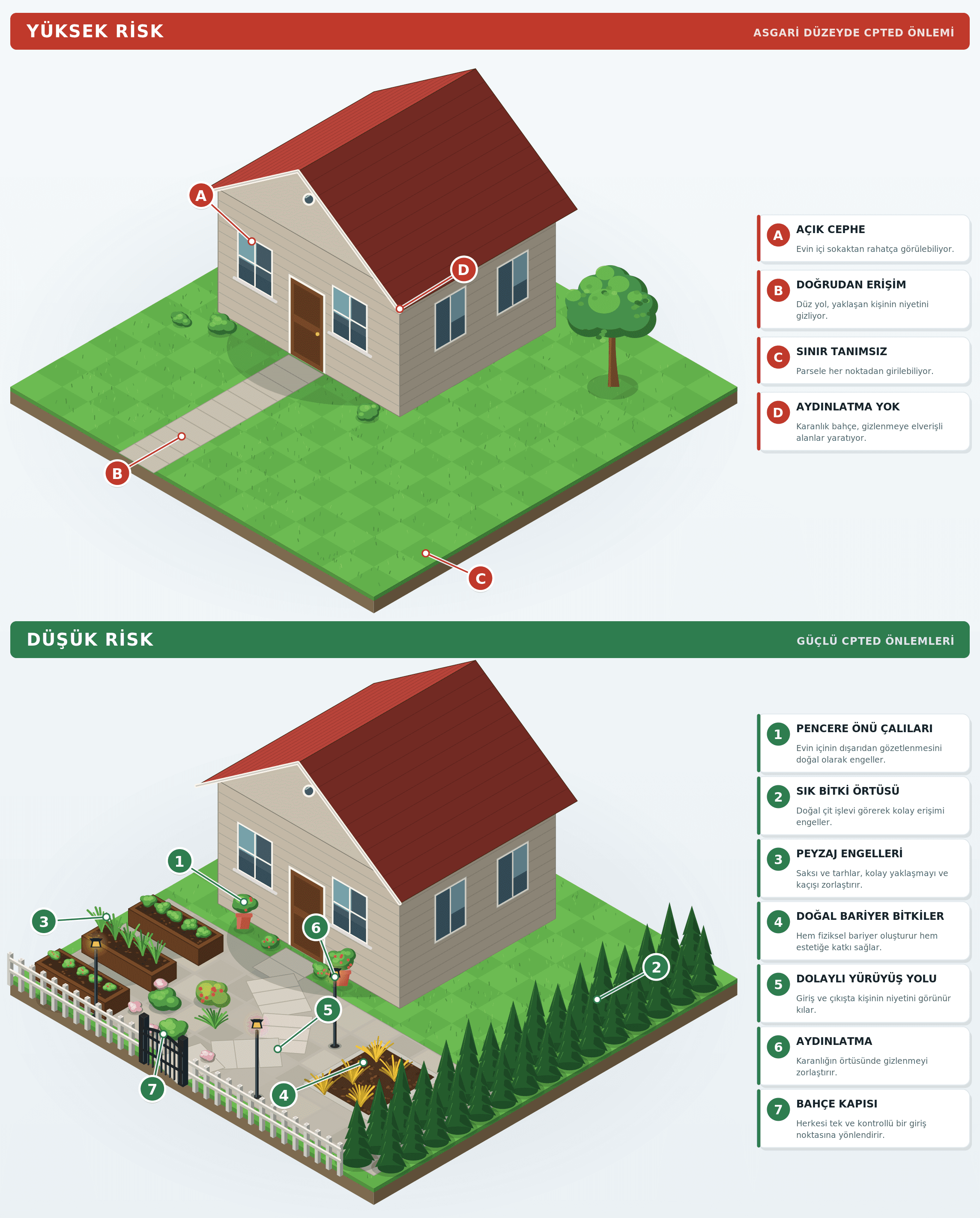
In upcoming issues, I plan to present the CPTED principles to you in more detail and to write short pieces on a few examples. There are some truly striking public buildings and embassy compounds designed with this approach. In those places, security is already at the highest level, yet visitors are not met by a concrete wall; instead, expansive green spaces, water features, planted buffers, changes in grade and designed open spaces come into play. Security is ensured, and at the same time the space welcomes you in. The next time you visit a square, a park, a campus or the surroundings of a public building, do not just look at the flowers, trees and paths. Pay a little attention to these things as well: where is the space nudging you, where do you stop, in which corner do you feel at ease, and why do some places seem safer than others? Until next time…
read on
Related stories
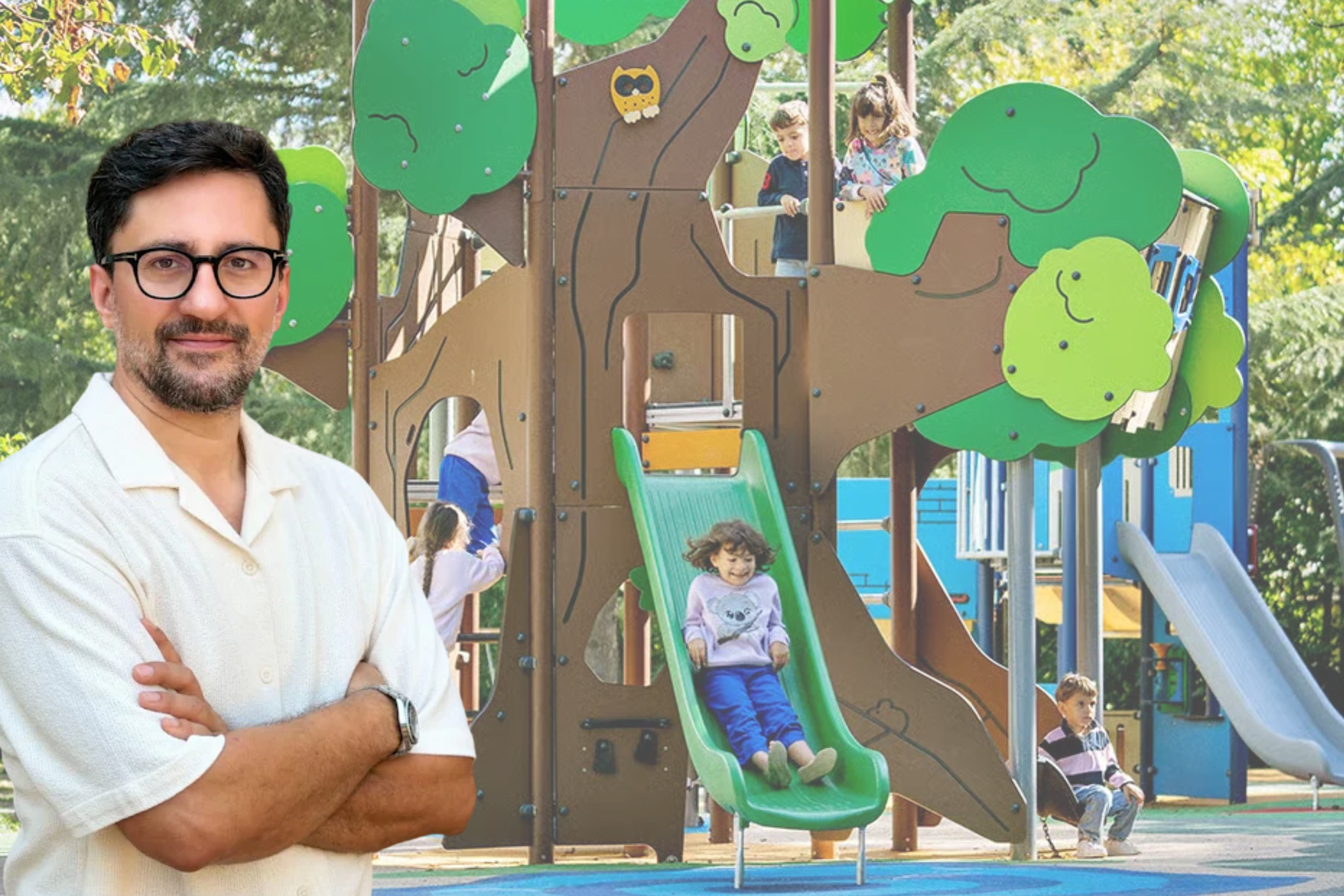
Conversation with Şamil Kumuk About Making Space for Play in Cities: The Future of Children's Playgrounds
In an insightful interview with Kentglobal Park Founder Şamil Kumuk, peyzajMAG explores the paradigm shift from equipment-centric playgrounds to experiential design, beneficial risk management, and inclusive landscape architecture.
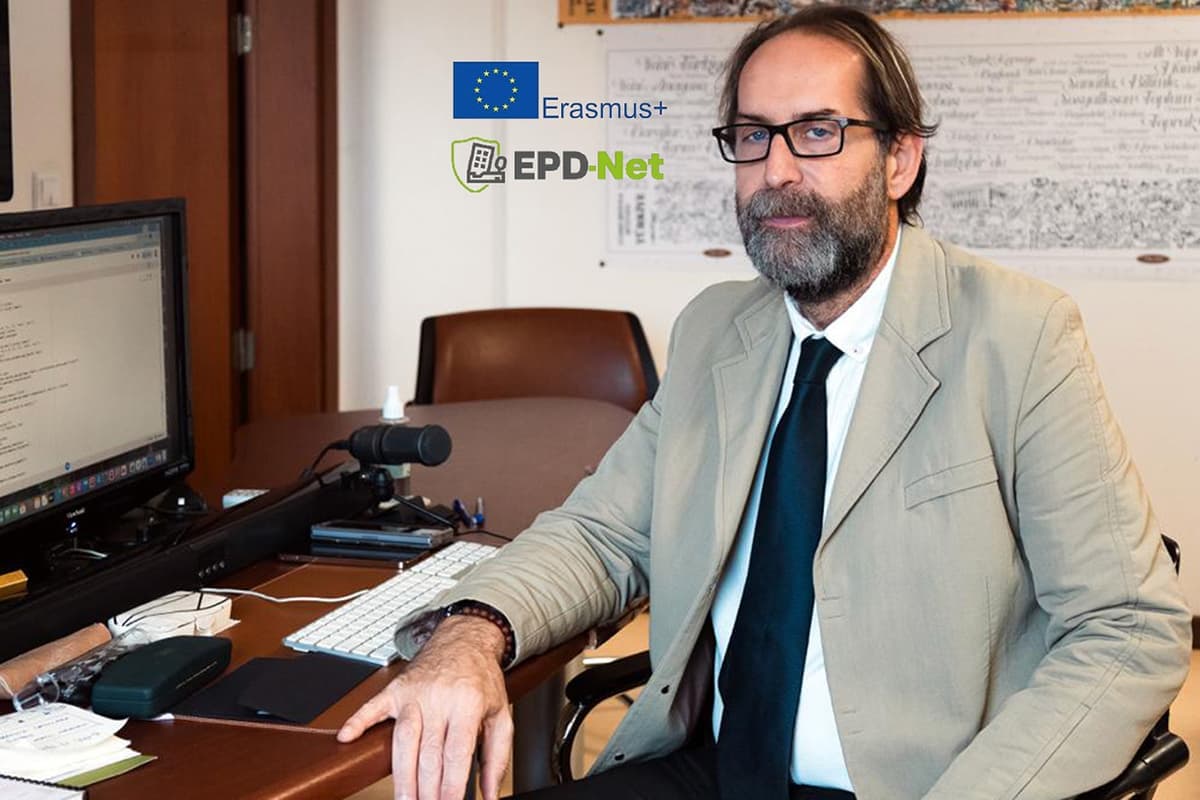
Before Disaster Strikes: EPD-Net and the Responsibility of Landscape by Prof. Dr. Alper Çabuk
Prof. Dr. Alper Çabuk writes for peyzajMAG on disaster-resilient cities and the vital role of landscape architecture, focusing on the EPD-Net project.
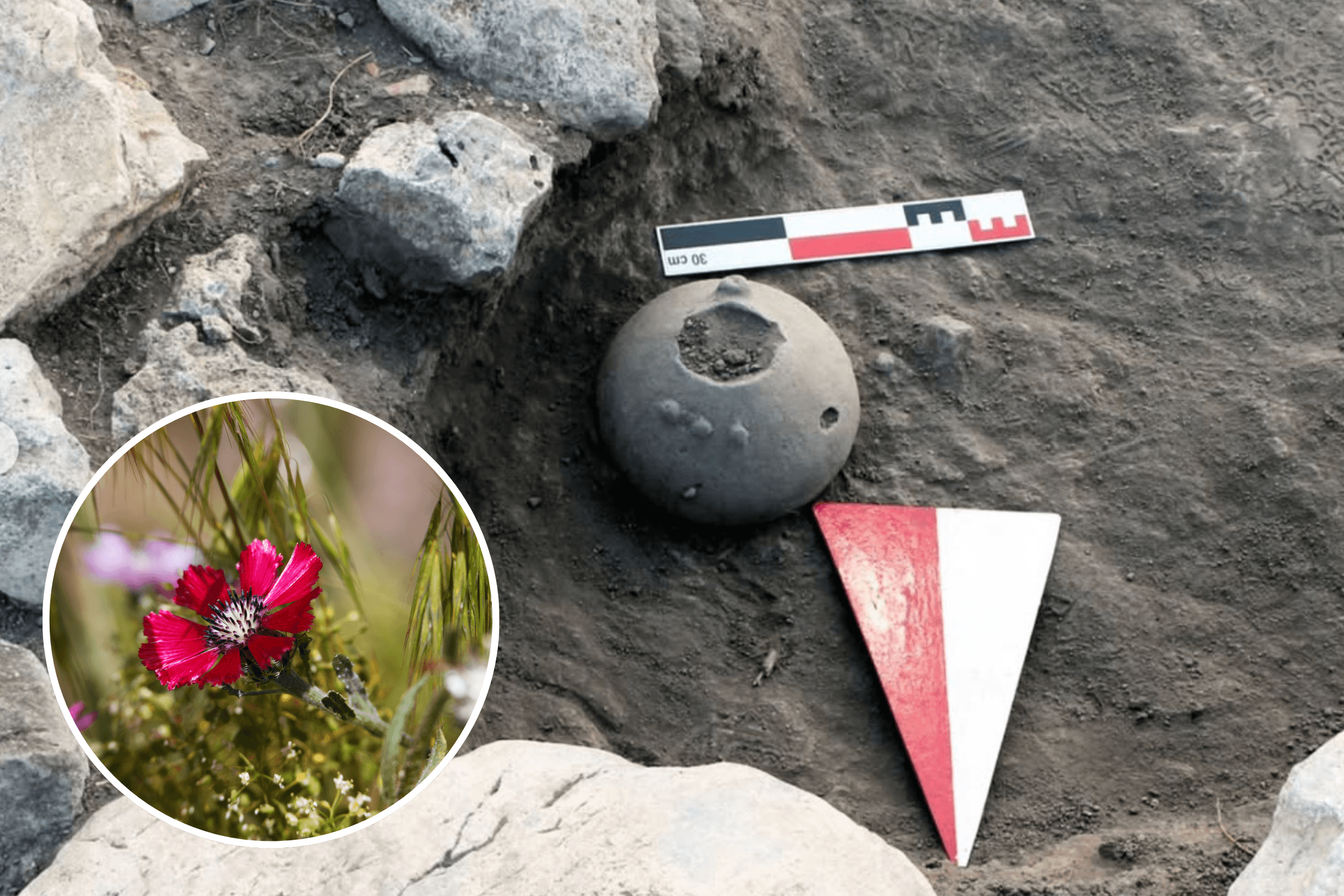
The Red Pearl of Gölbaşı, "Love Flower": A 4,000-Year-Old Hittite Heritage Uncovered!
An extraordinary discovery that will thrill botany and landscape enthusiasts, connecting the roots of nature and history, has come from Ankara. New archaeological findings announced by the Minister of Culture and Tourism, have shed light on the thousands-of-years-old mysterious past of the endemic "Love Flower" (Centaurea tchihatcheffii) growing in Ankara's Gölbaşı district.
Hear about the next issue first
Leave your email and we will write when there is something new. We use it for nothing else.