Conversation with Şamil Kumuk About Making Space for Play in Cities: The Future of Children's Playgrounds
In an insightful interview with Kentglobal Park Founder Şamil Kumuk, peyzajMAG explores the paradigm shift from equipment-centric playgrounds to experiential design, beneficial risk management, and inclusive landscape architecture.
This story was originally published in Turkish. Read in Turkish
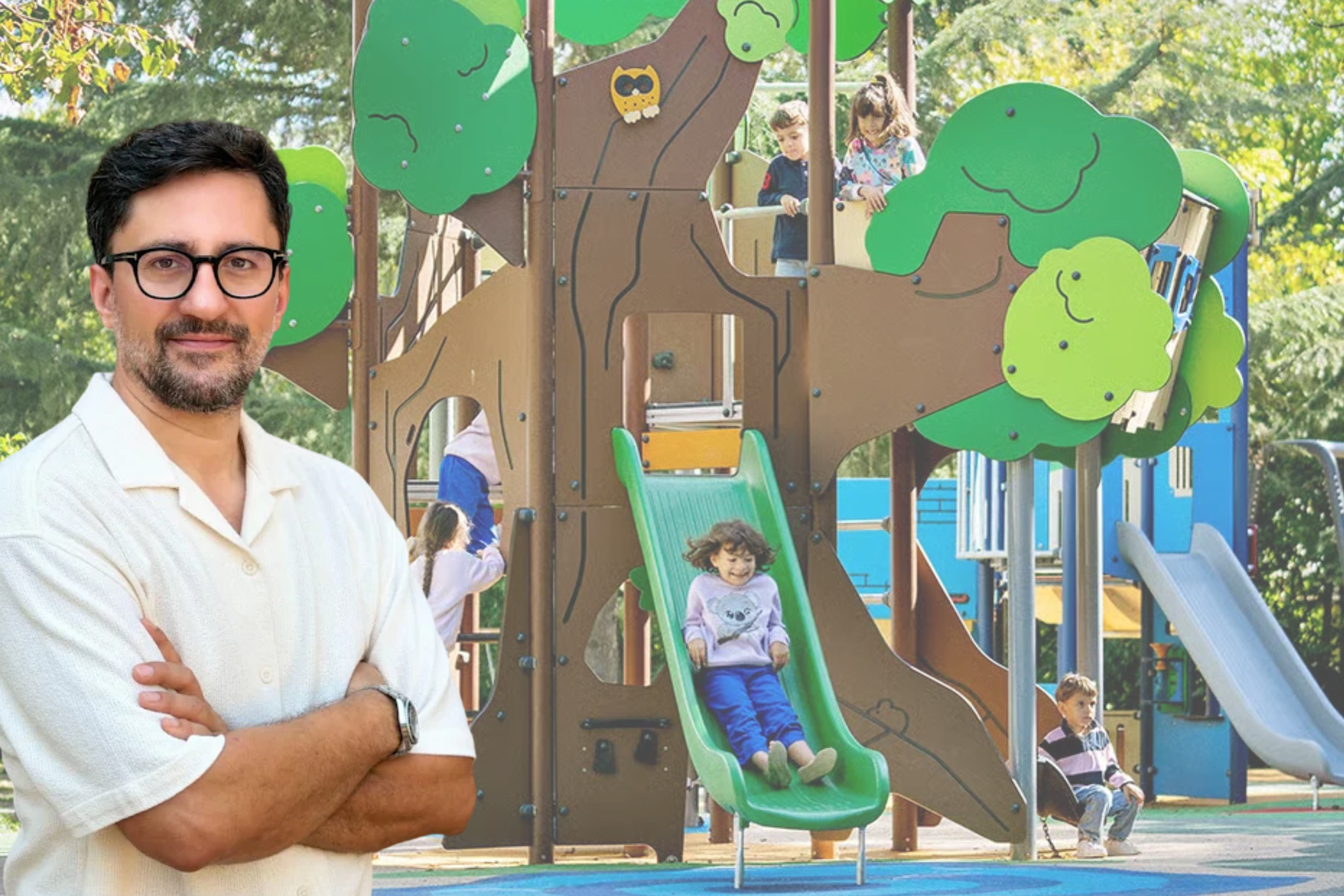
The spaces we design for children are, in truth, a statement of the future we imagine.
Johan Huizinga, in Homo Ludens, published in 1938, argues that play is older even than culture. Play does not belong to humans alone. Young animals run, chase, hide and tussle; they discover their bodies, their limits and their surroundings through play. For human beings, though, play is a great deal more than that.
As a child plays, they get to know their body, take risks, solve problems, imagine and make friends. They compete, share, lose and try again. In a sense, they rehearse life itself.
I have worked on children's playgrounds, parks and public spaces for many years, with manufacturers, designers, landscape architects and local authorities in different countries. Over that time, my view of playgrounds has changed considerably. In the early years we naturally talked about products: swings, slides, towers, climbing systems, materials… Today I believe we need to talk about something far more important: the child's experience.
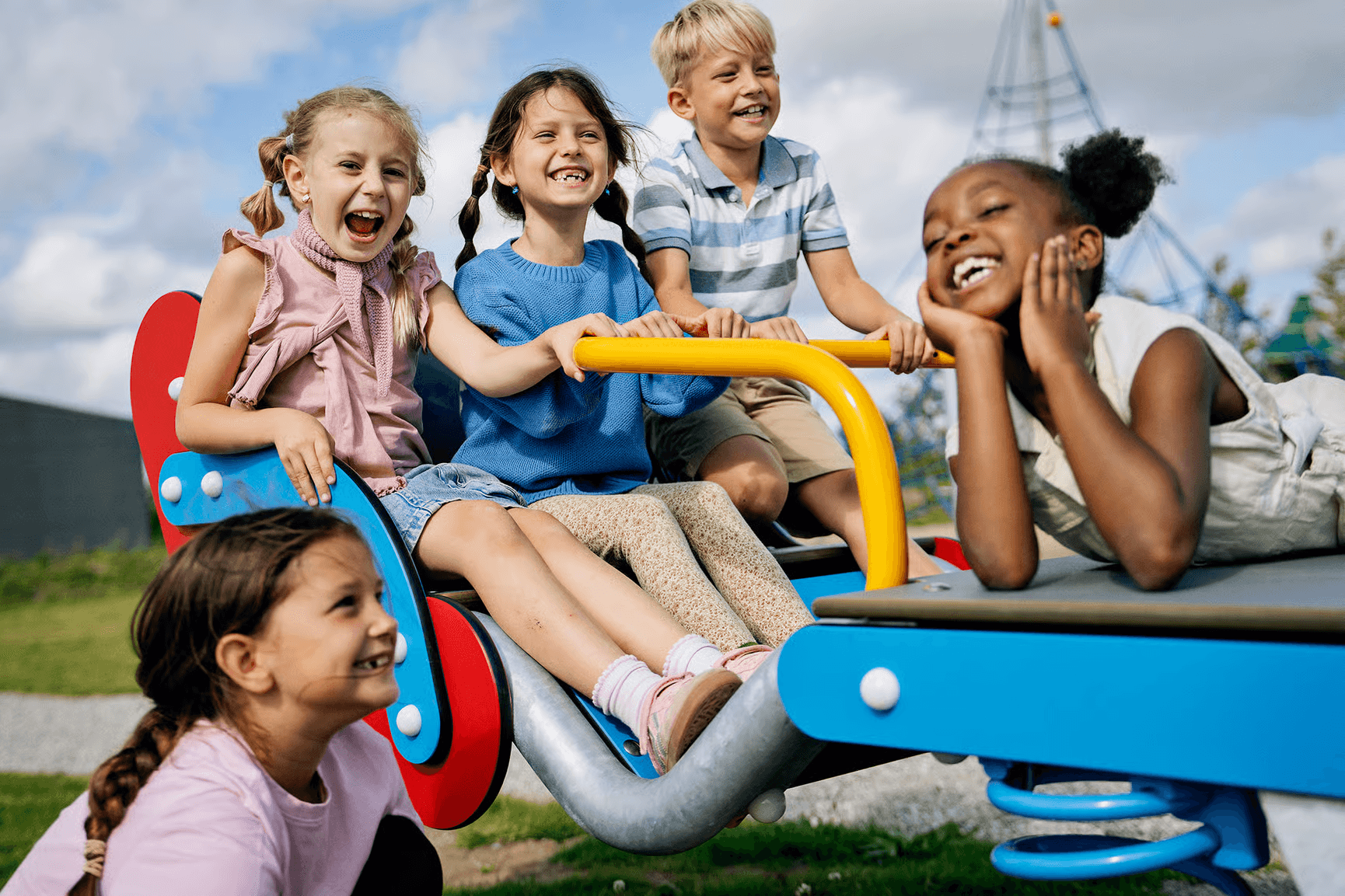
Because the success of a good playground should be measured not by how many play elements it contains, but by how many different experiences it can give a child.
A Playground Is More Than a Piece of Urban Furniture
In urban planning, children's playgrounds were for many years treated merely as “amenity space.” Allocating a certain number of square meters per head of population and then filling that space with a few standard pieces of play equipment was considered sufficient. Today we need to think well beyond that.
A playground is in fact one of a city's most important pieces of social infrastructure. While a child plays there, parents meet one another and neighbors see one another. People from different economic and social backgrounds share the same space. Children encounter children unlike themselves. A playground is therefore a meeting point not only for children but for the neighborhood.
Jane Jacobs, in her study of urban life, describes how one of the essential features of lively, safe cities is that people are present in public space and can see one another. Public spaces where children are present produce exactly that. Where there are children, there are parents. Where there are parents, there is social interaction and natural surveillance. All of this contributes to a strong neighborhood culture. Investment in a playground is therefore an investment not only in children but in the culture of the city.
Playgrounds and Child Development: Accepting the Child as a Genuine User of the City
In 1947 the Dutch architect Aldo van Eyck began designing small playgrounds for children on the empty sites left in Amsterdam after the war. These were not large play parks in today's sense. A sandpit, a few concrete geometric forms, simple metal climbing elements… But behind this approach lay a very powerful idea: rather than creating a separate world for children, cut off from the city, it accepted the child as one of the city's natural and genuine users.
Decades have passed, yet I think we still face the same question: are we going to place children in certain corners of the city, or are we going to make the whole city child-friendly?
UNICEF's Child Friendly Cities approach proceeds from a similar idea. It emphasizes that children's needs, rights and voices should be part of urban planning and of local government decisions. This perspective matters, because a playground is not simply a function within a landscape scheme; it is also a child's right.
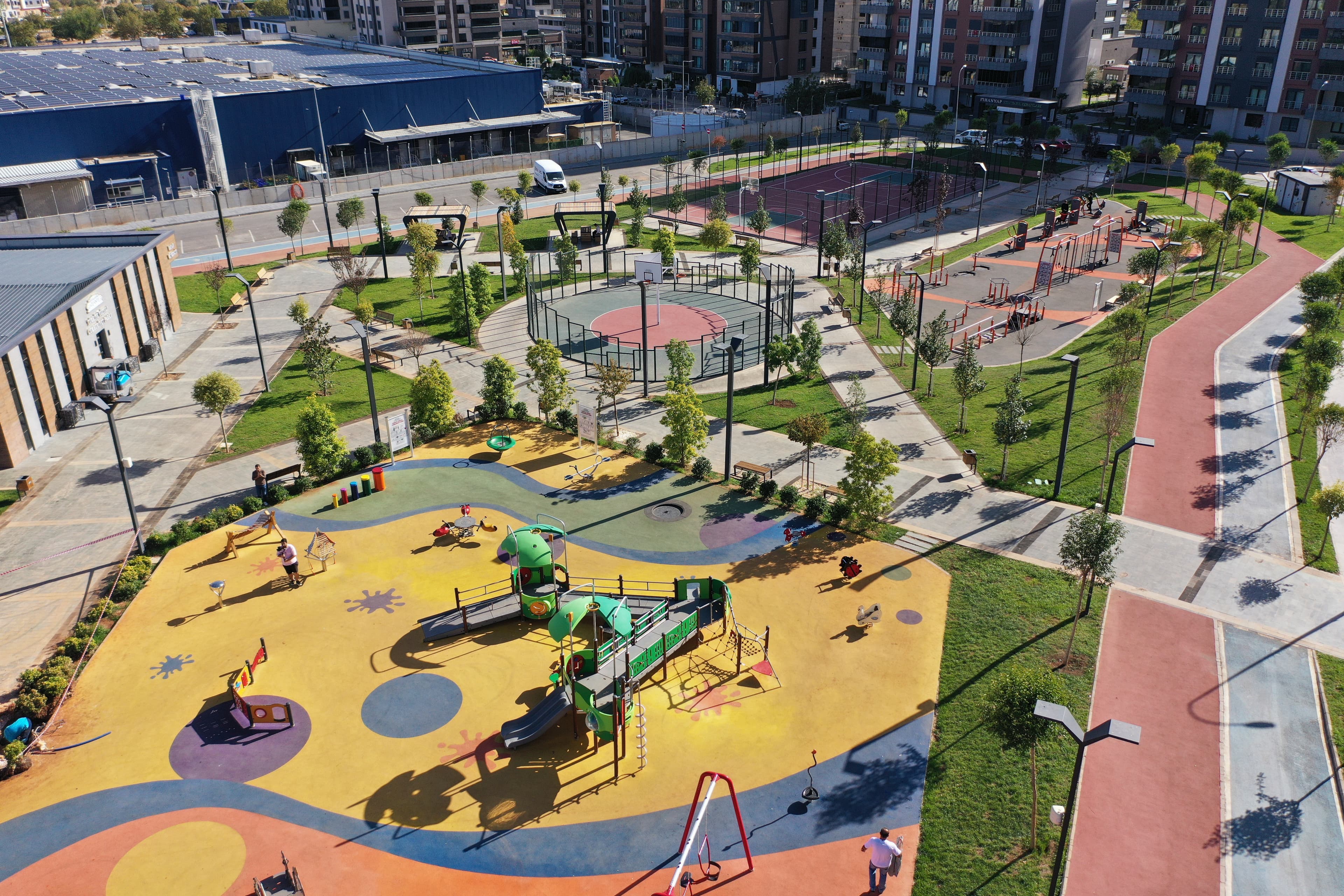
Play Is a Child's Development Laboratory
A child does not learn to walk by reading a book, or to balance by listening to a lesson. Nor can they learn to share, to wait their turn, to lose, to try again and to come to terms with other children through what adults tell them alone. A significant part of all this happens during play.
Research by the KOMPAN Play Institute reminds us of a basic truth: children do not use equipment; they have experiences.
The value of a swing is not the amount of metal in it, but the experience of rhythm and bodily awareness it offers a child.
The value of a climbing element is not its height, but the chance it gives a child to discover their own limits.
Good play design should be led not by the product but by child development.
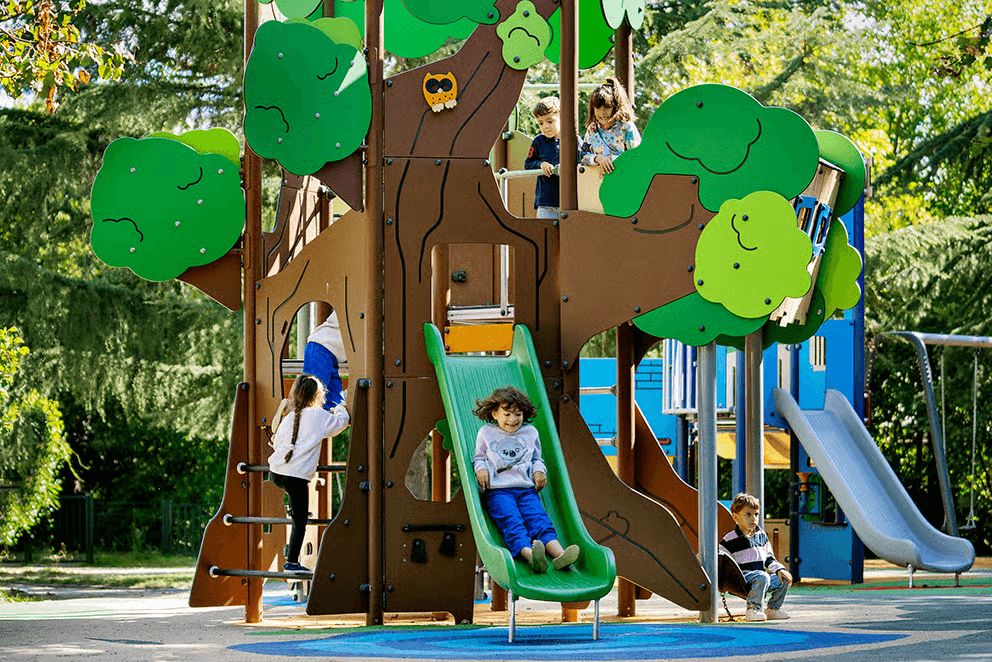
What Are the Criteria for a Good Playground Design?
We need to rethink the measures we use in this sector. Technical questions such as “How many towers? How many slides? How many square meters?” are of course necessary. But the real questions should be these:
Can a child climb here? Can they balance?
Can they hide? Can they build a game with their friends?
Can they find somewhere to be alone?
And most important of all: Do they want to come back tomorrow?
Good play does not give itself away at once. Each visit offers another possibility. Sometimes the rightest thing a designer can do is not to design everything — to leave gaps in which a child can invent their own game.

There Is No Good Play Without Some Risk
Safety is of course indispensable (standards such as EN 1176 for equipment and EN 1177 for impact-absorbing surfacing). But safety and the absence of risk are not the same thing. For a child to develop, they need to meet some difficulty, test their balance and make an effort. The designer's task is not to eliminate risk altogether, but to remove unacceptable hazards while making room for manageable risks appropriate to the child's development. Self-confidence usually grows out of the feeling of “I did it” that follows the question “Can I do it?”
Children's Sensory Needs and Nature
A child does not perceive their surroundings with their eyes alone. They touch, they listen, they feel the warmth of water, the texture of sand, the difference between shade and sun. As Richard Louv describes in Last Child in the Woods, we need to bring nature back into playgrounds.
But using a play structure that looks like wood is not the same as making a natural playground. Nature must be designed as part of the play, not as decoration. Topography should be play. Water should be play. Planting should be play. Shade should be play. This is precisely where the real strength of landscape architecture in play design emerges.
Playgrounds of the Future: Inclusion for Every Child
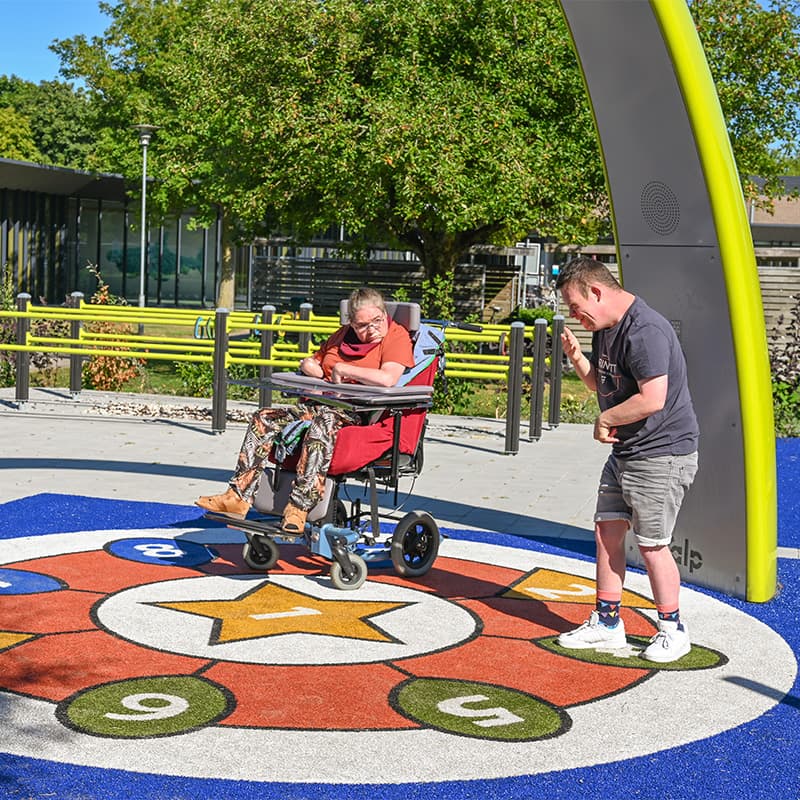
The most important concept in the playgrounds of the future will be “inclusive design.” For many years, accessible playgrounds meant wheelchair ramps. Real inclusion, though, means that children with different physical, cognitive and sensory characteristics can play together.
Placing a separate piece of play equipment in one corner of the park for a child with a disability is not inclusion. The aim is for different children to be part of the same game. Perhaps the first rehearsal for an inclusive society takes place in the playground.
When Should Collaboration with Landscape Architects Begin?
My answer to that is very clear: at the very beginning.
Once a project is finished, we can place a good play structure in the rectangle set aside for us. But if we work together at the concept stage, we can create a play landscape. We can use the topography, bring existing trees into the play, even turn rainwater into a learning experience. A good playground is not chosen from a catalogue; it is designed together.
Türkiye's Climate Conditions and Sustainability in Playgrounds
Türkiye is a demanding geography for playgrounds. Intense UV and salinity on the Mediterranean, high humidity on the Black Sea coast, and harsh freeze–thaw cycles in Eastern Anatolia all directly affect the choice of materials.
On sustainability I have one basic principle: the most sustainable product is the one you do not have to replace for many years. Measuring sustainability by recycled material content alone is incomplete; a product's lifespan and repairability matter at least as much as its raw material.
The Difference Between Design Approaches in Türkiye and Abroad
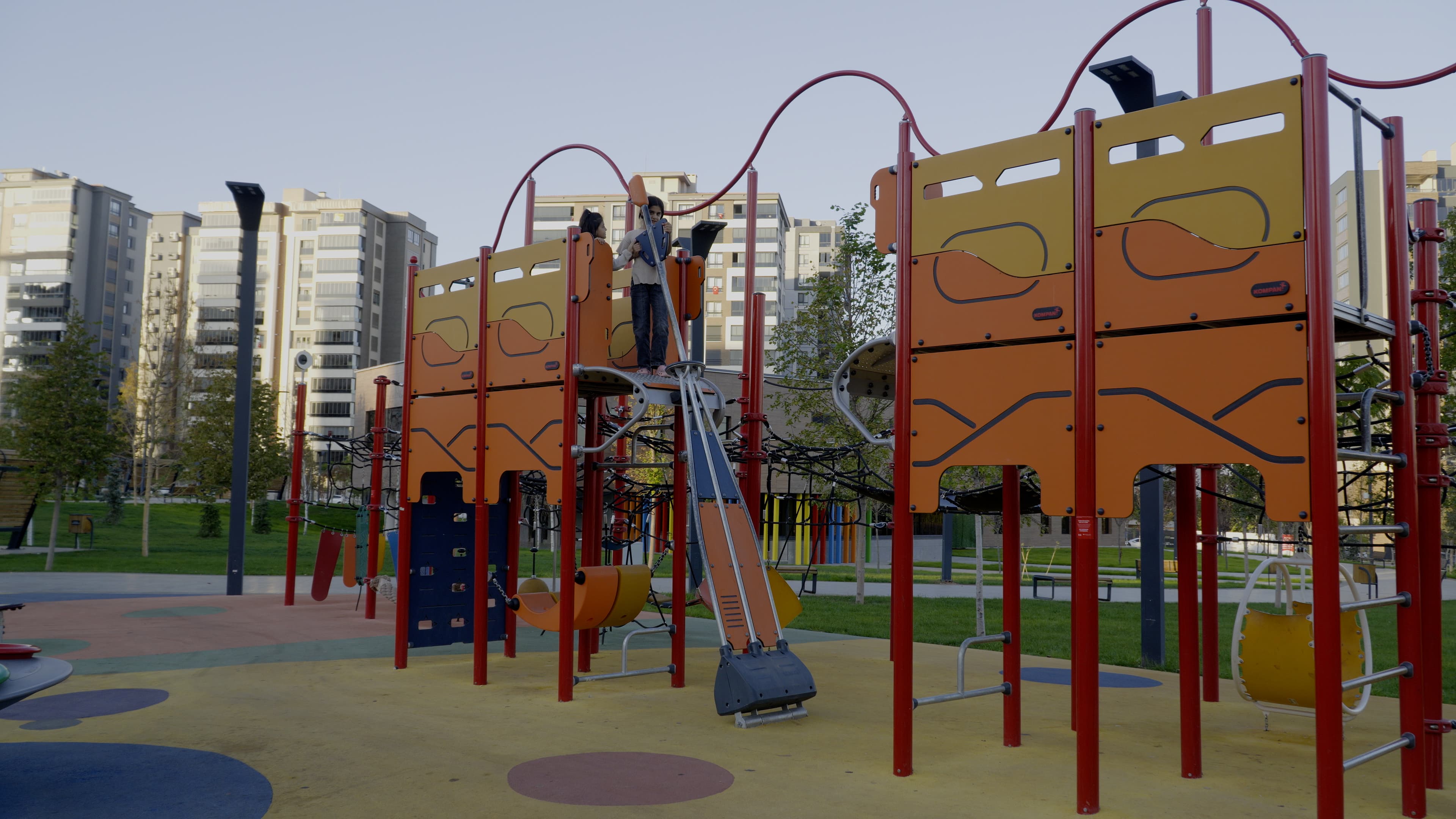
In the best examples around the world, the design process does not begin with the question “Which play structure shall we use?” The conversation starts with the user, the neighborhood, the topography, inclusion and climate. A play scenario is then developed, and the product follows from it.
It is valuable to see this approach steadily gaining ground in Türkiye as well. Landscape architects now ask us not only for products but for ideas, experience and design partnership. That is what will move the sector forward.
Is Technology Play's Rival or Its Ally?
Although there seems to be a natural tension between technology and play, technology used well does not have to be the rival of physical play.
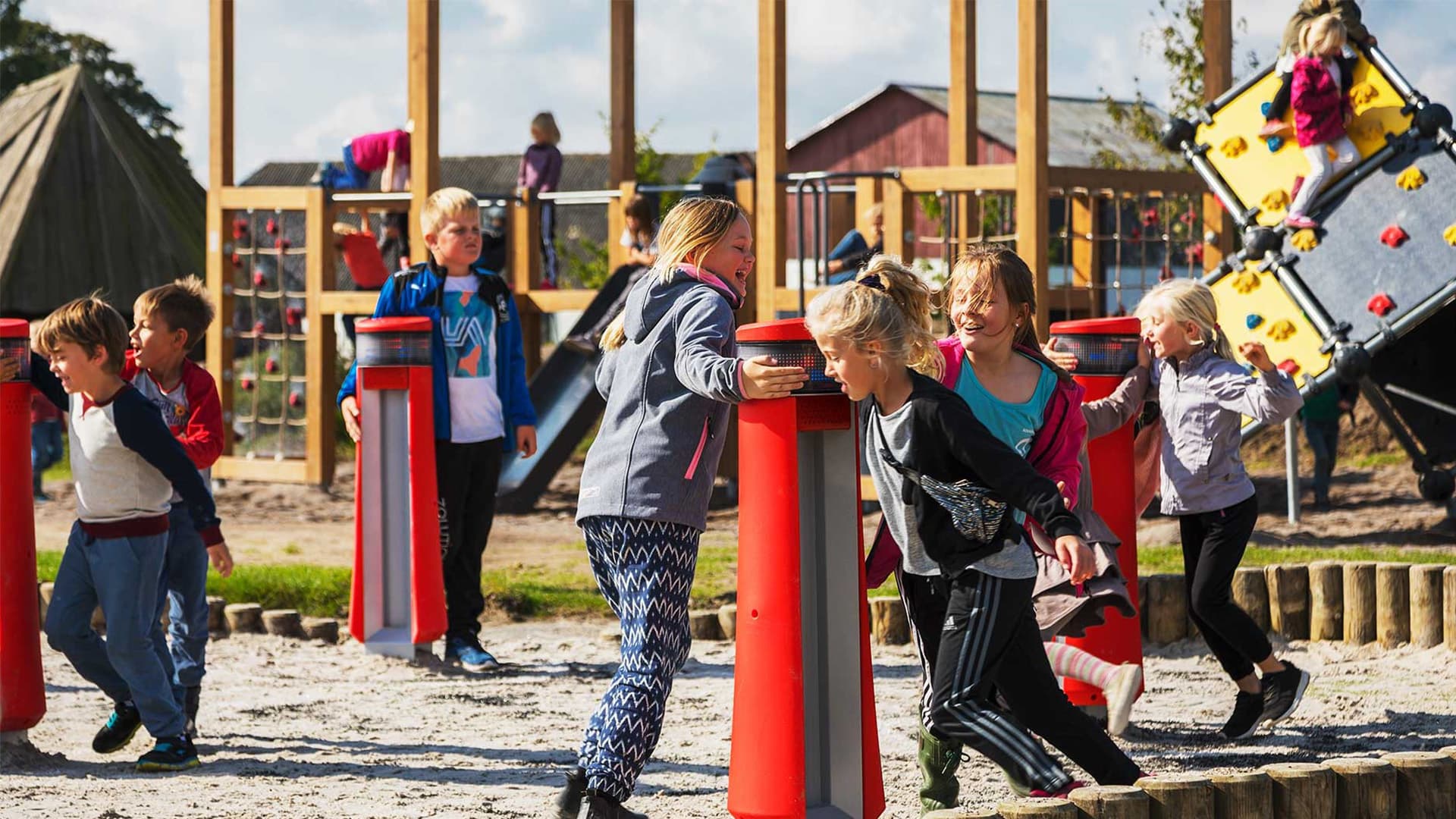
In systems such as Lappset Interactive, for example, technology encourages children to move outdoors rather than leaving them motionless in front of a screen. With systems that sense movement and respond with light and sound, children run, compete and build games together. If technology gets children moving and brings them into social play, it is extremely valuable.
Looking Ahead: Designing the Conditions for Play
We do not see ourselves merely as a company that supplies play equipment. With its many different climates, its heavily used public spaces and its varied social structures, Türkiye is a great laboratory. In our projects we no longer ask, “Which play structure can we put here?” We ask: “What will this child experience here?”
We spend months discussing a project and making engineering calculations. Then the gates open, the children arrive, and within minutes they reinterpret in their own way the design we thought about for months. A slide stops being a slide; a bridge becomes a castle. That is the moment I remember: we are not designing the play. We are designing the conditions in which play can happen. The children do the rest.
The finest thing about good design is creating spaces that do not spell everything out — being able to leave a child a little room. A little curiosity, a little challenge, a little nature, a little freedom… The task falling to adults is not to leave them only swings and slides, but to leave them a world they can explore.
@ kentglobalpark
Sources & Further Reading
Johan Huizinga, Homo Ludens: A Study of the Play-Element in Culture.
Jane Jacobs, The Death and Life of Great American Cities.
Richard Louv, Last Child in the Woods.
Aldo van Eyck, Amsterdam playground works, 1947–1978.
UNICEF, Child Friendly Cities Initiative and child-focused urban planning work.
KOMPAN Play Institute; research on inclusive playgrounds, sensory play, play in nature and physical activity.
EN 1176 and EN 1177, the European standards on children's playground equipment and impact-absorbing surfacing.
read on
Related stories
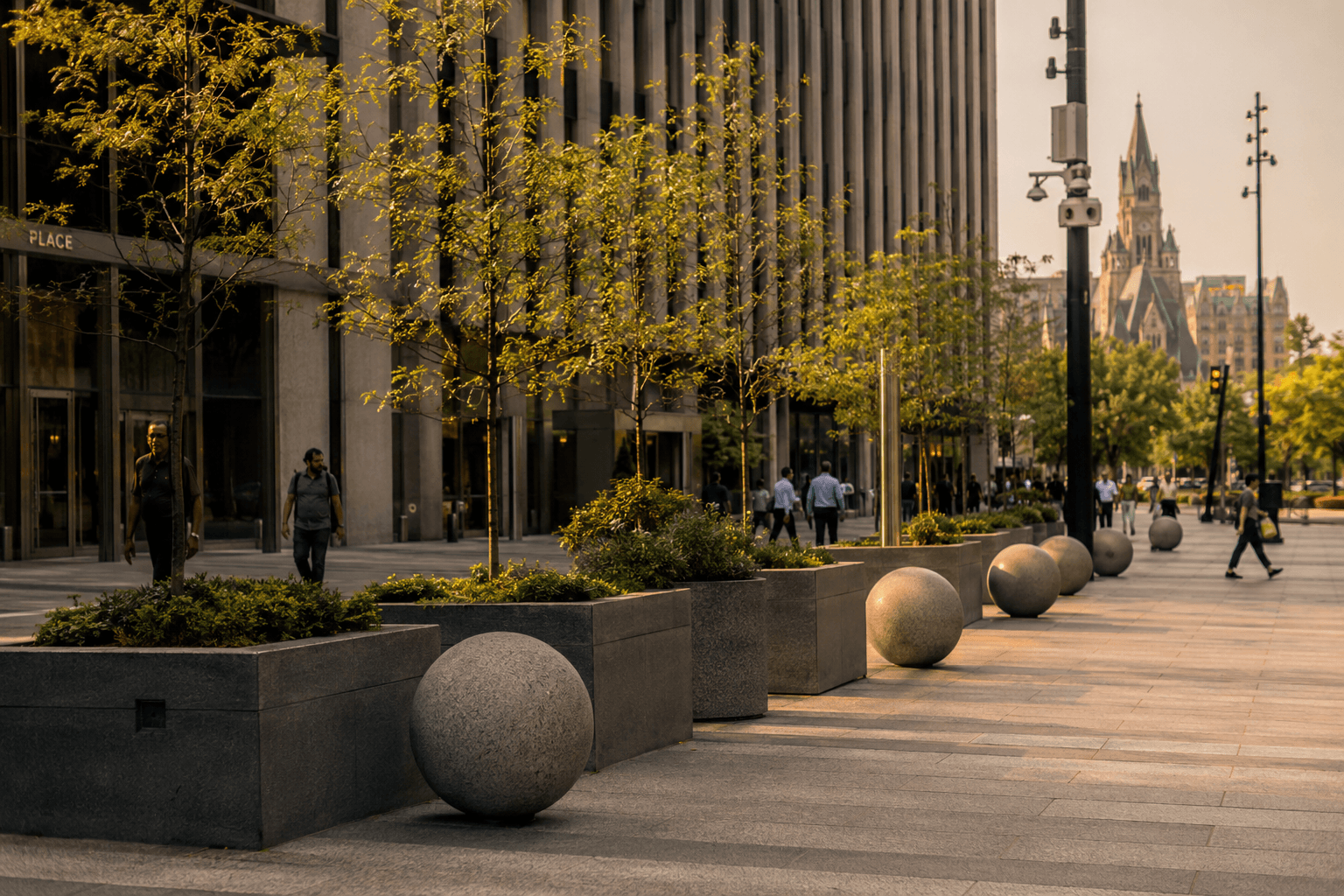
Landscape Architect Serdar Kaleli on Designing Security: "The Invisible Power of Landscape Beyond High Walls"
Is security merely about high walls and barricades? Plant buffers, grade changes, and the concept of invisible protective landscape explored in full detail in peyzajMAG!
Before Disaster Strikes: EPD-Net and the Responsibility of Landscape by Prof. Dr. Alper Çabuk
Prof. Dr. Alper Çabuk writes for peyzajMAG on disaster-resilient cities and the vital role of landscape architecture, focusing on the EPD-Net project.
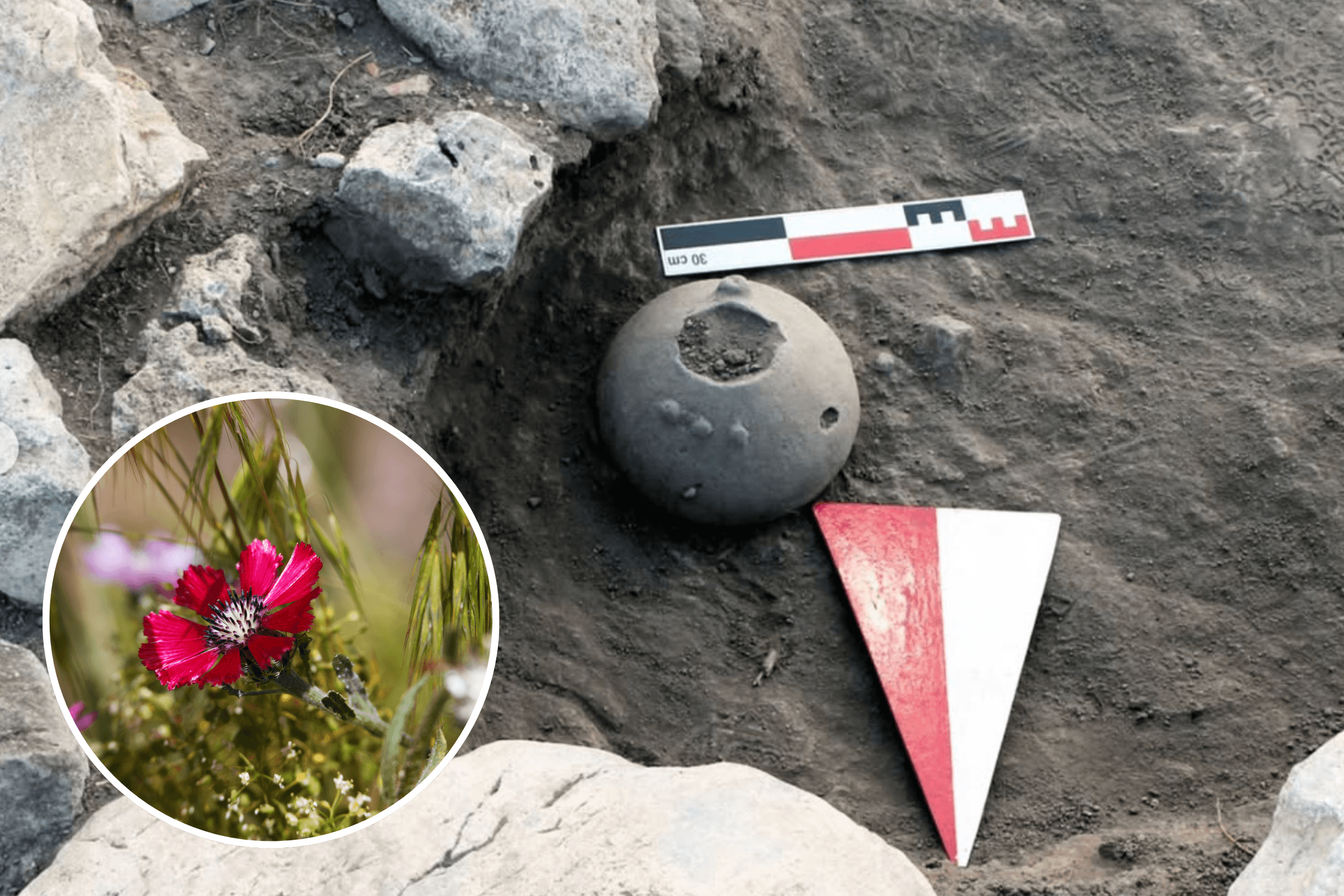
The Red Pearl of Gölbaşı, "Love Flower": A 4,000-Year-Old Hittite Heritage Uncovered!
An extraordinary discovery that will thrill botany and landscape enthusiasts, connecting the roots of nature and history, has come from Ankara. New archaeological findings announced by the Minister of Culture and Tourism, have shed light on the thousands-of-years-old mysterious past of the endemic "Love Flower" (Centaurea tchihatcheffii) growing in Ankara's Gölbaşı district.
Hear about the next issue first
Leave your email and we will write when there is something new. We use it for nothing else.